Refractory materials are essential in various high-temperature industrial processes, and the efficient handling of these powders is crucial for maintaining operational efficiency and safety. This article delves into the world of refractory powder handling equipment, exploring what they are and the underlying design principles that make them effective in industrial applications.

Understanding Refractory Powder Handling Equipment
Refractory powder handling equipment refers to a range of machinery and systems designed to transport, store, and manage refractory powders. These materials, known for their high melting points and thermal stability, are used in industries such as steelmaking, ceramics, and glass production. The equipment is engineered to handle these powders safely and efficiently, minimizing dust generation, preventing material degradation, and ensuring consistent flow rates.
Key Components and Design Considerations
The design of refractory powder handling equipment involves several critical components and considerations. One of the primary components is the hopper or feeder, which is responsible for storing and controlling the flow of the powder. The design of the hopper must account for the material's bulk density, flow characteristics, and potential for caking or agglomeration. To ensure smooth material flow, many systems incorporate vibrators or agitators that help break up clumps and maintain a consistent feed rate.
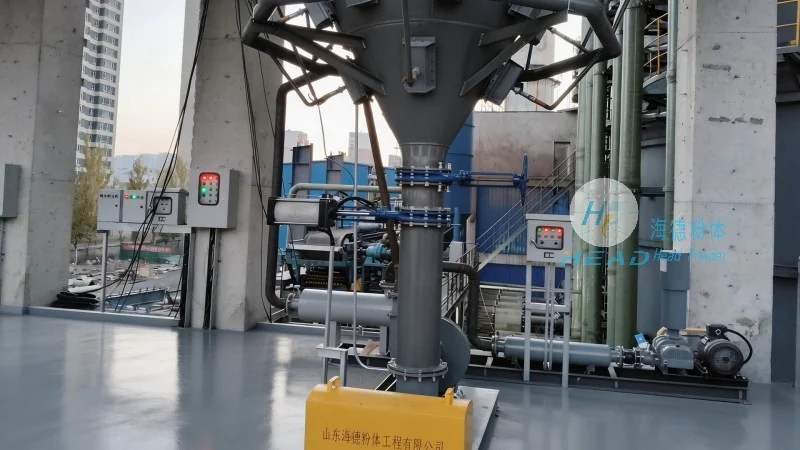
Another essential component is the conveyor system, which can vary from pneumatic conveying lines to mechanical screw conveyors or belt conveyors. Pneumatic conveying is particularly effective for fine powders, as it uses air pressure to transport the material through pipes. The design of the conveying line must consider factors like pressure drop, air velocity, and the size of the particles to prevent blockages and ensure reliable transport. Mechanical conveyors, on the other hand, are often used for bulkier materials and may include screw conveyors or bucket elevators that rely on mechanical motion to move the powder.
Design Principles for Optimal Performance
The design principles behind refractory powder handling equipment are centered on several key objectives: ensuring safety, maximizing efficiency, and maintaining material integrity. Safety is paramount, as refractory powders can be hazardous if not handled properly. Equipment designs often include features like dust collection systems, explosion-proof components, and enclosed structures to minimize exposure risks. Efficiency is achieved through optimized flow rates, reduced downtime, and energy-efficient operation. This involves selecting the right type of conveyor for the material properties and process requirements, as well as implementing controls that adjust the feed rate based on demand.

Material integrity is another critical consideration. Refractory powders are often sensitive to moisture, temperature changes, or mechanical stress, which can affect their performance in high-temperature applications. The equipment must be designed to minimize exposure to these factors. For example, some systems use sealed containers or insulated hoppers to protect the powder from moisture and temperature fluctuations. Additionally, the materials used in the construction of the equipment, such as corrosion-resistant metals or high-strength plastics, are chosen to prevent contamination and ensure long-term durability.

Applications and Industry Impact
Refractory powder handling equipment plays a vital role in the production of refractory products, which are used in a wide range of industrial applications. From the manufacturing of refractory bricks and castables to the processing of raw materials in steel mills, these systems ensure that powders are delivered to the next stage of production in a controlled and efficient manner. The ability to handle these materials reliably and safely contributes to improved productivity, reduced waste, and enhanced product quality in the end-use applications.
About Shandong HeadPowder Engineering Co., Ltd.
Shandong HeadPowder Engineering Co., Ltd., operating under the brand name headpowder, is a leading manufacturer of specialized equipment for powder handling, including refractory powder systems. With a focus on innovation and customer-centric solutions, the company has developed advanced technologies to meet the unique challenges of handling refractory materials. Headpowder's expertise lies in designing equipment that balances performance, safety, and cost-effectiveness, helping industrial clients achieve their operational goals while maintaining the highest standards of material integrity.




