When it comes to transporting manganese sulfate, a critical decision involves selecting the appropriate pneumatic conveying system. The two primary options are positive pressure and negative pressure systems, each with distinct characteristics and applications. Understanding the differences between these systems is essential for optimizing material handling efficiency and ensuring the safety and reliability of the process. This article provides a detailed overview of the key factors to consider when choosing between positive and negative pressure pneumatic conveying for manganese sulfate, along with practical guidance on how to distinguish between the two. As a leading provider of material handling solutions, Shandong HeadPowder Engineering Co., Ltd. specializes in designing and implementing customized pneumatic conveying systems tailored to the unique needs of various industries.

Understanding Pneumatic Conveying Systems
Pneumatic conveying is a method of transporting bulk materials through a pipeline using air or gas as the conveying medium. It is widely used in industries such as chemical processing, food processing, and mining due to its ability to handle a wide range of materials, including powders and granules. The two main types of pneumatic conveying systems are positive pressure and negative pressure systems, which differ in how they generate the necessary pressure differential to move the material.
Differentiating Positive Pressure and Negative Pressure Conveying
Positive pressure conveying systems operate by forcing air or gas into the conveying line at a pressure higher than the ambient air pressure. This creates a pressure differential that propels the material forward. In contrast, negative pressure conveying systems create a vacuum in the conveying line, drawing the material into the system as the air is pulled through the pipeline. The choice between these systems depends on several factors, including the material's properties, the distance to be conveyed, and the required flow rate.

Key Factors to Consider for Manganese Sulfate
For manganese sulfate, which is typically a fine powder, the choice of pneumatic conveying system is influenced by its flowability, dustiness, and potential for caking. Positive pressure systems are generally more suitable for materials that are free-flowing and non-abrasive, as they can handle higher flow rates and longer distances without significant pressure loss. Negative pressure systems, on the other hand, are better suited for materials that are more cohesive or prone to generating dust, as they can minimize dust emissions and reduce the risk of material buildup in the pipeline.
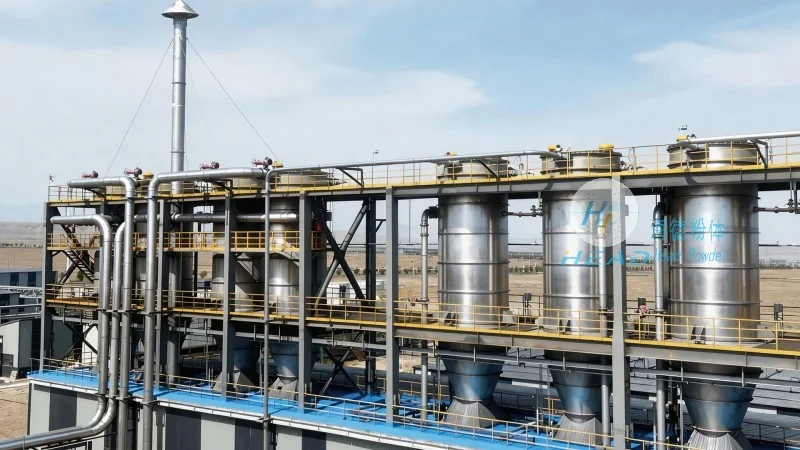
How to Distinguish Between the Two Systems
There are several practical ways to distinguish between positive and negative pressure pneumatic conveying systems. One of the most obvious differences is the presence of a blower or fan in positive pressure systems, which supplies compressed air to the conveying line. In negative pressure systems, a vacuum pump is used to create the necessary vacuum. Another key distinction is the direction of air flow: in positive pressure systems, air flows from the source to the destination, while in negative pressure systems, air is drawn from the destination back to the source. Additionally, the equipment used for material feeding and discharge differs between the two systems. Positive pressure systems often use rotary valves or feeders that push material into the pipeline, whereas negative pressure systems may use suction nozzles or venturi devices to draw material into the system.

Application Examples
Positive pressure conveying is commonly used in applications where manganese sulfate needs to be transported over long distances or through complex piping networks. For example, in a chemical plant, positive pressure systems may be used to transport manganese sulfate from a storage silo to a processing unit located several hundred meters away. Negative pressure conveying, on the other hand, is often used in applications where dust control is a priority, such as in a food processing facility where manganese sulfate is used as a nutrient supplement. In such cases, negative pressure systems can help minimize the release of fine particles into the environment, ensuring compliance with environmental regulations.
Conclusion
Choosing the right pneumatic conveying system for manganese sulfate is a critical decision that impacts operational efficiency, safety, and cost. By understanding the differences between positive and negative pressure systems and considering the specific properties of the material, manufacturers can select the most appropriate system for their needs. Whether opting for positive pressure or negative pressure conveying, it is essential to work with experienced suppliers like Shandong HeadPowder Engineering Co., Ltd. who can provide tailored solutions and support throughout the entire process. With the right system in place, manganese sulfate can be transported safely and efficiently, contributing to the smooth operation of industrial processes.




