Graphite pneumatic conveying systems are critical for efficient material handling in industrial applications, particularly when dealing with materials like graphite that require precise control over flow, pressure, and particle movement. The design and selection of equipment for such systems involve complex calculations and engineering considerations to ensure optimal performance, safety, and cost-effectiveness. This article provides a comprehensive overview of the design calculation processes and equipment selection guidelines for graphite pneumatic conveying systems, tailored to meet the specific needs of industrial operations.

Key Design Considerations for Graphite Pneumatic Conveying
When designing a graphite pneumatic conveying system, several key factors must be evaluated to ensure the system operates efficiently and reliably. These include the physical properties of the graphite material, such as particle size distribution, density, and moisture content, which directly impact the conveying velocity and pressure requirements. The system layout, including the number of conveying lines, vertical and horizontal distances, and the presence of bends or elbows, also plays a crucial role in determining the necessary air flow rates and pressure differentials. Additionally, the choice of conveying method—whether dilute phase, dense phase, or a combination—depends on the specific application requirements, such as the need for gentle handling or high material throughput.
Design Calculation Process for Graphite Pneumatic Conveying
The design calculation process for graphite pneumatic conveying systems typically involves several steps to determine the optimal system parameters. The first step is to characterize the graphite material, including its particle size distribution, bulk density, and flowability. This information is used to calculate the required conveying velocity, which is a critical parameter for preventing particle deposition and ensuring smooth flow. The conveying velocity is often determined based on the material's terminal velocity, adjusted for system losses and pressure drops. Next, the pressure drop along the conveying line is calculated, considering factors like friction losses, acceleration losses, and losses at bends or other components. The pressure drop is essential for determining the required air flow rate and the capacity of the blower or compressor. Finally, the power consumption and system efficiency are evaluated to ensure the design meets operational and economic objectives.

Equipment Selection for Graphite Pneumatic Conveying
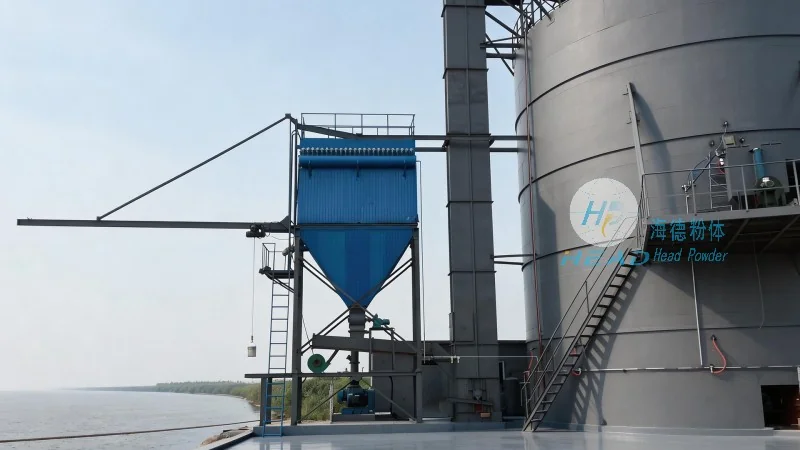
Choosing the appropriate equipment for a graphite pneumatic conveying system is a critical step that directly impacts system performance and longevity. The primary equipment components include the material feeder, which must handle the graphite material without causing blockages or degradation, the air compressor or blower, which provides the necessary pressure and flow, and the conveying line, which may include hoses, pipes, or flexible ducts. For graphite applications, the material feeder is often a rotary valve or a screw feeder, designed to handle fine or abrasive particles. The air compressor is typically a positive displacement type, such as a rotary lobe or screw compressor, capable of delivering the required pressure and flow rates. The conveying line is usually made of materials resistant to graphite abrasion, such as stainless steel or special alloys, to minimize wear and extend service life. Additionally, accessories like filters, cyclones, and dust collectors are essential for maintaining system cleanliness and compliance with environmental regulations.
Company Overview: Shandong HeadPowder Engineering Co., Ltd.
Shandong HeadPowder Engineering Co., Ltd., commonly known as headpowder, is a leading provider of engineering solutions for material handling systems, including graphite pneumatic conveying equipment. With a strong focus on innovation and customer satisfaction, the company specializes in designing and manufacturing customized systems tailored to the unique requirements of industrial clients. Headpowder's team of experienced engineers and technicians leverages advanced design software and rigorous testing protocols to ensure that each system meets the highest standards of performance and reliability. The company's commitment to quality and service has earned it a reputation as a trusted partner in the industry, serving clients across various sectors, including chemical, pharmaceutical, and manufacturing.

Location and Contact Information
Headpowder is headquartered in Shandong, China, with a dedicated facility equipped with state-of-the-art design and manufacturing capabilities. The company's location in Shandong provides easy access to key industrial regions and transportation networks, facilitating efficient delivery and support for clients. While specific contact details are not provided in this article, interested parties are encouraged to reach out to HeadPowder for more information about their graphite pneumatic conveying solutions and engineering services.




