For agricultural operations dealing with manure management, efficient and reliable dry manure powder conveying systems are crucial. This overview provides a detailed look at the structure and operational principles of such systems, highlighting the technology developed by Shandong HeadPowder Engineering Co., Ltd., a leading provider in the field, based in Shandong, China.

Understanding Dry Manure Powder Conveying Systems
Dry manure powder conveying systems are engineered to handle solid organic waste in a dry, powdery state, which is often preferred for processing and transport due to reduced moisture content and improved handling characteristics. These systems typically integrate components such as feed hoppers, conveyor mechanisms, and control units to ensure smooth and continuous operation. The design focuses on minimizing dust generation, optimizing energy efficiency, and maintaining hygiene standards essential for agricultural and waste management applications.
Key Structural Components and Their Functions
The core structure of a dry manure powder conveying system includes several critical components that work in tandem to achieve effective material transport. The feed hopper is the initial stage where raw manure is introduced into the system. It is designed to accommodate bulk material and ensure a consistent flow into the conveyor. Within the hopper, a feeding mechanism, often a screw or rotary valve, regulates the amount of material entering the conveyor, preventing overloading and maintaining steady operation.
Next, the conveyor itself is a central element. Depending on the system design, it may utilize screw conveyors, pneumatic transport systems, or mechanical belt conveyors. Screw conveyors are particularly effective for dry powders as they provide gentle material handling, minimizing breakage and dust. The screw, rotating within a tube, moves the material forward through the system. The design of the screw, including pitch and diameter, is optimized to match the specific characteristics of the manure powder, ensuring efficient transport without excessive energy consumption.
Control units and sensors are integrated to monitor and regulate the system's performance. These components include level sensors to detect material levels in the hopper and conveyor, pressure sensors to monitor air flow in pneumatic systems, and control panels that manage the operation of motors and feeding mechanisms. The control system ensures that the conveying process is automated, reducing the need for manual intervention and enhancing operational reliability.
Operational Principles and Efficiency Factors
The operational principle of dry manure powder conveying revolves around the transfer of material from the feed point to the discharge point through the conveyor system. The process begins with the material being fed into the hopper, where it is then transported by the conveyor mechanism. For screw conveyors, the rotating screw displaces the material forward due to the friction between the screw and the material, as well as the material's interaction with the conveyor tube. This mechanism is highly effective for dry powders, as it maintains the material's integrity and prevents clogging.
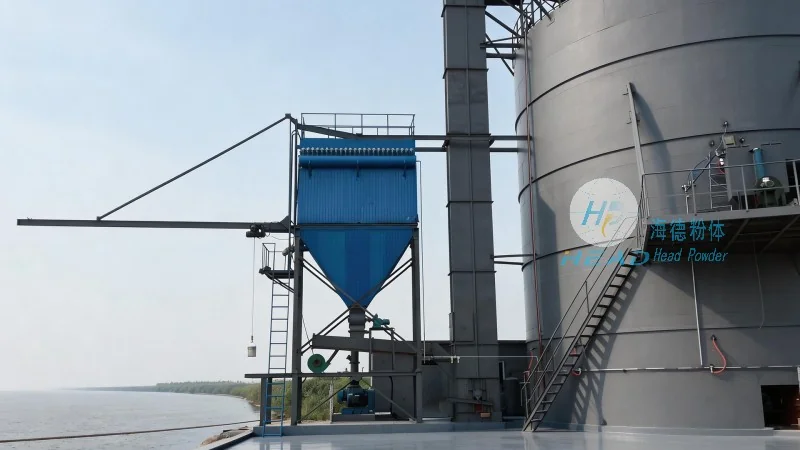
Energy efficiency is a key consideration in the design of these systems. Factors such as the type of conveyor, material properties, and system layout influence the overall energy consumption. Modern dry manure powder conveying systems employ variable speed drives and optimized screw designs to reduce energy usage while maintaining high throughput. Additionally, the use of sealed and dust-tight components helps minimize energy loss and maintain a clean operational environment.
Hygiene and environmental considerations are also integral to the system's operation. The design incorporates features such as sealed hoppers and enclosed conveyor sections to prevent dust emissions and contamination. This is particularly important in agricultural settings where maintaining a clean environment is essential for both operational efficiency and compliance with environmental regulations. The system's ability to handle dry manure powder without generating excessive dust also contributes to better air quality and reduced health risks for operators.
Application and Integration in Agricultural Settings
Dry manure powder conveying systems are widely used in various agricultural applications, including livestock farming, composting facilities, and organic waste processing plants. The technology is particularly valuable in large-scale operations where efficient handling of manure is critical for maintaining productivity and reducing labor costs. By converting wet manure into a dry powder, these systems enable easier storage, transport, and processing, which are essential for sustainable agricultural practices.
Integration with other agricultural equipment is also common. For example, dry manure powder conveyors can be connected to composting systems, where the dry powder is used as a raw material for producing high-quality compost. This integration enhances the overall efficiency of the waste management process, turning a potential environmental burden into a valuable resource. The systems are designed to be compatible with existing infrastructure, allowing for seamless integration into existing agricultural operations.

Advantages and Benefits of Dry Manure Powder Conveying
Implementing dry manure powder conveying systems offers several advantages over traditional wet manure handling methods. One of the primary benefits is improved material handling. Dry powders are easier to transport and store compared to wet manure, reducing the risk of clogging and spillage. This leads to higher operational efficiency and lower maintenance costs. Additionally, the dry state of the manure reduces the need for additional drying processes, saving energy and resources.
Another significant advantage is the reduction in odor and dust emissions. Wet manure often produces strong odors and airborne pathogens, which can affect both the environment and human health. Dry manure powder conveying systems minimize these issues by processing the material in a dry state, resulting in a cleaner and more hygienic operation. This is particularly beneficial in residential or populated areas where odor control is a priority.
The systems also contribute to better resource utilization. By converting manure into a dry powder, the material can be more easily processed into compost or fertilizer, enhancing its value as a soil amendment. This promotes sustainable agricultural practices and reduces the reliance on synthetic fertilizers. Furthermore, the efficient transport capabilities of these systems help in managing large volumes of manure, ensuring that it is utilized effectively rather than being wasted.
Conclusion and Future Developments
Shandong HeadPowder Engineering Co., Ltd. has developed advanced dry manure powder conveying systems that address the critical needs of modern agricultural operations. The combination of robust structural design, efficient operational principles, and user-friendly control systems makes these systems a reliable solution for manure management. As agricultural practices continue to evolve, the demand for efficient and sustainable waste handling technologies will increase, and dry manure powder conveying systems will play a vital role in meeting these needs.
Future developments in this field may focus on further enhancing energy efficiency, improving material handling capabilities for diverse manure types, and integrating advanced monitoring technologies. However, the core principles of dry manure powder conveying—efficient transport, reduced environmental impact, and resource utilization—will remain central to the technology's continued relevance and application in agricultural settings.




