HeadPowder, a leading manufacturer based in Shandong, China, specializes in the design and production of advanced sand and gravel pneumatic conveying systems. This article provides an overview of the system's structure and operational principles, highlighting its key components and functional mechanisms.
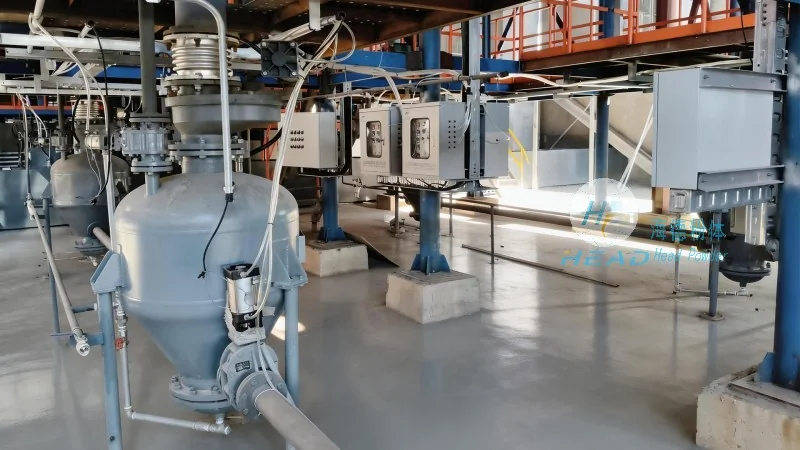
Overview of Sand and Gravel Pneumatic Conveying Systems
A sand and gravel pneumatic conveying system is a sophisticated industrial solution designed to transport bulk materials like sand, gravel, and other granular substances through an enclosed pipeline using compressed air. The system is widely used in construction, mining, and material processing industries due to its efficiency, flexibility, and ability to handle abrasive materials without causing wear and tear on equipment.
Key Components of the Pneumatic Conveying System
The pneumatic conveying system consists of several critical components that work in tandem to ensure smooth material transport. These components include the material feed hopper, air compressor, pipeline network, control valves, and material discharge unit. Each component plays a vital role in the overall operation of the system.
Material Feed Hopper
The material feed hopper is the initial component where bulk sand or gravel is loaded. It is designed with a hopper shape to facilitate the flow of materials into the system. The hopper is equipped with a feed valve that controls the rate of material discharge into the pipeline. This component ensures a consistent and controlled supply of material to the conveying system.

Air Compressor and Pressure Regulation
The air compressor is the heart of the pneumatic conveying system, responsible for generating the necessary compressed air to move the material through the pipeline. The compressor is typically a positive displacement type, such as a rotary screw or reciprocating compressor, which provides the required pressure and airflow. The system also includes pressure regulators and filters to maintain stable air pressure and remove contaminants, ensuring the longevity of the equipment and the quality of the conveyed material.
Pipeline Network and Conveying Path
The pipeline network forms the main transport channel for the sand and gravel. It is constructed from durable materials like stainless steel or coated steel to withstand the abrasive nature of the granular materials. The pipeline is designed with appropriate bends, elbows, and straight sections to guide the material flow efficiently. The system may include vertical and horizontal sections, with vertical lifts requiring additional air pressure to overcome gravity. The pipeline is equipped with check valves and flow control devices to prevent backflow and maintain consistent material movement.
Control Valves and Flow Regulation
Control valves are integral to the system's operation, allowing for precise control of air pressure and material flow. These valves include air inlet valves, material feed valves, and discharge valves. They are typically operated by pneumatic or electric actuators, enabling automated control of the conveying process. The system may also include flow meters and pressure sensors to monitor the performance and adjust the operation parameters in real-time.

Material Discharge Unit
The material discharge unit is the final component where the conveyed sand or gravel is collected. It is designed with a hopper or bin to store the material until it is transferred to the next processing stage. The discharge unit may include a discharge valve or a conveyor system to transfer the material to a storage or processing facility. The unit is equipped with dust collection systems to control airborne particles and maintain a clean working environment.
Operational Principles and Working Mechanism
The operation of the sand and gravel pneumatic conveying system follows a systematic process. Initially, the material is fed into the hopper, and the air compressor starts to generate compressed air. The feed valve opens, allowing the material to enter the pipeline along with the air stream. The air pressure propels the material through the pipeline, overcoming resistance and gravity. As the material moves, it is carried by the air in a suspended state, reducing friction and wear on the pipeline. At the discharge end, the air pressure is reduced, causing the material to settle and be collected in the discharge unit. The system may include a venturi or eductor to enhance the air-material mixture and improve conveying efficiency.
Advantages of Using Pneumatic Conveying Systems
HeadPowder's sand and gravel pneumatic conveying systems offer several advantages over traditional mechanical conveying methods. These include the ability to transport materials over long distances, the flexibility to handle multiple material types, and the reduced risk of material contamination. The system is also compact and can be installed in confined spaces, making it suitable for various industrial applications. Additionally, the system minimizes labor costs and operational downtime, contributing to overall efficiency and productivity.

Applications and Industries
Sand and gravel pneumatic conveying systems are widely used in various industries, including construction, mining, and material processing. In the construction industry, the system is used to transport sand and gravel from storage facilities to construction sites, ensuring a continuous supply of materials. In mining operations, the system is employed to transport ore and other minerals from processing plants to storage or shipping locations. The system is also used in material processing facilities to convey raw materials to production lines and finished products to storage areas.
Maintenance and Operational Considerations
Proper maintenance is crucial to ensure the efficient and long-term operation of the pneumatic conveying system. Regular inspection of components such as the air compressor, pipeline, and control valves is necessary to identify and address potential issues. The system should be cleaned regularly to remove accumulated material and prevent blockages. Additionally, the air filter and pressure regulator should be checked and replaced as needed to maintain optimal performance. Proper training of operators on the system's operation and maintenance is essential to prevent accidents and ensure safety.
Conclusion
HeadPowder's sand and gravel pneumatic conveying systems represent a reliable and efficient solution for bulk material transport. By understanding the system's structure and operational principles, users can optimize their material handling processes and improve overall productivity. With its advanced design and robust construction, the system is well-suited for various industrial applications, providing a cost-effective and sustainable solution for material transport needs.




