HeadPowder, a leading provider of industrial material handling solutions, specializes in the design and manufacturing of advanced pneumatic conveying systems tailored for the alumina industry. This article provides a comprehensive overview of the equipment, its structural design, and the underlying principles that enable efficient material transport in alumina processing facilities.

As a key component in the alumina production and processing chain, pneumatic conveying equipment is essential for moving bulk materials like alumina powder from one processing stage to another. The systems developed by Shandong HeadPowder Engineering Co., Ltd. are engineered to meet the specific demands of the alumina sector, ensuring high efficiency, reliability, and minimal material degradation during transport.
HeadPowder's alumina pneumatic conveying equipment is designed with a focus on durability and performance. The company, based in Shandong, China, leverages years of experience in material handling technology to create solutions that address the unique challenges of alumina transportation, such as dust control, pressure management, and material flow optimization.
Structural Components of Pneumatic Conveying Systems for Alumina
The core structure of an alumina pneumatic conveying system typically includes several key components that work in tandem to facilitate material transport. These components are engineered to handle the physical and chemical properties of alumina powder, ensuring safe and efficient operation.
First, the feed hopper is a critical component where alumina powder is stored and prepared for transport. It is designed with a smooth interior surface to minimize material buildup and ensure consistent feeding. The hopper is equipped with a feeding mechanism, such as a rotary valve or a screw feeder, which controls the flow rate of the material into the conveying line.
Next, the conveying line itself is a crucial part of the system. It is usually made of stainless steel or other corrosion-resistant materials to withstand the abrasive nature of alumina powder. The line is connected to a blower or compressor, which generates the necessary air pressure to move the material. The blower is selected based on the required flow rate and pressure, ensuring optimal performance for the specific alumina application.
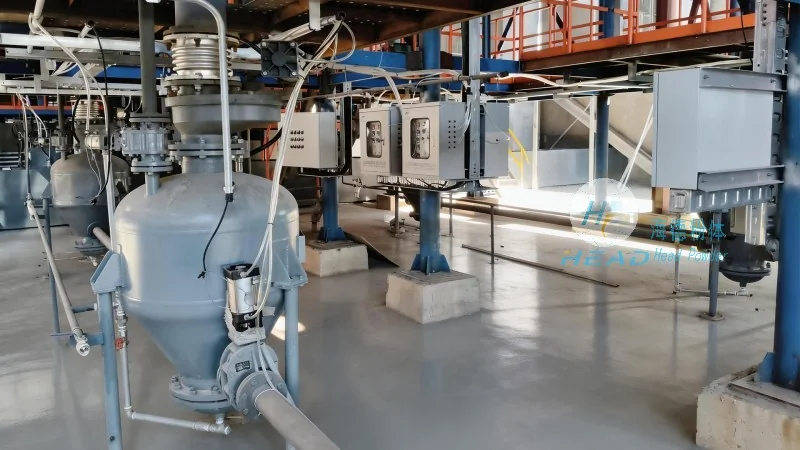
Additionally, the system includes control valves and filters to regulate the air flow and capture any fine particles that may escape during transport. These components are essential for maintaining system efficiency and preventing material loss or contamination.
Working Principle of Alumina Pneumatic Conveying
The operation of an alumina pneumatic conveying system is based on the principle of air suspension, where the material is suspended in a stream of air and transported through the conveying line. This method is particularly effective for handling fine powders like alumina, as it minimizes material degradation and reduces the risk of blockages.
When the system is activated, the blower generates a high-pressure air stream that enters the feed hopper. The material is then drawn into the conveying line by the air flow, creating a suspension of powder and air. The mixture travels through the line at a controlled velocity, ensuring that the material is fully suspended and transported to the destination point.
At the receiving end, the air and material mixture passes through a separator, which separates the alumina powder from the air. The air is then filtered and recycled back to the blower, while the powder is collected in a receiving hopper or storage tank. This process ensures that the material is delivered efficiently and with minimal loss.
Advantages of Alumina Pneumatic Conveying Equipment
HeadPowder's alumina pneumatic conveying systems offer several advantages over traditional material handling methods. These benefits include:

1. Efficiency and Speed: The system allows for rapid and continuous transport of alumina powder, reducing processing time and increasing overall productivity.
2. Minimal Material Degradation: The air suspension method minimizes the impact and friction that can cause material breakdown, preserving the quality of the alumina powder.
3. Reduced Downtime: The equipment is designed for low maintenance and reliable operation, minimizing downtime and ensuring consistent production.
4. Easy Integration: The systems can be easily integrated into existing alumina processing facilities, adapting to various production layouts and requirements.
Applications in Alumina Processing
Alumina pneumatic conveying equipment is widely used in various stages of alumina production and processing. Some common applications include:

1. Transport between crushing and grinding stages: Moving ground alumina from crushers to grinding mills.
2. Transfer between storage and processing units: Transporting alumina from storage silos to reactors or other processing equipment.
3. Material feeding in chemical reactions: Delivering alumina powder to reactors for chemical reactions, ensuring a consistent feed rate.
4. Waste material handling: Conveying alumina waste or byproducts to disposal or recycling facilities.
Conclusion
HeadPowder's alumina pneumatic conveying equipment represents a reliable and efficient solution for material handling in the alumina industry. By understanding the structural components and working principles of these systems, users can make informed decisions about implementing such technology in their facilities. The company's commitment to quality and innovation ensures that its equipment meets the evolving needs of the alumina sector, providing long-term value and performance.




