Unattended material feeding and conveying systems represent a critical advancement in industrial automation, designed to enhance operational efficiency and reduce labor dependency in material handling processes. These systems are engineered to operate autonomously, ensuring continuous and reliable material transport without the need for constant human intervention. The following sections will delve into the operational process and underlying working principles of such systems, providing a comprehensive understanding of their functionality and benefits.
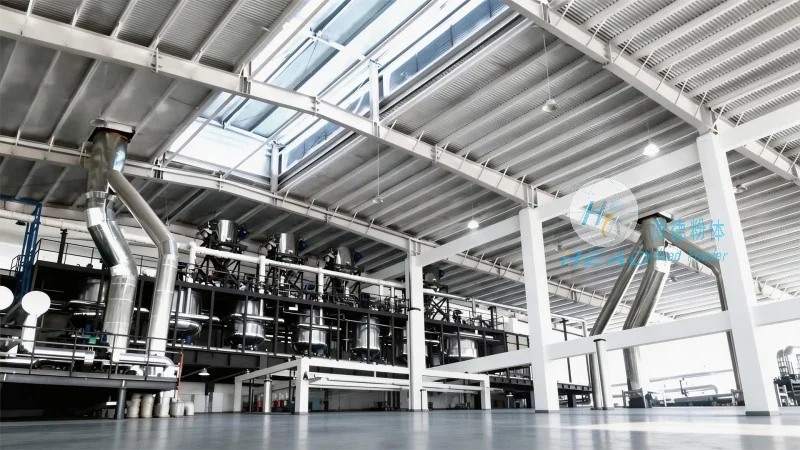
Key Components of Unattended Material Feeding and Conveying Systems
The effectiveness of unattended material feeding and conveying systems is largely attributed to their integrated components, each playing a vital role in the overall operation. These components typically include material feeders, conveyor mechanisms, control systems, and monitoring devices. Material feeders are responsible for the initial collection and preparation of materials, ensuring a consistent flow into the system. Conveyor mechanisms, such as belt conveyors or screw conveyors, then transport the materials through the system with precision and speed. Advanced control systems, often equipped with programmable logic controllers (PLCs) or industrial computers, manage the entire operation, coordinating the movement of materials and responding to real-time conditions. Monitoring devices, including sensors and cameras, provide continuous feedback on the system's status, enabling proactive maintenance and troubleshooting.

Operation Process of Unattended Material Feeding and Conveying Systems
The operation process of unattended material feeding and conveying systems follows a systematic sequence, ensuring smooth and uninterrupted material handling. The process begins with the activation of the system, where the control unit initiates the feeding mechanism. Material is then fed into the conveyor system, where it is transported to the designated processing or storage areas. Throughout the operation, the control system continuously monitors the flow rate, position, and status of the materials, adjusting parameters as needed to maintain optimal performance. The system may also include automated sorting or quality inspection stages, where materials are sorted based on specific criteria or inspected for defects before proceeding. Upon completion of the conveying process, the system may automatically shut down or transition to a standby mode, ready for the next batch of materials. This automated workflow minimizes downtime and maximizes productivity, making unattended systems ideal for high-volume industrial applications.
Working Principle of Unattended Material Feeding and Conveying Systems
The working principle of unattended material feeding and conveying systems is rooted in the integration of mechanical, electrical, and control technologies. At its core, the system relies on sensors and actuators to detect and respond to changes in the material flow. Sensors, such as photoelectric sensors or proximity sensors, detect the presence and position of materials, providing real-time data to the control unit. Actuators, including motors and valves, execute the control unit's commands, adjusting the speed of the conveyor or activating the feeding mechanism. The control unit, typically a PLC or a dedicated control software, processes the sensor data and executes pre-programmed logic to manage the system's operation. This closed-loop control system ensures that the material handling process is precise, efficient, and adaptable to varying conditions. Additionally, the system may incorporate feedback mechanisms, such as load cells or pressure sensors, to monitor the load on the conveyor and prevent overloading or mechanical stress. By combining these principles, unattended material feeding and conveying systems achieve high levels of automation, reliability, and performance in industrial material handling.

Benefits and Applications of Unattended Material Feeding and Conveying Systems
Unattended material feeding and conveying systems offer numerous benefits that enhance industrial operations. These systems significantly reduce labor costs by minimizing the need for manual material handling, allowing workers to focus on more value-added tasks. They also improve operational efficiency by ensuring continuous material flow, reducing downtime and increasing production throughput. The precision and consistency of automated systems lead to higher quality output, as materials are handled with minimal risk of damage or contamination. Additionally, unattended systems enhance safety in the workplace by eliminating the need for workers to operate in hazardous environments, such as those with heavy machinery or moving parts. These systems are widely applied in various industries, including manufacturing, logistics, and mining, where large volumes of materials need to be transported efficiently. For example, in the manufacturing industry, unattended systems are used to transport raw materials to production lines and finished products to storage areas. In logistics, they facilitate the movement of packages and goods in warehouses and distribution centers. In mining, they handle bulk materials like coal or ore, improving the efficiency of extraction and processing operations.




