Chromium oxide, a critical material in various industrial applications, often requires efficient and reliable transportation methods to move it from production sites to processing facilities or storage areas. Traditional methods like bulk handling and manual transport may face challenges such as distance limitations, material degradation, and operational inefficiencies. This is where pneumatic conveying systems, particularly those designed for handling chromium oxide, emerge as a superior solution. These systems leverage air pressure to transport powders and granules, offering a flexible and effective way to overcome the constraints of traditional material handling. The following content explores the benefits, applications, and technical aspects of chromium oxide pneumatic conveying, highlighting how companies like Shandong HeadPowder Engineering Co., Ltd. are leading the way in providing tailored solutions for this specialized industry need.

Understanding Pneumatic Conveying for Chromium Oxide
Pneumatic conveying is a technology that uses air or gas to transport bulk materials, including powders and granules, through a pipeline system. For chromium oxide, which is often a fine powder with specific handling requirements, this method offers several advantages over conventional methods. Unlike belt conveyors or bucket elevators, pneumatic systems can handle materials over long distances without the need for intermediate transfer points, reducing the risk of material spillage and contamination. The process typically involves a hopper or feeder that feeds the material into a pipeline, where it is then carried by a stream of air. The air velocity and pressure are carefully controlled to ensure the material is transported smoothly without causing degradation or agglomeration. This technology is particularly beneficial for chromium oxide because it is a reactive material that can be sensitive to moisture and physical stress during handling.
Key Benefits of Using Pneumatic Conveying for Chromium Oxide
Implementing a pneumatic conveying system for chromium oxide offers numerous benefits that enhance operational efficiency and product quality. One of the primary advantages is the ability to transport materials over extended distances, often up to several kilometers, without compromising the material's integrity. This eliminates the need for multiple transfer points, which can introduce contamination risks and increase operational downtime. Additionally, pneumatic systems provide a closed-loop transport environment, which is crucial for materials like chromium oxide that may be hazardous or require strict environmental controls. The closed system prevents dust emissions, ensuring compliance with environmental regulations and maintaining a safe working environment for personnel. Another significant benefit is the flexibility of the system. Pneumatic conveyors can be easily reconfigured or expanded to accommodate changes in production volume or facility layout, making them a cost-effective long-term solution. Furthermore, these systems are generally low-maintenance, with fewer moving parts compared to mechanical conveyors, reducing the risk of breakdowns and maintenance costs over time.
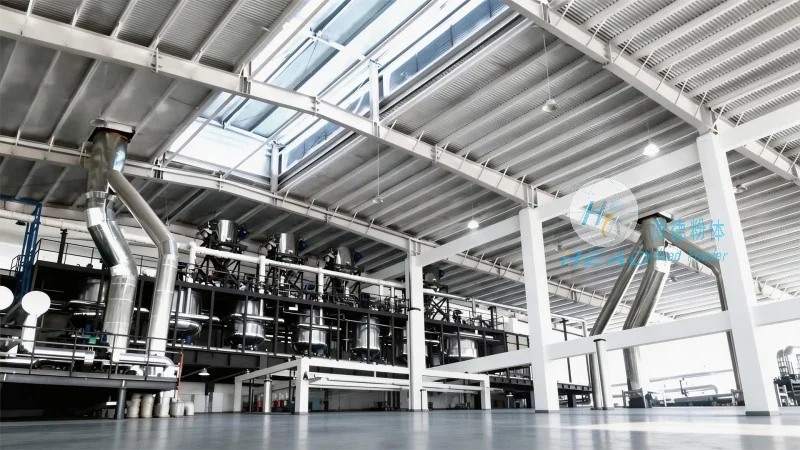
Application Scenarios in Industrial Settings
Chromium oxide pneumatic conveying systems are widely used in various industrial sectors where the material is a key component. In the chemical industry, for example, chromium oxide is used in the production of pigments, coatings, and specialty chemicals. Pneumatic conveying allows for seamless integration into production lines, ensuring a consistent supply of raw material to reactors and processing units. In the metallurgical industry, chromium oxide is used as an additive in steel production, and the ability to transport it efficiently over long distances is essential for maintaining production continuity. The automotive and aerospace industries also benefit from these systems when using chromium oxide in the manufacturing of components that require high-performance materials. The versatility of pneumatic conveying makes it suitable for a range of applications, from small-scale laboratory use to large-scale industrial production, making it a universal solution for handling chromium oxide.
Technical Considerations and System Design
The effectiveness of a chromium oxide pneumatic conveying system depends heavily on proper design and technical considerations. Key factors include the material's properties, such as particle size, density, and moisture content, which influence the air velocity and pressure required for transport. For chromium oxide, which is typically a fine powder with a high density, the system must be designed to handle high material loads without causing blockages or excessive energy consumption. The choice of materials for the pipeline and components is also critical, as chromium oxide can be abrasive and corrosive. High-quality materials like stainless steel or specialized alloys are often used to ensure durability and prevent material degradation over time. Additionally, the system's control mechanisms, including pressure sensors and flow meters, are essential for monitoring and maintaining optimal operation. These controls help in adjusting air pressure and flow rates in real-time, ensuring efficient and safe transport of the material. Proper maintenance and regular inspections are also vital to prevent system failures and extend the lifespan of the equipment.

Shandong HeadPowder Engineering Co., Ltd.: A Leader in Pneumatic Conveying Solutions
Shandong HeadPowder Engineering Co., Ltd., commonly known as HeadPowder, is a leading provider of specialized material handling solutions, including pneumatic conveying systems for chromium oxide and other industrial powders. With a strong presence in China, particularly in Shandong, the company has built a reputation for delivering high-quality, customized solutions that meet the unique needs of its clients. HeadPowder's expertise lies in understanding the specific challenges of handling materials like chromium oxide, such as their sensitivity to handling conditions and the need for efficient, long-distance transport. The company's team of engineers and technicians work closely with clients to design and implement systems that are tailored to their production requirements, ensuring optimal performance and reliability. By leveraging advanced technology and years of industry experience, HeadPowder offers solutions that not only overcome distance limitations but also enhance overall operational efficiency and product quality. The company's commitment to innovation and customer satisfaction has made it a trusted partner for businesses in the chemical, metallurgical, and other industries that rely on chromium oxide in their production processes.
Conclusion: The Future of Material Handling with Pneumatic Conveying
In conclusion, chromium oxide pneumatic conveying represents a significant advancement in material handling technology, offering a reliable and efficient solution to overcome distance limitations and ensure the safe transport of this critical material. The benefits of these systems, including long-distance transport, closed-loop operation, and flexibility, make them an ideal choice for industries that require high-quality handling of powders and granules. Companies like Shandong HeadPowder Engineering Co., Ltd. play a crucial role in providing these advanced solutions, leveraging their expertise and technology to meet the evolving needs of the industry. As industrial demands continue to grow, the importance of efficient material handling systems will only increase, and pneumatic conveying for chromium oxide will remain a vital component in ensuring operational success and product quality. By investing in such systems, businesses can enhance their productivity, reduce costs, and maintain compliance with environmental and safety regulations, ultimately contributing to a more sustainable and efficient industrial future.




