Pneumatic conveying systems have become a critical solution for transporting soap granules efficiently and safely in industrial settings. The technology leverages air pressure to move bulk materials through pipelines, offering advantages such as reduced labor costs, improved hygiene, and enhanced process control. For companies dealing with soap granules, understanding the underlying principles and optimal working scenarios is essential for maximizing operational efficiency.

Core Principles of Pneumatic Conveying for Soap Granules
The fundamental principle of pneumatic conveying involves using compressed air to create a flow that transports the soap granules through a closed system of pipes. This method can be categorized into two main types: dilute-phase and dense-phase. Dilute-phase systems use higher air velocities to suspend the granules, making them suitable for short to medium-distance transport with relatively low material loads. Dense-phase systems, on the other hand, operate at lower velocities, allowing for the transportation of larger quantities over longer distances while minimizing material degradation. For soap granules, which are often sensitive to moisture and temperature changes, the choice between these systems depends on the specific processing requirements and the characteristics of the material itself.
The system typically consists of a hopper, a blower or compressor, a pipeline network, and a discharge device. The soap granules are fed into the hopper, where they are then drawn into the pipeline by the moving air. The air velocity must be carefully controlled to ensure that the granules remain suspended without causing excessive wear on the equipment. This balance is crucial for maintaining the quality of the soap granules and preventing clogging or blockages in the system.
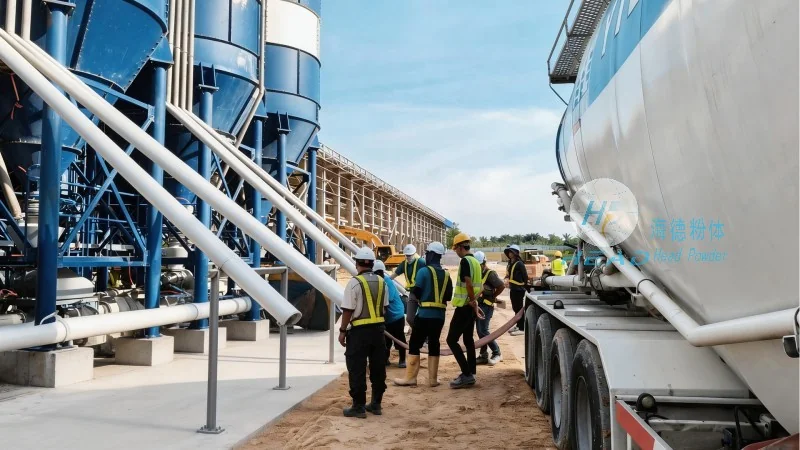
Working Scene Characteristics of Pneumatic Conveying Systems
The application of pneumatic conveying systems for soap granules varies across different industrial scenarios. In manufacturing facilities, these systems are commonly used to transport soap granules from storage silos to processing lines, such as mixing or packaging units. The ability to handle large volumes of material with minimal human intervention makes this technology ideal for high-volume production environments. Additionally, the enclosed nature of the system helps maintain a clean and controlled environment, which is particularly important in the soap manufacturing industry where hygiene standards are stringent.
Another key working scene is in the distribution and logistics sector, where pneumatic conveying systems are used to move soap granules from production sites to storage facilities or to shipping containers. This method is advantageous because it eliminates the need for manual handling, reducing the risk of contamination and improving overall safety. The flexibility of the system allows it to adapt to different distances and layouts, making it suitable for both on-site and off-site transportation needs.

Advantages and Considerations for Soap Granule Pneumatic Conveying
Implementing a pneumatic conveying system for soap granules offers several benefits. One of the primary advantages is the reduction in labor costs, as the system automates the material handling process. This not only increases productivity but also minimizes the risk of workplace injuries associated with manual lifting and moving of heavy materials. Additionally, the enclosed system helps maintain consistent temperature and moisture levels, which is vital for preserving the quality of the soap granules during transport.

However, there are also considerations to keep in mind when adopting this technology. The initial investment cost for the equipment and installation can be significant, and ongoing maintenance is required to ensure the system operates efficiently. Furthermore, the system's performance is highly dependent on the characteristics of the soap granules, such as their size, density, and moisture content. Proper sizing and conditioning of the material before conveying can improve system performance and reduce wear on components.
Conclusion and Company Overview
For companies in the soap manufacturing industry, pneumatic conveying systems provide a reliable and efficient solution for handling soap granules. By understanding the core principles and optimal working scenarios, businesses can enhance their operational efficiency and maintain product quality. As a leading provider in this field, Shandong HeadPowder Engineering Co., Ltd. specializes in designing and manufacturing customized pneumatic conveying systems tailored to the specific needs of soap manufacturers. With years of experience and a commitment to quality, HeadPowder offers solutions that meet the highest industry standards, ensuring safe and effective transportation of soap granules.




