Principle and Working Scene Characteristics of Bulk Bag Material Pneumatic Conveying Systems
Release time:2026-09-19 22:01:33
name of the company:Shandong Headpowder Engineering Co., Ltd.
telephone:156-6277-7102
contacts:Zhang manager
Bulk bag material pneumatic conveying systems are advanced industrial solutions designed to efficiently transport bulk materials from storage to processing or packaging areas. These systems leverage air pressure to move materials through a pipeline network, offering a flexible and cost-effective alternative to traditional methods like belt conveyors or bucket elevators. The technology is particularly suited for handling a wide range of dry, free-flowing bulk materials, including powders, granules, and fine particles. By integrating bulk bag dischargers with pneumatic conveying technology, these systems provide a seamless and automated process for material transfer, reducing manual labor and improving operational efficiency.


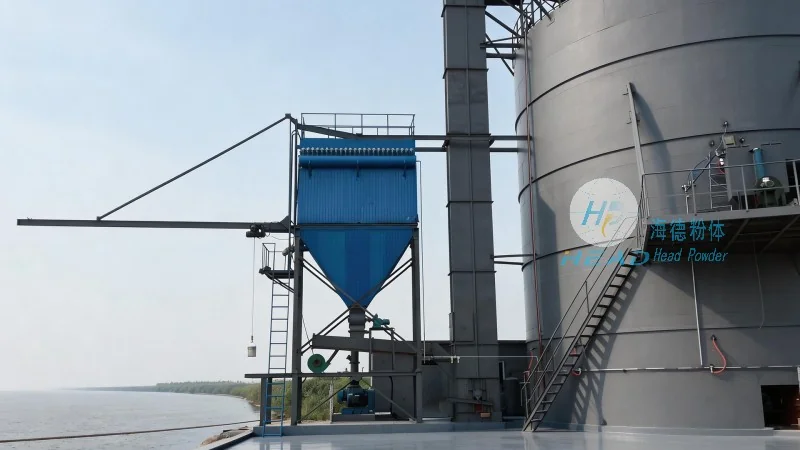
The Working Principle of Pneumatic Conveying Systems
The core of a bulk bag material pneumatic conveying system lies in its ability to use compressed air to create a flow of material through a sealed pipeline. The process typically involves several key components: a bulk bag discharger (or hopper) that releases material from the bag, a vacuum or pressure blower that generates the air flow, a pipeline system that transports the material-air mixture, and a receiver or collection point where the material is deposited. The system can operate in either pressure or vacuum mode, depending on the application and material characteristics. In pressure systems, air is forced into the pipeline, pushing the material forward. In vacuum systems, air is drawn out, creating a negative pressure that pulls the material into the line. The choice between pressure and vacuum depends on factors such as the distance to be covered, the material's density, and the need to handle dust or moisture. For example, pressure systems are often preferred for short to medium distances and materials with high flowability, while vacuum systems are suitable for longer distances or materials that are more cohesive or prone to dust generation.
Key Working Scene Characteristics
Bulk bag material pneumatic conveying systems are versatile and can be adapted to various industrial environments. Their primary characteristics include high efficiency in material handling, minimal space requirements, and the ability to transport materials over long distances without the need for multiple transfer points. The systems are also designed to minimize material degradation and contamination, which is critical for sensitive products like pharmaceuticals, food ingredients, or chemicals. Additionally, these systems can handle materials with varying flow properties, from free-flowing powders to cohesive granules, making them suitable for diverse applications across industries such as food processing, pharmaceuticals, chemicals, and mining. The flexibility of the system allows for integration with existing infrastructure, reducing the need for extensive site modifications and minimizing downtime during installation.




