Understanding the operational principles and application scenarios of sodium sulfate material conveying lines is crucial for industries that handle this chemical compound. As a key component in various industrial processes, sodium sulfate (Na₂SO₄) requires efficient and reliable transportation systems to ensure smooth workflow and product quality. This article delves into the fundamental principles behind these conveying lines and highlights the specific characteristics of their working environments.

Introduction to Sodium Sulfate Material Conveying Lines
Sodium sulfate, commonly known as Glauber's salt or mirabilite, is widely used in the chemical, food, and pharmaceutical industries. Its handling demands specialized equipment to manage its physical properties, such as bulk density and flow characteristics. The conveying lines designed for sodium sulfate are engineered to address these challenges, ensuring safe and efficient material transport from storage to processing units. These systems are integral to maintaining productivity and minimizing operational disruptions in industrial settings.
Core Principles of the Conveying System
The operation of a sodium sulfate material conveying line is based on several key principles that govern its functionality. The primary components include feed hoppers, conveyor mechanisms (such as belt conveyors or screw conveyors), control systems, and safety features. The feed hopper is responsible for storing and regulating the flow of sodium sulfate into the conveyor. This component is designed to handle the bulk density and potential moisture content of the material, preventing blockages and ensuring consistent feed rates.
The conveyor mechanism is the heart of the system, responsible for transporting the material from the feed hopper to the discharge point. For sodium sulfate, which can be abrasive and prone to bridging, the choice of conveyor type is critical. Belt conveyors are often preferred for their ability to handle large volumes and maintain a smooth flow, while screw conveyors are suitable for vertical or inclined transport, especially in compact spaces. The control system monitors parameters like speed, pressure, and material level, allowing for real-time adjustments to optimize performance and prevent overloading.
Working Scene Characteristics and Applications
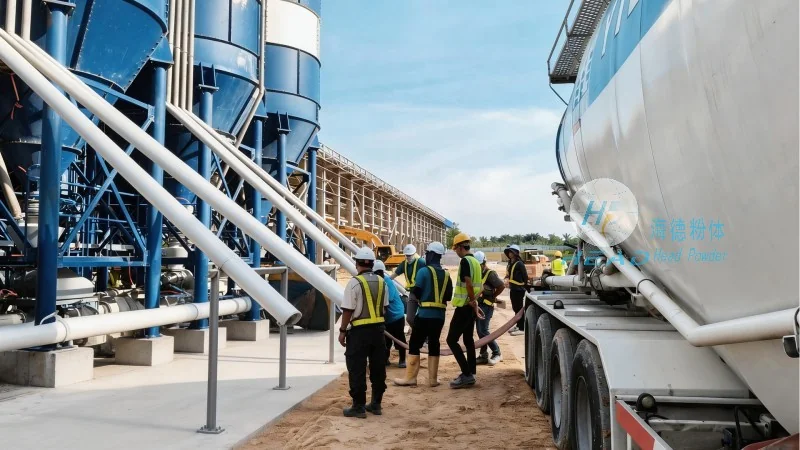
The working scene characteristics of sodium sulfate material conveying lines vary significantly based on the industrial environment and the specific application. In chemical manufacturing plants, these systems are typically integrated into larger production lines, where sodium sulfate is used as a raw material for processes like glass production, paper manufacturing, or water treatment. The working environment in such settings is often characterized by high temperatures, humidity, and exposure to other chemicals, requiring the conveying equipment to be durable and resistant to corrosion.
In the food and pharmaceutical industries, the conveying lines must adhere to stringent hygiene standards. The materials used in the construction of these systems, such as stainless steel, are chosen for their non-reactive properties and ease of cleaning. The working scene here is usually more controlled, with emphasis on maintaining product purity and preventing contamination. The conveyor design may include features like enclosed systems and gentle handling mechanisms to avoid damaging the sodium sulfate crystals, which are often used as food additives or in pharmaceutical formulations.

Advantages and Operational Efficiency
Efficient sodium sulfate material conveying lines offer several advantages that enhance overall operational efficiency. By automating the material transport process, these systems reduce the need for manual handling, minimizing the risk of accidents and improving workplace safety. The consistent flow of material ensures that downstream processes, such as mixing or processing, operate smoothly without interruptions. Additionally, the use of advanced control systems allows for precise monitoring and adjustment, optimizing energy consumption and reducing waste.
The durability of the equipment, particularly in harsh industrial environments, contributes to long-term cost savings. The robust construction of the conveying lines, including reinforced components and corrosion-resistant materials, extends their lifespan and reduces maintenance requirements. This reliability is essential for maintaining production schedules and meeting customer demands in competitive industries.
Conclusion
In conclusion, sodium sulfate material conveying lines are sophisticated systems designed to handle the unique challenges of transporting this chemical compound. Their operation is based on fundamental principles of material handling, including proper feed regulation, efficient conveyor mechanisms, and advanced control systems. The working scene characteristics, which vary across industries, dictate the specific design and features of these systems, ensuring they meet the demands of their respective applications. By understanding these principles and characteristics, industries can select and implement the most suitable conveying solutions to enhance productivity, safety, and overall operational efficiency.




