When it comes to managing the transportation of organic fertilizer granules in your processing facility, selecting the appropriate pneumatic conveying system is a critical decision that impacts efficiency, cost, and operational reliability. The right system can streamline material handling, reduce downtime, and enhance overall productivity while ensuring compliance with safety and environmental standards. This guide, brought to you by Shandong HeadPowder Engineering Co., Ltd., outlines key considerations and factors to help you make an informed choice for your specific organic fertilizer granule handling needs.

Understanding the Role of Pneumatic Conveying in Organic Fertilizer Processing
Pneumatic conveying systems are widely used in the fertilizer industry due to their ability to transport bulk materials like organic fertilizer granules over varying distances with minimal maintenance. These systems utilize air pressure to move materials through pipelines, offering advantages such as dust containment, reduced product degradation, and the ability to handle abrasive or sensitive materials without the need for mechanical components that might cause wear or contamination. For organic fertilizer granules, which often have specific size, moisture content, and flow characteristics, selecting a system that matches these properties is essential for optimal performance.
Key Factors to Evaluate When Choosing a Pneumatic Conveying System
Several critical factors must be considered when evaluating pneumatic conveying options for organic fertilizer granule handling. The first is the material's physical properties, including particle size distribution, bulk density, and moisture content. These characteristics determine the appropriate conveying velocity, pressure requirements, and system design to prevent blockages or excessive energy consumption. Additionally, the distance and layout of the conveying route are important, as different systems (like pressure or vacuum conveying) are better suited for specific distances and configurations. The scale of operation, whether it's a small-scale batch process or a large continuous production line, also influences the system's capacity and complexity. Finally, operational considerations such as maintenance requirements, energy efficiency, and integration with existing equipment should be weighed against the initial investment and long-term operational costs.

Types of Pneumatic Conveying Systems for Organic Fertilizer Granules
There are primarily two types of pneumatic conveying systems used in the fertilizer industry: pressure and vacuum systems. Pressure conveying systems use positive pressure to push material through the pipeline, typically from a blower or compressor at the inlet. This method is suitable for longer distances and can handle larger particle sizes or more abrasive materials. Vacuum conveying systems, on the other hand, use negative pressure to draw material into the system, often from a receiver or hopper. Vacuum systems are ideal for shorter distances and are commonly used for loading or unloading operations where the material source is at a lower elevation than the destination. For organic fertilizer granules, which may vary in size and flowability, a combination of both systems or a hybrid approach might be considered to address specific challenges in the process flow.
Design Considerations for Optimal Performance
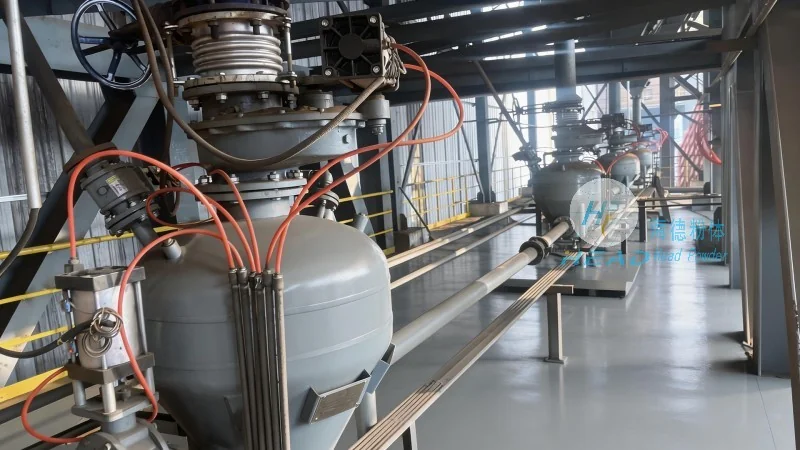
The design of a pneumatic conveying system for organic fertilizer granules involves several technical aspects to ensure efficiency and reliability. The pipeline layout, including the number of bends, elbows, and expansion joints, must be carefully planned to minimize pressure drop and prevent material accumulation. The choice of pipeline material, such as stainless steel or plastic, is critical to resist corrosion and abrasion from the fertilizer particles. Additionally, the selection of air handling equipment, such as blowers or vacuum pumps, must match the system's capacity and pressure requirements. Proper filtration and dust collection systems are also essential to maintain air quality and comply with environmental regulations. Regular maintenance, including cleaning of filters and checking for wear in components, is necessary to ensure the system operates at peak efficiency and extends its service life.

Case Study: Implementing a Pneumatic Conveying System for Organic Fertilizer Granules
Shandong HeadPowder Engineering Co., Ltd., a leading provider of bulk material handling solutions, recently worked with a fertilizer manufacturer to implement a pneumatic conveying system for their organic fertilizer granule processing line. The client required a system capable of transporting granules from a storage silo to a packaging area over a distance of 150 meters, while maintaining a consistent flow rate of 10 tons per hour. HeadPowder engineers conducted a thorough analysis of the material properties, including particle size (ranging from 2 to 5 mm) and moisture content (around 10%), and recommended a pressure conveying system with a stainless steel pipeline and a high-efficiency blower. The system was designed with multiple expansion joints and a dust collection unit to handle the abrasive nature of the granules. After installation and commissioning, the system achieved the required flow rate with minimal pressure drop, reducing energy consumption by 15% compared to the previous mechanical conveyor system. The client reported improved operational efficiency and reduced maintenance costs, validating the effectiveness of the chosen pneumatic conveying solution.
Conclusion: Making the Right Choice for Your Organic Fertilizer Granule Handling
Selecting the right pneumatic conveying system for organic fertilizer granule handling requires a comprehensive evaluation of material properties, operational requirements, and system design. By considering factors such as particle size, moisture content, conveying distance, and energy efficiency, you can choose a system that optimizes performance while minimizing costs and maintenance. Working with experienced engineering firms like Shandong HeadPowder Engineering Co., Ltd. can provide valuable expertise in designing and implementing customized solutions that meet the specific needs of your organic fertilizer processing facility. Whether you are upgrading an existing system or designing a new plant, a well-planned pneumatic conveying system is a key investment that can enhance productivity, safety, and overall operational success in the fertilizer industry.




