For industrial applications that require the efficient and safe transportation of polyethylene powder, specialized material handling equipment is essential. This article explores the working principle and key features of polyethylene powder material handling equipment, providing insights into how these systems operate and why they are critical in various production environments.

Working Principle of Polyethylene Powder Material Handling Equipment
Polyethylene powder material handling equipment typically operates based on mechanical or pneumatic principles, depending on the specific design and application requirements. The most common types include screw conveyors, pneumatic conveying systems, and bucket elevators. Each system is engineered to handle the unique properties of polyethylene powder, such as its fine particle size, low bulk density, and potential for static electricity.
Screw conveyors, for example, use a rotating helical screw to move polyethylene powder along a trough or tube. The screw's rotation creates a pushing action that propels the material forward. This method is suitable for horizontal or slight incline applications and is effective for moderate to high volumes of powder. Pneumatic conveying systems, on the other hand, utilize compressed air to transport polyethylene powder through a pipeline. The air flow creates a negative pressure that draws the powder into the system, allowing for vertical or long-distance transport. This method is particularly useful for applications requiring dust-free or enclosed environments.

Key Features of Polyethylene Powder Material Handling Equipment
The features of polyethylene powder material handling equipment are designed to address the challenges of handling fine powders, ensuring efficiency, safety, and reliability in industrial settings. Some of the most important features include:
1. Static Control Measures: Polyethylene powder is prone to generating static electricity, which can cause dust explosions or material buildup. Equipment such as anti-static coatings, grounding systems, and conductive materials are integrated to mitigate these risks. This ensures safe operation and prevents material loss.
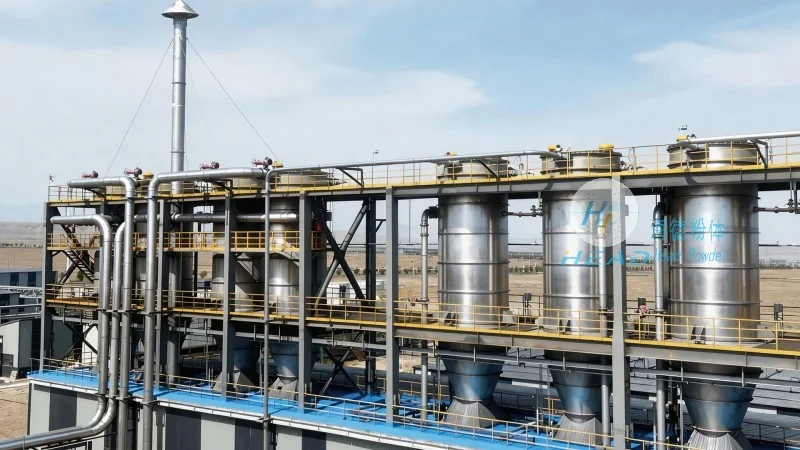
2. Material Compatibility: The equipment is constructed from materials that are resistant to polyethylene powder, such as stainless steel, food-grade plastics, or specialized coatings. This prevents contamination and ensures the powder remains pure throughout the handling process.
3. Adjustable Speed and Flow Control: Many systems offer variable speed drives or flow control valves, allowing operators to adjust the speed of material movement based on production needs. This flexibility helps maintain consistent output and prevents overloading or underloading of the equipment.
4. Dust Suppression and Enclosure: To minimize dust emissions and protect the environment, polyethylene powder handling equipment often includes dust collection systems, enclosed housing, and sealed connections. This not only improves safety but also complies with environmental regulations.

Applications and Benefits
Polyethylene powder material handling equipment is widely used in industries such as plastics manufacturing, chemical processing, and food processing. The benefits of using these systems include improved productivity, reduced labor costs, and enhanced safety. By efficiently transporting polyethylene powder, companies can streamline their production processes and maintain high-quality standards.
About Shandong HeadPowder Engineering Co., Ltd.
Shandong HeadPowder Engineering Co., Ltd., commonly known as HeadPowder, is a leading manufacturer of polyethylene powder material handling equipment. With a focus on innovation and quality, the company provides comprehensive solutions tailored to the specific needs of its clients. HeadPowder's equipment is designed to meet the highest industry standards, ensuring reliable performance and long-term durability. The company is based in Shandong, China, and serves customers worldwide with its advanced technology and commitment to excellence.




