Alumina powder, a critical raw material in various industrial applications such as ceramics, refractories, and chemical production, requires efficient and reliable material handling solutions to ensure smooth production processes. The equipment designed for transporting and handling alumina powder plays a pivotal role in maintaining operational efficiency and product quality. This article delves into the working principle and key features of alumina powder material handling equipment, providing insights into how these systems enhance industrial productivity.
Overview of Alumina Powder Material Handling Equipment
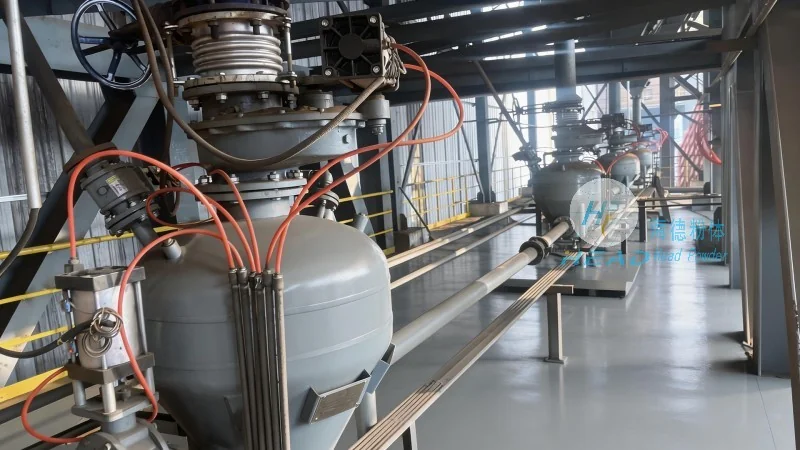
Alumina powder material handling equipment is engineered to handle the unique properties of alumina powder, which includes its fine particle size, high density, and potential for dust generation. The primary goal of such equipment is to transport alumina powder from storage silos or production lines to processing units without compromising on material integrity or safety. These systems are typically integrated with dust control measures and material flow management technologies to ensure optimal performance.

Working Principle of Alumina Powder Material Handling Equipment
The working principle of alumina powder material handling equipment revolves around several core components and mechanisms. The equipment generally includes a feeding system, a conveying mechanism, and a control system. The feeding system, often equipped with a hopper or feeder, ensures a consistent and controlled flow of alumina powder into the conveying unit. The conveying mechanism, which may utilize technologies like pneumatic conveying, screw conveyors, or bucket elevators, transports the powder through pipelines or vertical/horizontal paths. Pneumatic conveying systems, for instance, use compressed air to move the powder in a closed system, minimizing dust exposure and ensuring gentle handling of the fine particles. Screw conveyors, on the other hand, use rotating screws to push the powder along a trough, suitable for horizontal or slight incline applications. The control system monitors and regulates the flow rate, pressure, and other parameters to maintain stable operation and prevent material blockages or overloading.
Key Features of Alumina Powder Material Handling Equipment
Several key features distinguish high-quality alumina powder material handling equipment, making them ideal for demanding industrial environments. First, the equipment is designed with robust construction to withstand the abrasive nature of alumina powder, which can cause wear and tear on conventional machinery. Materials such as stainless steel or special alloys are often used in critical components to ensure durability and longevity. Second, advanced dust control features are integrated to comply with environmental regulations and maintain a safe working environment. These may include sealed systems, filtration units, and negative pressure zones to prevent dust dispersion. Third, the equipment offers precise control over material flow, enabling accurate dosing and minimizing material loss. This is crucial for maintaining product consistency and reducing waste in production processes. Fourth, the systems are equipped with monitoring and diagnostic tools, allowing operators to detect and address issues promptly, thereby reducing downtime and maintenance costs. Additionally, the equipment is designed for easy maintenance and cleaning, with accessible components and self-cleaning mechanisms to prevent material buildup and ensure consistent performance.

Applications and Benefits in Industrial Settings
Alumina powder material handling equipment is widely used in various industries where alumina is a key component. In the ceramics industry, these systems transport alumina powder to mixing and molding units, ensuring uniform material distribution and high-quality finished products. In the refractory industry, the equipment handles alumina powder for the production of refractory bricks and linings, which require precise material handling to maintain the desired composition and properties. The chemical industry also utilizes these systems for processing alumina in chemical reactions and production of alumina-based products. The benefits of using specialized material handling equipment for alumina powder include improved operational efficiency, reduced material loss, enhanced safety through dust control, and consistent product quality. These advantages contribute to cost savings and increased profitability for industrial operations.




