Cocoa material handling systems are critical components in the processing and transportation of cocoa beans and related products. These systems are designed to efficiently move cocoa from one stage of production to another, ensuring optimal quality and minimal loss. Understanding the working principle and key features of such systems is essential for businesses operating in the cocoa industry, as it directly impacts operational efficiency and product consistency.

The Working Principle of Cocoa Material Handling Systems
The core working principle of a cocoa material handling system revolves around the seamless integration of various mechanical and pneumatic components to facilitate the movement of cocoa beans and other materials. Typically, these systems begin with the reception of raw cocoa beans, which are then subjected to initial processing steps such as cleaning and sorting. The system may utilize conveyor belts, elevators, and pneumatic conveyors to transport the beans through different stages of processing, including roasting, grinding, and packaging.
Conveyor belts are a fundamental part of the system, providing a reliable and continuous method for transporting cocoa beans over short to medium distances. These belts are often equipped with adjustable speed controls and can be customized to handle different bean sizes and moisture levels. Elevators, on the other hand, are used to lift cocoa beans vertically, enabling the system to manage vertical transportation needs efficiently. Pneumatic conveyors, which use air pressure to move materials, offer a flexible solution for transporting cocoa beans in enclosed systems, reducing dust and contamination risks.
After the initial transportation, the system may incorporate sorting mechanisms, such as vibrating screens or air classifiers, to separate impurities from the cocoa beans. These mechanisms work by exploiting differences in size, density, or shape between the beans and foreign materials. The sorted beans are then directed to the next processing stage, such as roasting, where heat is applied to develop the characteristic flavor and aroma of cocoa. Roasting equipment, integrated into the system, uses controlled heat and airflow to achieve the desired roast level, which is crucial for product quality.
Following roasting, the beans are cooled and then ground into cocoa mass or powder. The grinding process often involves hydraulic or mechanical presses that apply pressure to break down the beans into a fine paste. The system may include a hydraulic press system where the beans are compressed and then released, allowing the cocoa mass to flow into a collection tank. From there, the cocoa mass may be further processed, such as conching or refining, to achieve the desired texture and flavor profile. Finally, the processed cocoa is packaged and prepared for distribution.

Key Features of Cocoa Material Handling Systems
Modern cocoa material handling systems are characterized by several key features that enhance their performance and reliability. One of the primary features is the integration of automation and control systems, which allow for precise monitoring and adjustment of processing parameters. These systems often include sensors and feedback mechanisms that detect changes in bean quality, temperature, or moisture levels, enabling real-time adjustments to maintain optimal processing conditions.
Another important feature is the use of durable and food-grade materials in the construction of the system components. Conveyor belts, hoppers, and processing equipment are typically made from stainless steel or other corrosion-resistant materials, ensuring that they can withstand the harsh conditions of cocoa processing and maintain hygiene standards. This is particularly important in food processing applications, where contamination risks must be minimized.
Efficiency and energy conservation are also key considerations in the design of modern cocoa material handling systems. The systems are engineered to minimize energy consumption while maximizing throughput. This is achieved through the use of variable speed drives, which adjust the speed of conveyor belts and other components based on the current processing load. Additionally, the integration of recycling and waste management features helps to reduce material loss and improve overall operational efficiency.
Flexibility and adaptability are other notable features of these systems. Many modern systems are designed to handle a wide range of cocoa bean types and processing requirements, allowing businesses to adapt to changing market demands or product specifications. The modular design of the systems enables easy expansion or modification, ensuring that the system can grow with the business. This flexibility is particularly valuable for companies that may need to process different varieties of cocoa or adjust their production capacity.
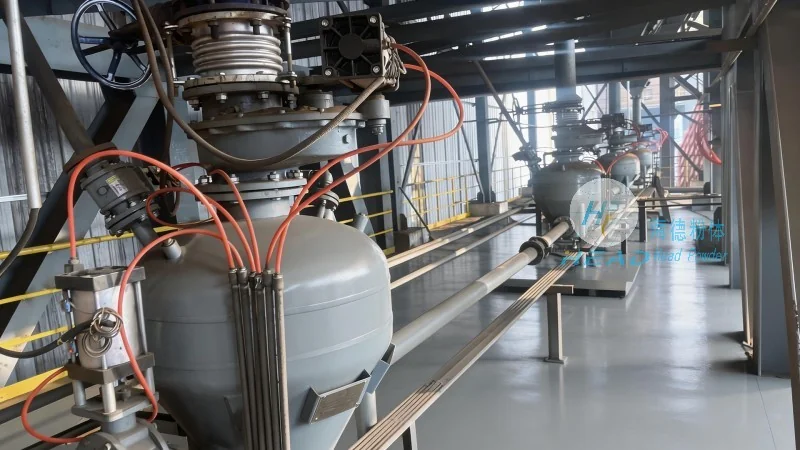
Finally, the safety features incorporated into cocoa material handling systems are critical for protecting both personnel and equipment. The systems are equipped with safety guards, emergency stop buttons, and interlocks that prevent accidental contact with moving parts. Additionally, the use of enclosed systems and dust collection mechanisms helps to maintain a safe working environment by reducing the risk of dust explosions and improving air quality.
About Shandong HeadPowder Engineering Co., Ltd.
Shandong HeadPowder Engineering Co., Ltd., commonly known as HeadPowder, is a leading manufacturer of specialized engineering solutions for the food processing industry. With its headquarters in Shandong, China, the company has established itself as a trusted provider of high-quality material handling systems, including those specifically designed for cocoa processing. HeadPowder's commitment to innovation, quality, and customer satisfaction has made it a preferred choice for businesses operating in the cocoa and related industries.
The company's expertise lies in the design, manufacturing, and installation of customized material handling systems that meet the unique needs of each client. By leveraging advanced technology and engineering expertise, HeadPowder ensures that its systems are not only efficient and reliable but also compliant with international food safety standards. The company's team of experienced engineers and technicians work closely with clients to understand their specific requirements and develop tailored solutions that enhance operational performance and product quality.
HeadPowder's facilities in Shandong, China, are equipped with state-of-the-art manufacturing equipment and quality control processes, ensuring that every component of the material handling systems meets the highest standards. The company adheres to strict quality control measures, from raw material inspection to final product testing, to guarantee that its systems are durable, efficient, and safe for use in food processing environments. This commitment to quality has earned HeadPowder a reputation as a reliable and trustworthy partner in the industry.




