When it comes to designing an efficient and reliable calcium nitrite pneumatic conveying system, the process involves careful consideration of multiple technical and operational factors. This article provides a comprehensive overview of the key elements to consider when developing a system plan, with a focus on practical implementation and long-term performance. The information is presented by Shandong HeadPowder Engineering Co., Ltd., a leading provider of material handling solutions based in Shandong, China, with extensive experience in designing systems for calcium nitrite and other industrial powders.
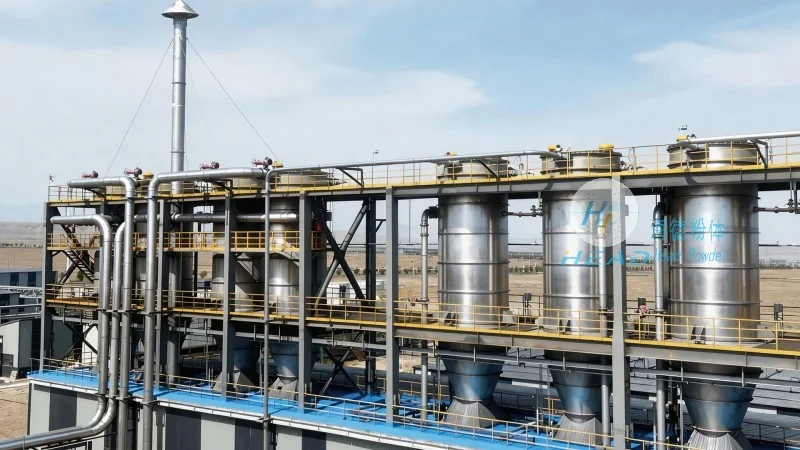
Key Factors in System Design
One of the first steps in designing a calcium nitrite pneumatic conveying system is selecting the appropriate system type. There are two main categories: positive pressure and negative pressure systems. Positive pressure systems use a blower to force air and material through the pipeline, while negative pressure systems use a vacuum to draw material into the system. The choice between these depends on the material characteristics, such as particle size, moisture content, and flowability, as well as the distance and layout of the conveying route. For calcium nitrite, which is typically a fine to medium powder with specific handling properties, the system design must account for its tendency to agglomerate or become sticky under certain conditions, ensuring that the chosen system can maintain consistent material flow without blockages.
Equipment Selection for Calcium Nitrite Conveying
For calcium nitrite, which is a relatively light powder with a specific gravity around 2.2, the selection of equipment is critical to ensure optimal performance. The headpowder team recommends using high-quality rotary airlocks and feeders to ensure consistent material flow and prevent material buildup. These components are designed to handle the unique characteristics of calcium nitrite, including its potential to agglomerate or become sticky under certain conditions. The rotary airlocks, in particular, are engineered to provide a tight seal and maintain a consistent air flow, preventing material leakage and ensuring smooth operation. Additionally, the blower or vacuum pump must be selected based on the system's required air volume and pressure, ensuring it can handle the material's specific gravity and particle size distribution. High-efficiency blowers are preferred to minimize energy consumption while maintaining sufficient pressure to convey the material over the required distance.

Pipeline Design and Layout Considerations
The design of the pipeline system is another crucial aspect of calcium nitrite pneumatic conveying. The pipeline should be sized appropriately to minimize pressure drop and ensure sufficient air velocity to keep the material in suspension. For calcium nitrite, which is a relatively light powder, a lower air velocity may be sufficient compared to denser materials, but it's essential to calculate the minimum velocity required to prevent settling. The pipeline layout should also consider the need for bends, elbows, and vertical sections, with appropriate fittings and valves to control flow and prevent material buildup. HeadPowder Engineering emphasizes the importance of proper pipeline design to ensure smooth and efficient operation, as improper sizing or layout can lead to increased energy consumption and reduced system lifespan. The use of smooth, corrosion-resistant materials for the pipeline, such as stainless steel or PVC, is also recommended to prevent material adhesion and ensure easy cleaning.

Control System Integration
Integrating a control system is vital for managing the calcium nitrite pneumatic conveying process effectively. Modern control systems can monitor key parameters such as pressure, flow rate, and material level, providing real-time feedback and automated adjustments. This helps maintain consistent performance and prevents issues like overloading or under-conveying. The control system should also include safety features, such as pressure relief valves and emergency shut-off mechanisms, to protect equipment and personnel from potential hazards associated with calcium nitrite handling. HeadPowder Engineering offers comprehensive control solutions tailored to the specific needs of calcium nitrite applications, ensuring both efficiency and safety. These systems can be integrated with existing plant controls to provide a seamless operation and reduce the need for manual intervention.

Maintenance and Operational Best Practices
Proper maintenance is essential to ensure the long-term reliability of a calcium nitrite pneumatic conveying system. Regular cleaning of the pipeline and equipment is necessary to prevent material buildup and maintain optimal performance. The rotary airlocks and feeders should be inspected and serviced periodically to ensure they are functioning correctly. Additionally, monitoring the system's performance over time can help identify potential issues before they become major problems. HeadPowder Engineering provides maintenance services and technical support to help clients optimize their calcium nitrite conveying systems and extend their operational life. Regular maintenance schedules, including component replacement and system checks, are recommended to ensure the system operates at peak efficiency and meets the required production targets.
Conclusion
Designing a reasonable calcium nitrite pneumatic conveying system requires a thorough understanding of the material's properties and the system's operational requirements. By considering key factors such as system type, equipment selection, pipeline design, and control integration, along with proper maintenance practices, businesses can achieve efficient and reliable material handling. Shandong HeadPowder Engineering Co., Ltd. offers expert guidance and tailored solutions to help clients design and implement effective calcium nitrite pneumatic conveying systems, ensuring optimal performance and long-term success.




