Long-distance material handling is a critical process in various industrial sectors, enabling the efficient movement of bulk materials over significant distances. This technology is essential for optimizing production lines, reducing labor costs, and improving overall operational efficiency. Understanding the working principles and characteristics of such systems is vital for businesses seeking to enhance their material handling capabilities.

Overview of Long-Distance Material Handling Systems
Long-distance material handling systems are designed to transport materials from one location to another, often covering distances ranging from several hundred meters to several kilometers. These systems are commonly used in industries such as mining, construction, agriculture, and manufacturing. The primary goal is to move large quantities of materials with minimal human intervention, ensuring consistent and reliable operation.
Working Principles of Long-Distance Material Handling
The working principles of long-distance material handling systems vary based on the type of equipment used. Common systems include belt conveyors, pneumatic conveying systems, and bucket elevators. Each system operates on a specific mechanism to ensure smooth material transport.
Belt Conveyors: The Foundation of Long-Distance Transport
Belt conveyors are among the most widely used long-distance material handling solutions. They operate by using a continuous belt loop that moves over rollers or pulleys. The material is placed on the belt at the loading point and is carried to the discharge point by the belt's movement. The speed and tension of the belt can be adjusted to accommodate different material types and distances. Belt conveyors are known for their high capacity, durability, and ability to handle a wide range of materials, including powders, granules, and bulk solids.

Pneumatic Conveying Systems: Air-Powered Material Transport
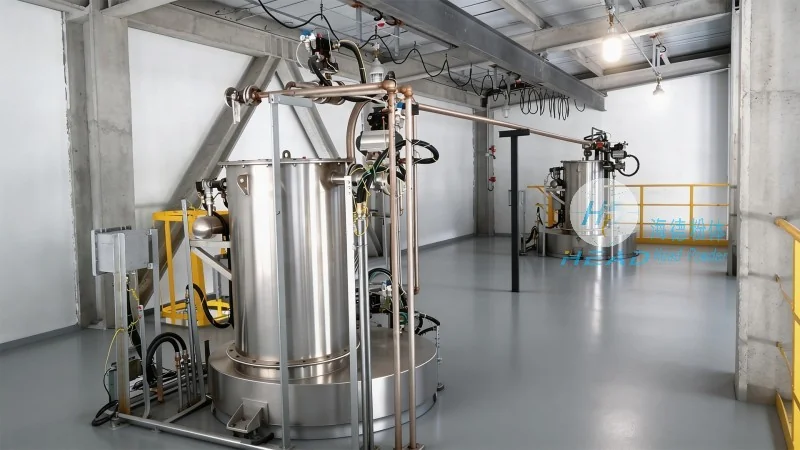
Pneumatic conveying systems use compressed air to transport materials through a pipeline. The material is carried by the air flow, which can be either positive or negative pressure. Positive pressure systems push the material through the pipeline using a blower, while negative pressure systems create a vacuum to draw the material. This method is ideal for handling fine powders and granules, as it minimizes dust and contamination. Pneumatic systems are particularly effective for long-distance transport due to their ability to maintain material integrity and reduce spillage.
Bucket Elevators: Vertical and Inclined Material Transport
Bucket elevators are designed to transport materials vertically or at an incline. They consist of a series of buckets attached to a belt or chain that moves within a casing. As the buckets move, they scoop up material at the bottom and discharge it at the top. This system is highly efficient for vertical transport and is commonly used in industries like cement, flour, and mining. Bucket elevators can handle a wide range of materials, from small particles to large lumps, and are known for their high capacity and low maintenance requirements.
Key Characteristics of Long-Distance Material Handling Systems
Long-distance material handling systems exhibit several key characteristics that make them suitable for various applications. These include high efficiency, reliability, and adaptability to different material types and operational conditions.

High Efficiency and Throughput
One of the primary characteristics of long-distance material handling systems is their high efficiency in moving large volumes of materials. Belt conveyors, for example, can transport thousands of tons of material per hour, while pneumatic systems can handle even higher capacities for fine powders. This efficiency is achieved through continuous operation and minimal downtime, which reduces production bottlenecks and increases overall productivity.
Reliability and Durability
Long-distance material handling systems are built to withstand harsh industrial environments and continuous operation. Components such as belts, pulleys, and pipelines are made from durable materials like steel, rubber, and plastic, ensuring long service life. Regular maintenance and proper design contribute to the reliability of these systems, minimizing breakdowns and ensuring consistent performance.
Adaptability to Material Types
Another important characteristic is the adaptability of long-distance material handling systems to different material types. Belt conveyors can handle a wide range of materials, from free-flowing powders to heavy lumps. Pneumatic systems are particularly effective for fine powders and granules, while bucket elevators are suitable for both fine and coarse materials. This adaptability allows businesses to choose the most appropriate system for their specific material handling needs.
Energy Efficiency and Cost-Effectiveness
Modern long-distance material handling systems are designed to be energy-efficient, reducing operational costs. Belt conveyors, for instance, use minimal energy compared to other transport methods, while pneumatic systems can be optimized to use compressed air efficiently. The low labor requirements and high throughput of these systems also contribute to cost savings, making them a cost-effective solution for long-distance material transport.
Applications and Industries
Long-distance material handling systems are widely used across various industries, each with specific requirements. In the mining industry, these systems are used to transport ore from mines to processing plants. In construction, they help move sand, gravel, and other building materials to job sites. In agriculture, they are used to transport grains and other agricultural products from fields to storage facilities. The versatility of these systems makes them indispensable in modern industrial operations.
Conclusion
Long-distance material handling systems are essential for efficient and reliable transport of bulk materials over significant distances. By understanding the working principles and characteristics of these systems, businesses can select the most appropriate solution for their needs. With advancements in technology, these systems continue to evolve, offering higher efficiency, better reliability, and lower operational costs. Companies like Shandong HeadPowder Engineering Co., Ltd., based in China, specialize in designing and manufacturing such systems, providing tailored solutions to meet the diverse needs of their clients.




