Casting sand is a fundamental material in the foundry industry, serving as the core component for creating molds and cores. The efficient handling and transportation of casting sand are crucial for maintaining production efficiency, ensuring product quality, and reducing operational costs. Material handling equipment specifically designed for casting sand plays a pivotal role in this process, enabling seamless movement of the material from storage to processing points. This article explores the key aspects of casting sand material handling equipment, delving into their design principles and operational applications.

Key Design Principles for Casting Sand Material Handling Equipment
The design of casting sand material handling equipment is guided by several critical principles to ensure optimal performance and durability. First, the equipment must be constructed from materials that can withstand the abrasive nature of casting sand, which often contains silica and other hard particles. High-strength steel, corrosion-resistant alloys, and wear-resistant coatings are commonly used to extend the equipment's lifespan and minimize maintenance requirements. Second, the design emphasizes efficiency in material flow, minimizing friction and energy consumption. This is achieved through features such as smooth belt surfaces, properly sized conveying angles, and optimized drive systems. Third, safety is a paramount consideration, with designs incorporating protective guards, emergency stop mechanisms, and load-bearing structures that can handle the weight and pressure of the sand. Additionally, the equipment must be easy to maintain, with accessible components for cleaning, lubrication, and replacement of worn parts. These principles collectively ensure that the equipment operates reliably and consistently, supporting the demands of high-volume casting operations.
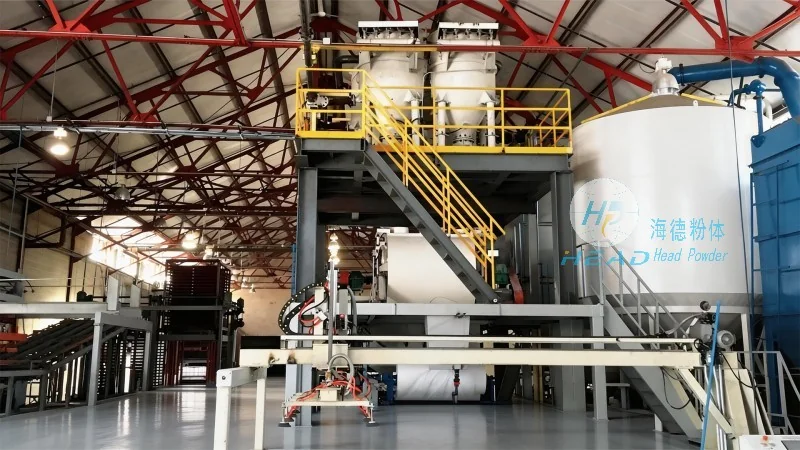
Types of Casting Sand Material Handling Equipment
There are several types of equipment commonly used for casting sand handling, each suited to different operational needs. The most prevalent is the belt conveyor, which uses a continuous belt to transport sand horizontally or at a slight incline. Belt conveyors are ideal for long-distance transport and can handle large volumes of material with minimal maintenance. Another common type is the screw conveyor, or auger, which uses a rotating screw to push sand forward. Screw conveyors are well-suited for vertical or inclined transport and can be enclosed to contain dust and prevent material loss. Vibrating conveyors are also used, particularly for handling fine or powdery sand, as they use vibrations to move material along a trough. Each type of equipment is designed with specific parameters, such as belt speed, screw diameter, and trough angle, to optimize performance for particular applications.

Design Parameters and Operational Considerations
The design of casting sand material handling equipment involves careful consideration of several parameters to ensure it meets the specific requirements of a foundry. The capacity of the equipment, measured in tons per hour (tph), is a critical factor, as it must match the production rate of the casting process. The belt width or screw diameter is determined based on the volume of sand to be transported, with larger dimensions required for higher capacities. The speed of the conveyor or screw is adjusted to control the flow rate, preventing overloading or underloading of the system. The angle of inclination is also important, as it affects the material's movement and the equipment's efficiency. For example, a steeper angle may be used for vertical transport but requires more power to overcome gravity. Additionally, the equipment's structure must be robust enough to handle the weight of the sand and any additional loads, such as hoppers or feeders. The use of heavy-duty bearings and drive systems ensures smooth operation and reduces the risk of breakdowns. These design parameters are tailored to the specific characteristics of the casting sand, including its moisture content, particle size, and density, to achieve optimal performance.
About Shandong HeadPowder Engineering Co., Ltd.
Shandong HeadPowder Engineering Co., Ltd., commonly known as HeadPowder, is a leading manufacturer of specialized material handling equipment for the foundry industry. With a strong focus on innovation and quality, HeadPowder has established itself as a trusted partner for foundries worldwide. The company's product line includes a wide range of casting sand handling equipment, such as belt conveyors, screw conveyors, and vibrating feeders, all designed to meet the unique needs of casting operations. HeadPowder's equipment is engineered with durability and efficiency in mind, using high-quality materials and advanced manufacturing techniques to ensure long-term performance. The company also provides customized solutions, tailoring equipment to specific production requirements and facility layouts. HeadPowder's commitment to customer satisfaction and technical excellence has made it a preferred choice for foundries seeking reliable and effective material handling solutions.

Conclusion
Casting sand material handling equipment is a critical component of modern foundry operations, enabling the efficient and safe transport of casting sand. The design principles behind these equipment, including material selection, flow optimization, and safety features, are essential for ensuring optimal performance and longevity. Companies like Shandong HeadPowder Engineering Co., Ltd. play a vital role in providing high-quality, customized equipment that meets the demands of the foundry industry. By understanding the design and operational aspects of casting sand material handling equipment, foundries can enhance their productivity, improve product quality, and reduce operational costs. The continued development of advanced materials and design techniques will further improve the efficiency and reliability of these systems, supporting the growth and success of the foundry sector.




