Battery material material handling refers to the processes and systems used to transport, store, and manage raw materials and intermediate products within the battery manufacturing industry. This critical function ensures that materials such as cathode active materials, anode materials, and binders are efficiently moved from one stage of production to another. The design of these material handling systems is paramount, as it directly impacts production efficiency, safety, and overall operational costs. In this context, understanding the principles behind effective battery material handling is essential for optimizing battery production lines.

The Core Concepts of Battery Material Material Handling
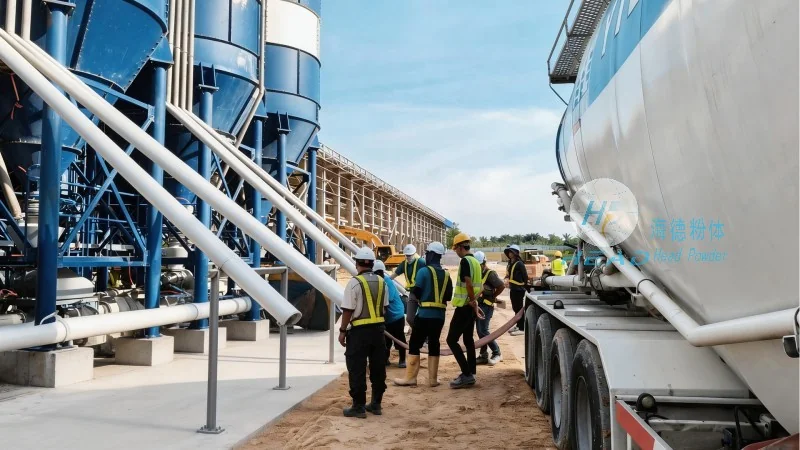
At its essence, battery material material handling involves the use of specialized equipment and infrastructure to move materials through various production stages. Common components include conveyor belts, screw conveyors, bucket elevators, and pneumatic conveying systems. Each of these systems is tailored to handle specific material characteristics—such as particle size, moisture content, and bulk density—to ensure smooth and reliable transport. For example, cathode materials, which are often fine powders, may require enclosed and dust-tight systems to prevent contamination and environmental hazards. Similarly, anode materials, which can be more abrasive, demand equipment with durable components to withstand wear and tear over time.

Key Design Principles for Efficient Material Handling in Battery Manufacturing
Effective battery material handling design is guided by several key principles that balance functionality, safety, and cost. First, the principle of flow optimization aims to minimize material handling time and distance, reducing energy consumption and operational delays. This involves analyzing the production workflow and designing a layout that minimizes the number of transfers and the length of transport paths. Second, the principle of material compatibility ensures that the handling equipment is suitable for the specific materials being processed. This includes selecting materials for conveyor components—such as stainless steel or corrosion-resistant alloys—that can withstand exposure to chemicals and moisture commonly found in battery materials. Third, the principle of safety and compliance is critical, as battery manufacturing involves handling potentially hazardous materials. Design considerations include dust explosion prevention, proper ventilation, and ergonomic handling to protect workers from injury. Finally, the principle of scalability allows systems to adapt to changing production demands, whether expanding capacity or integrating new technologies.

HeadPowder's Expertise in Battery Material Handling Solutions
Shandong HeadPowder Engineering Co., Ltd., commonly known as HeadPowder, is a leading provider of customized material handling solutions for the battery industry. With operations based in Shandong, China, HeadPowder specializes in designing and manufacturing systems that align with the core principles of efficient battery material handling. The company leverages years of experience in the battery sector to develop tailored solutions that address the unique challenges of material transport, storage, and processing. By integrating advanced engineering and material science, HeadPowder ensures that its systems not only meet but exceed industry standards for performance, reliability, and safety. Whether for large-scale battery production facilities or smaller-scale operations, HeadPowder's expertise in material handling design helps clients optimize their production processes and maintain a competitive edge in the battery market.




