Rice Grain Conveying Methods: An Overview of the Advantages and Features of Pneumatic Conveying
Release time:2026-09-10 19:59:32
name of the company:Shandong Headpowder Engineering Co., Ltd.
telephone:156-6277-7102
contacts:Zhang manager
When it comes to the efficient handling and transportation of rice grain, selecting the right conveying method is crucial for optimizing processing efficiency and maintaining product quality. Various methods are available, each with its own set of characteristics and applications. This article explores the different rice grain conveying methods, with a particular focus on the advantages and features of pneumatic conveying systems, as presented by Shandong HeadPowder Engineering Co., Ltd., a leading provider in the field.

Traditional Conveying Methods vs. Pneumatic Conveying
Traditional rice grain conveying methods often include mechanical systems such as belt conveyors, screw conveyors, and bucket elevators. While these methods have been widely used in the industry, they may present challenges related to product contamination, maintenance requirements, and operational flexibility. In contrast, pneumatic conveying offers a more hygienic and versatile solution for rice grain handling.

The Advantages of Pneumatic Conveying for Rice Grain
Shandong HeadPowder Engineering Co., Ltd. specializes in the design and implementation of pneumatic conveying systems tailored for rice grain processing. The key advantages of this technology include:
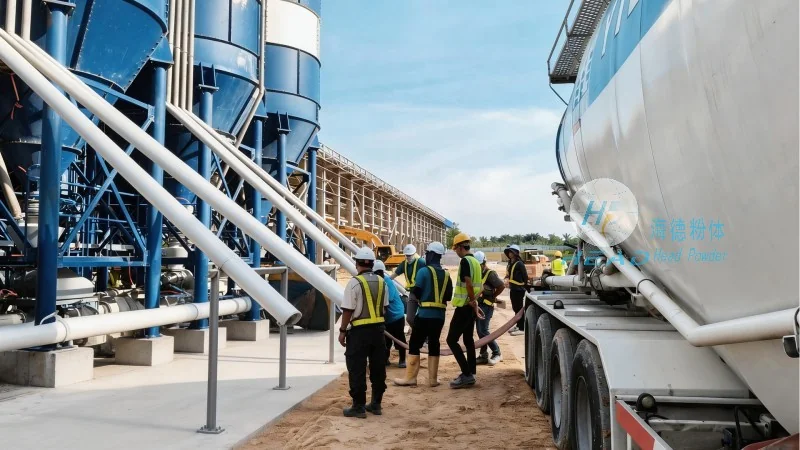
- Hygienic and Clean Operation: Pneumatic conveying systems use enclosed pipelines, minimizing the risk of product contamination from external sources. This is particularly important for rice grain, which is sensitive to moisture and contaminants that can affect its quality and market value.
- Reduced Product Damage: Unlike mechanical conveyors that may cause abrasion or impact damage to rice grains, pneumatic systems use air to gently transport materials, preserving the integrity of the grain and reducing breakage.
- Flexibility in Layout: Pneumatic conveying allows for flexible system layouts, enabling the integration of multiple processing stages without the need for complex reconfigurations. This adaptability is beneficial for facilities that require changes in production capacity or workflow.
- Energy Efficiency: Modern pneumatic conveying systems are designed to be energy-efficient, utilizing compressed air in a controlled manner to minimize operational costs while maintaining high conveying rates.
- Easy Integration with Processing Equipment: The systems can be seamlessly integrated with other processing equipment, such as cleaners, sorters, and packaging machines, creating a streamlined production line for rice grain processing.
Key Features of Pneumatic Conveying Systems
Shandong HeadPowder Engineering Co., Ltd. offers advanced pneumatic conveying solutions that incorporate several key features to enhance performance and reliability:

- Customized System Design: Each system is tailored to the specific needs of the rice grain processing facility, considering factors such as grain type, processing capacity, and operational environment.
- High Conveying Capacity: The systems are engineered to handle large volumes of rice grain efficiently, ensuring that production lines can operate at optimal speeds without bottlenecks.
- Low Maintenance Requirements: The use of durable materials and robust components reduces the need for frequent maintenance, minimizing downtime and operational costs.
- Advanced Control Systems: Integrated control systems allow for precise monitoring and adjustment of conveying parameters, ensuring consistent performance and product quality.
Conclusion
For rice grain processing facilities seeking to improve efficiency, maintain product quality, and reduce operational costs, pneumatic conveying systems offer a superior solution. Shandong HeadPowder Engineering Co., Ltd. provides expert consultation and customized solutions to meet the unique requirements of rice grain handling, ensuring that facilities can achieve optimal performance and competitive advantages in the market.




