For the transportation of bicarbonate of soda, also known as sodium bicarbonate, various methods are employed depending on the specific requirements of the application, the scale of operation, and the physical properties of the material. These methods are designed to ensure efficient, safe, and cost-effective movement of the material from its source to the point of use. The following sections outline the primary methods used for bicarbonate of soda transportation, detailing their characteristics, advantages, and typical applications. This information is provided by Shandong HeadPowder Engineering Co., Ltd., a leading manufacturer specializing in bulk material handling solutions, with operations based in Shandong, China.
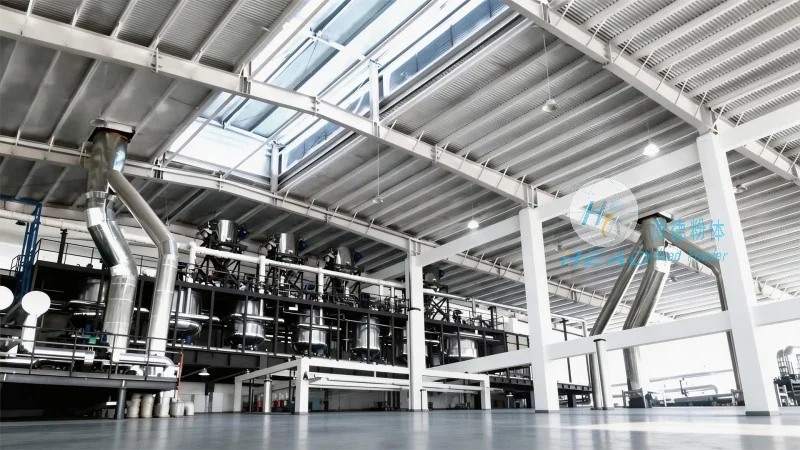
1. Pneumatic Conveying Systems
Pneumatic conveying, or air-based transport, is a common method for moving bicarbonate of soda, especially in bulk quantities. This system uses compressed air to create a flow that carries the powder through a pipeline. There are two main types: pressure and vacuum systems. Pressure systems use positive pressure to push the material forward, while vacuum systems use negative pressure to pull it. The choice between these depends on factors such as the distance to be covered, the height of the vertical lift, and the material's flow characteristics. Pneumatic conveying is particularly effective for materials that are prone to caking or require minimal contact with equipment, as it minimizes the risk of contamination and degradation. It is widely used in industries like food processing, pharmaceuticals, and chemical manufacturing where hygiene and product purity are critical.
2. Mechanical Conveying Systems
Mechanical conveying methods rely on mechanical components to move bicarbonate of soda. These include screw conveyors, belt conveyors, and bucket elevators. Screw conveyors, also known as augers, use a rotating screw to push the material along a trough. They are suitable for horizontal or slight incline transport and are ideal for handling dry, free-flowing powders. Belt conveyors use a continuous belt to transport the material, often in combination with hoppers or chutes to direct the flow. This method is versatile and can be used for both short and long distances, making it suitable for various industrial settings. Bucket elevators, on the other hand, are designed for vertical transport, lifting the material from lower to higher levels. They are particularly useful when the material needs to be elevated to a different floor or level in a facility. Mechanical conveyors are generally more cost-effective for shorter distances and lower volumes compared to pneumatic systems, and they are less dependent on compressed air infrastructure.

3. Pumping Systems
Pumping systems are employed when bicarbonate of soda is transported in a slurry or solution form. This method involves using pumps, such as centrifugal or positive displacement pumps, to move the liquid mixture containing the bicarbonate. The slurry is typically created by mixing the powder with water or another liquid to achieve a consistent consistency. Pumping is commonly used in processes where the material needs to be transported through long pipelines or over significant distances, such as in industrial plants or for distribution to multiple locations. This method allows for continuous and controlled flow, ensuring that the material reaches its destination without interruption. However, it requires careful management of the slurry's viscosity and the pump's maintenance to prevent clogging or damage.

4. Bulk Handling and Storage Solutions
Effective transportation of bicarbonate of soda also involves proper bulk handling and storage solutions. This includes the use of silos, hoppers, and storage tanks to store the material before it is transported. Silos are large, vertical containers that store bulk materials and can be equipped with discharge systems to facilitate loading into transport vehicles or conveyors. Hoppers are used to control the flow of material from storage to processing equipment, ensuring a steady supply. Storage tanks, especially for liquid or slurry forms, are designed to maintain the material's quality and prevent contamination. Proper storage solutions are crucial for maintaining the material's properties, such as its reactivity and purity, which are essential for its use in various applications. The selection of storage equipment depends on factors like the material's flowability, the storage capacity required, and the environmental conditions of the facility.

5. Integration with Processing and Packaging
The transportation of bicarbonate of soda is often integrated with the subsequent processing and packaging stages. For example, after being transported to a processing facility, the material may be used in chemical reactions, food production, or pharmaceutical manufacturing. The transportation method must align with the requirements of these downstream processes. In food processing, for instance, the material may be used as a leavening agent or preservative, and the transportation system must ensure that it remains free from contaminants and maintains its quality. Packaging systems, such as bagging or bulk containers, are then used to package the material for distribution to end-users. The integration of transportation with processing and packaging ensures a seamless flow of operations, from raw material to finished product. This approach minimizes handling and reduces the risk of material loss or degradation during the transition between stages.
6. Considerations for Safe and Efficient Transportation
When selecting a transportation method for bicarbonate of soda, several factors must be considered to ensure safety and efficiency. These include the material's physical properties, such as its density, flowability, and tendency to caking, as well as the distance and height of the transport. The choice of equipment must also consider the potential for dust generation and the need for containment to prevent environmental contamination. For example, pneumatic systems may require dust collection and filtration to comply with environmental regulations. Mechanical conveyors may need to be equipped with sealing mechanisms to prevent material leakage. Additionally, the system must be designed to handle variations in material feed, such as fluctuations in supply or changes in moisture content. Regular maintenance and monitoring of the transportation system are essential to ensure consistent performance and to prevent downtime or accidents. By carefully evaluating these factors, companies can select the most appropriate transportation method for their specific needs, optimizing both efficiency and safety.




