Metallurgical coal powder conveying is a critical process in the metallurgical industry, ensuring the efficient and safe transport of coal powder from storage to processing units. The choice of conveying method depends on factors such as material properties, distance, and environmental requirements. Various technologies are employed to meet these needs, each with its own advantages and applications.

Common Conveying Methods for Metallurgical Coal Powder
There are several established methods for conveying metallurgical coal powder, each suited to different operational scenarios. The primary methods include pneumatic conveying, mechanical conveying, and hybrid systems. Pneumatic conveying uses air or other gases to transport powder through pipelines, while mechanical conveying relies on equipment like screw conveyors, belt conveyors, and bucket elevators. Hybrid systems combine elements of both pneumatic and mechanical methods to optimize performance.
Pneumatic Conveying Systems
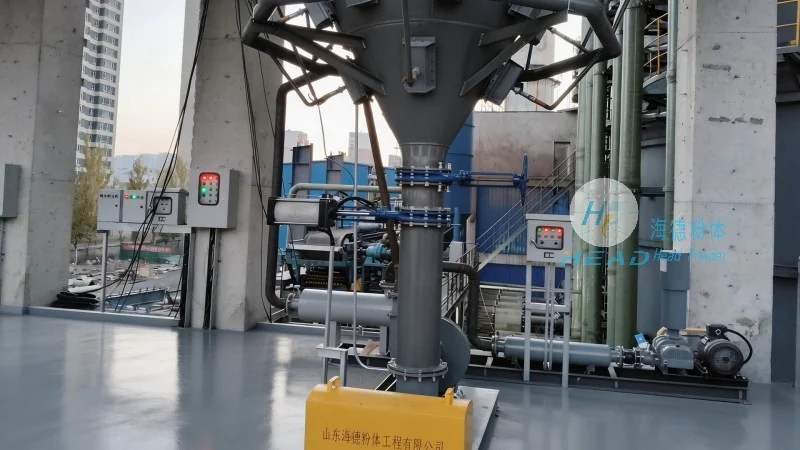
Pneumatic conveying is widely used for metallurgical coal powder due to its ability to handle fine powders and operate over long distances. This method involves transporting the powder in a sealed pipeline using compressed air. There are two main types: dilute-phase and dense-phase pneumatic conveying. Dilute-phase systems are suitable for short to medium distances and low to medium particle sizes, while dense-phase systems are ideal for longer distances and more abrasive materials. The system typically includes a hopper, a feeder, a pipeline, and a receiver. The feeder controls the flow rate of the coal powder, and the compressed air propels the material through the pipeline. The receiver collects the material at the destination. Pneumatic conveying offers advantages such as low maintenance, minimal product degradation, and the ability to handle multiple materials in the same line. However, it requires careful design to prevent blockages and ensure consistent air flow. The system is particularly effective for transporting coal powder to furnaces, kilns, or other processing equipment.
Mechanical Conveying Systems
Mechanical conveying methods are commonly used for bulk coal powder transport, especially over shorter distances or in environments where pneumatic systems are not feasible. Screw conveyors are a popular choice for horizontal or slight incline transport. They consist of a rotating screw inside a trough, which pushes the powder forward. Screw conveyors are suitable for handling dry, free-flowing powders and can be easily integrated with other equipment. Belt conveyors are another option, often used for horizontal or gentle incline transport over longer distances. They consist of a continuous belt that moves the powder along a frame. Belt conveyors are capable of handling large volumes and can be equipped with idlers and pulleys to adjust the incline. Bucket elevators are used for vertical transport, with buckets attached to a chain or belt that lifts the powder from a lower to a higher level. Mechanical conveyors are generally more cost-effective for short distances and can handle larger particle sizes compared to pneumatic systems. However, they may require more maintenance and can cause more product degradation due to friction and impact.
Hybrid Conveying Systems
Hybrid systems combine the benefits of pneumatic and mechanical conveying to address specific operational challenges. For example, a system might use a mechanical conveyor to transport coal powder from a storage silo to a pneumatic feeder, then use pneumatic transport to move the powder to the processing unit. This approach allows for efficient handling of both bulk and fine powders, optimizing energy consumption and material flow. Hybrid systems are particularly useful in complex industrial settings where multiple materials or processing stages are involved. They can also help reduce the risk of blockages and improve overall system reliability. The design of hybrid systems requires careful consideration of the material properties, distance, and processing requirements to ensure optimal performance.

Key Considerations for Metallurgical Coal Powder Conveying
When selecting a conveying method for metallurgical coal powder, several factors must be considered to ensure efficiency and safety. The first consideration is the material properties, including particle size, moisture content, and abrasiveness. These factors affect the choice of equipment and system design. For example, fine and abrasive powders may require dense-phase pneumatic conveying or specialized mechanical components to prevent wear and blockages. The second consideration is the distance and layout of the conveying system. Short distances may be suitable for mechanical conveyors, while long distances or complex layouts may require pneumatic systems. The third consideration is environmental and safety requirements. Pneumatic systems can help minimize dust emissions and improve workplace safety, which is crucial in metallurgical operations. The fourth consideration is cost and maintenance. Mechanical systems may have lower initial costs but higher maintenance requirements, while pneumatic systems may have higher initial costs but lower maintenance. The choice of system should balance these factors to meet the specific needs of the operation.
Conclusion
Metallurgical coal powder conveying is a vital process in the metallurgical industry, and the choice of conveying method is critical to ensuring efficient and safe operation. Pneumatic, mechanical, and hybrid systems each offer unique advantages and are suited to different operational scenarios. By carefully considering material properties, distance, and operational requirements, metallurgical facilities can select the most appropriate conveying system. The use of advanced technology and proper system design can help optimize performance, reduce costs, and improve safety. As the metallurgical industry continues to evolve, the development of new conveying technologies will further enhance the efficiency and reliability of coal powder transport. For companies seeking reliable solutions for metallurgical coal powder conveying, Shandong HeadPowder Engineering Co., Ltd. offers expertise and customized systems to meet their specific needs. With a focus on quality and performance, HeadPowder provides solutions that enhance operational efficiency and ensure the safe transport of coal powder in metallurgical applications.




