Denitrator agents are essential in industrial processes, particularly in power generation and chemical manufacturing, where they help reduce nitrogen oxides emissions. The efficient delivery of these agents is crucial for maintaining optimal performance and meeting environmental standards. This article examines the various methods used for denitrator agent delivery, focusing on the key considerations and applications in industrial settings.

Overview of Denitrator Agent Delivery Systems
Denitrator agents, such as urea or aqueous ammonia solutions, are typically stored in bulk containers and require specialized systems to transport them to the point of use. The choice of delivery method depends on factors like the agent's physical properties, the distance to the application point, and the required flow rate. Common methods include pressure-driven systems, gravity-fed systems, and pump-based systems, each with distinct advantages and limitations.
Pressure-Driven Delivery Systems
Pressure-driven systems are widely used for denitrator agent delivery due to their ability to maintain consistent flow rates over long distances. These systems consist of a storage tank with a pressure regulator and a delivery pump. The agent is pressurized and transported through pipelines to the injection point. Positive displacement or diaphragm pumps generate the necessary pressure, ensuring efficient atomization or mixing. This method is ideal for large-scale power plants where high flow rates and stable pressure are required.

Gravity-Fed Delivery Systems
Gravity-fed systems rely on gravity to transport denitrator agents from a higher elevation storage tank to the application point. The system is simple and cost-effective, requiring minimal energy. However, it is limited by the vertical distance between the tank and injection point and the agent's viscosity. These systems are commonly used in smaller-scale applications or where the distance is short. They include a storage tank, flow control valve, and appropriately sized pipeline to ensure smooth flow.
Pump-Based Delivery Systems
Pump-based systems use mechanical pumps to deliver denitrator agents. Types include centrifugal pumps (for high flow), diaphragm pumps (for low flow/high pressure), and metering pumps (for precise dosing). The choice depends on flow rate, pressure, and dosing accuracy. Centrifugal pumps handle wide viscosity ranges, while metering pumps ensure consistent chemical concentration. These systems are critical for applications needing exact agent delivery, such as industrial emission control.

Key Considerations for Delivery
When selecting a delivery method, several factors must be evaluated. The agent's viscosity, density, and corrosiveness dictate equipment and materials. Long distances or elevation changes may require pressure-driven systems or additional pumping stages. The required flow rate and pressure at the injection point must match system capabilities. Safety is also paramount, as denitrator agents can be toxic or cause leaks, necessitating proper equipment design and maintenance.
Application Examples
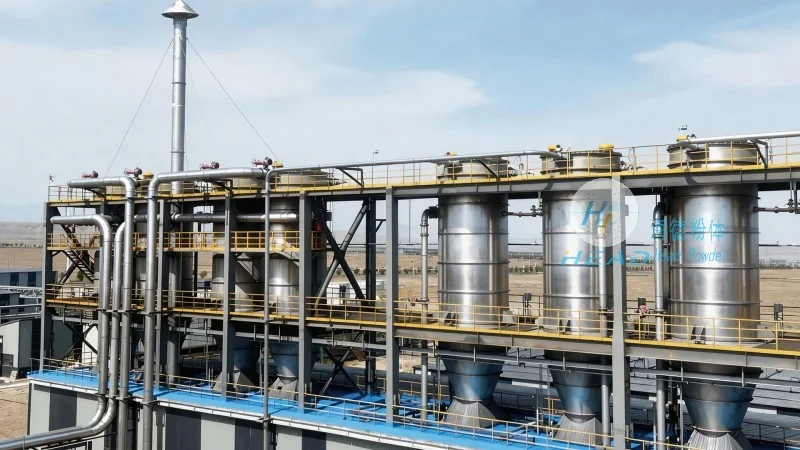
Denitrator agent delivery systems are used in power generation to reduce nitrogen oxides from flue gas. In chemical manufacturing, they control emissions from reactors or distillation units. The systems must handle varying temperatures or aggressive environments, requiring specialized pump designs. For instance, in SNCR (Selective Non-Catalytic Reduction) processes, precise urea delivery ensures effective emission reduction. These applications highlight the importance of reliable delivery systems in industrial sustainability efforts.
Conclusion
Efficient denitrator agent delivery is vital for industrial emission control. The choice of system—pressure-driven, gravity-fed, or pump-based—depends on specific application needs. Proper design and maintenance ensure consistent performance and compliance with environmental regulations. As industries advance, developing advanced delivery technologies will continue to support sustainable practices and reduce nitrogen oxides emissions globally.




