For industrial applications involving the handling and transportation of crystalline materials, understanding the available methods is crucial for optimizing efficiency and safety. The methods of crystal transport vary based on the properties of the crystals, the scale of operation, and the specific requirements of the process. Here, we explore the primary approaches used in the industry, with a focus on practical applications and system considerations.

1. Mechanical Conveying Systems
Mechanical conveying systems are among the most common methods for transporting crystalline materials. These systems utilize machinery such as screw conveyors, belt conveyors, and bucket elevators to move crystals from one location to another. Screw conveyors, for instance, are particularly effective for handling free-flowing crystals and can be customized with different screw designs to accommodate various particle sizes and shapes. Belt conveyors are ideal for transporting larger or bulkier crystals over longer distances, providing a continuous and reliable flow. Bucket elevators are used when vertical transport is required, lifting crystals from lower to higher levels with minimal spillage. Mechanical conveyors offer advantages like low maintenance, high capacity, and the ability to operate in various environments, making them suitable for both small-scale and large-scale operations. Companies like Shandong HeadPowder Engineering Co., Ltd. often design these systems to integrate seamlessly with existing processing lines, ensuring smooth material flow.
2. Pneumatic Conveying Systems
Pneumatic conveying systems use air or other gases to transport crystalline materials. This method is particularly useful for handling fine or dusty crystals that might be difficult to handle with mechanical systems. There are two main types of pneumatic conveyors: dilute-phase and dense-phase. Dilute-phase systems use low-pressure air to create a cloud of crystals suspended in the air, moving them through pipes. Dense-phase systems, on the other hand, use higher pressure to push a dense stream of crystals through the system, reducing the risk of clogging and ensuring a more controlled flow. Pneumatic conveying offers advantages like the ability to transport materials over long distances, the flexibility to handle different types of crystals, and the option to integrate with other processing equipment. However, it requires careful design to prevent material degradation and to ensure efficient air usage.

3. Hydraulic Conveying Systems
Hydraulic conveying systems utilize water or other liquids to transport crystalline materials. This method is often used for materials that are difficult to handle dry, such as those with high moisture content or those that are prone to dusting. The crystals are suspended in the liquid and transported through pipes, similar to how slurry is handled. Hydraulic systems can be effective for transporting large volumes of material over long distances, especially in applications where the material needs to be mixed with water or other additives. However, they require more complex equipment and maintenance compared to mechanical or pneumatic systems, and the disposal of the liquid slurry after transport may pose environmental considerations.
4. Gravity-Based Conveying Systems
Gravity-based conveying systems rely on the natural force of gravity to move crystalline materials. These systems typically involve chutes or inclined planes that allow crystals to slide or roll from a higher to a lower level. This method is simple and cost-effective for transporting materials over short distances where the topography allows for it. Gravity conveyors are particularly useful for handling bulkier crystals that do not require mechanical assistance to move. However, they are limited by the need for a suitable slope and are not suitable for vertical or long horizontal distances. They are often used in combination with other systems to assist in the final stages of material transport.
5. Vacuum Conveying Systems
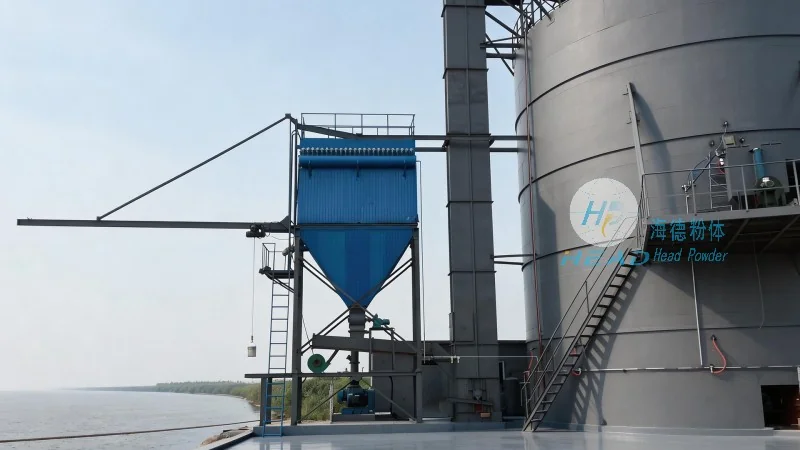
Vacuum conveying systems use a vacuum to draw crystalline materials into a collection container or transport them through a system. This method is ideal for handling fine or powdery crystals that are prone to dusting or clogging in other systems. The vacuum creates a negative pressure that pulls the crystals through the system, ensuring a clean and efficient transfer. Vacuum conveyors are often used in applications where the material needs to be transported from a source to a processing unit without the need for mechanical contact. They offer advantages like the ability to handle delicate or fragile crystals and the flexibility to transport materials over moderate distances. However, they may require more energy compared to some other systems and may not be suitable for very large or heavy crystals.

6. Specialized Conveying Methods
In addition to the common methods mentioned above, specialized conveying systems are used for specific types of crystalline materials or applications. For example, vibrating conveyors use vibrations to move crystals along a trough, which is effective for handling sticky or cohesive crystals. Magnetic conveyors are used for materials that are magnetic, allowing them to be moved using magnetic fields. These specialized systems are designed to address the unique challenges posed by certain crystal properties, ensuring efficient and safe transport.
When selecting a method for crystal transport, it is essential to consider factors such as the crystal's size, shape, moisture content, and flowability, as well as the distance and elevation changes required. Each method has its own advantages and limitations, and the choice of system should be tailored to the specific needs of the operation. By understanding the available options and their characteristics, industrial facilities can choose the most appropriate method to ensure efficient and reliable crystal transport. Shandong HeadPowder Engineering Co., Ltd. provides expertise in designing and implementing these systems to meet the diverse needs of their clients, ensuring optimal performance and safety in crystal handling processes.




