When designing a pneumatic conveying system for corundum, several critical factors must be considered to ensure efficient operation, reliability, and cost-effectiveness. Corundum, a high-purity form of aluminum oxide, is widely used in industrial applications such as refractory materials, abrasives, and ceramics. The design of a pneumatic conveying system for this material requires a deep understanding of its physical properties, flow characteristics, and the specific requirements of the end-use application.

Key Design Considerations for Corundum Pneumatic Conveying
One of the primary considerations is the material's particle size and density. Corundum particles typically range from fine powders to coarse granules, with densities around 3.95 g/cm³. The particle size distribution directly impacts the air velocity and pressure required for effective transport. Fine particles may require higher air velocities to prevent clogging, while larger particles might need lower velocities to avoid excessive wear on system components. The design must account for these variations to maintain consistent flow rates and prevent system blockages.
Another crucial factor is the system's pressure and air flow rate. Corundum is a relatively abrasive material, which means that the conveying pipeline, valves, and other components must be constructed from durable materials like stainless steel or special alloys to withstand wear and tear. The air pressure and flow rate are carefully calculated based on the material's bulk density, particle size, and the distance the material needs to travel. Proper sizing of the air compressor and ductwork is essential to ensure that the system operates within optimal parameters, minimizing energy consumption and maximizing throughput.
Material Handling and Equipment Selection
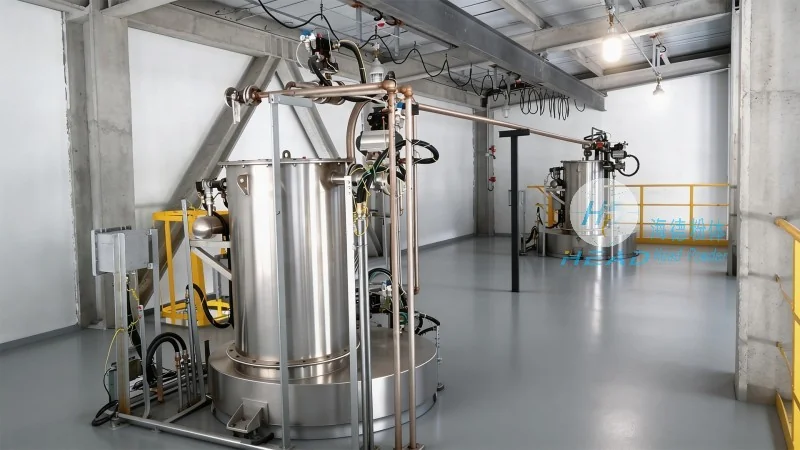
The choice of equipment for a corundum pneumatic conveying system is critical to its performance. The system typically includes a hopper for material storage, a feeder to control the flow rate, a conveying line with appropriate fittings and valves, and a receiver for the discharged material. The hopper must be designed to prevent material bridging or segregation, which can lead to uneven flow and system inefficiencies. A well-designed hopper with proper aeration or vibration may be necessary to ensure consistent material discharge. The feeder, such as a rotary valve or a star feeder, must be capable of handling abrasive materials without excessive wear, maintaining accurate flow control. The conveying line should be sized to accommodate the air velocity and particle size, with appropriate bends and fittings to minimize pressure drop and prevent particle deposition.
System Integration and Control
Effective control of the pneumatic conveying system is essential for maintaining operational efficiency and preventing damage to equipment. Modern systems often incorporate advanced control systems that monitor pressure, flow rate, and material level in real-time. These controls can adjust air pressure and flow rate automatically based on the material feed rate, ensuring that the system operates at optimal conditions. The integration of sensors and automation helps to detect and respond to issues such as clogging or pressure drops promptly, reducing downtime and maintenance costs. Proper system integration also includes considerations for safety, such as explosion-proof designs for handling potentially flammable materials or dust, although corundum itself is non-flammable, proper ventilation and dust collection systems are still necessary to maintain a safe working environment.
Maintenance and Longevity
Regular maintenance is vital to the longevity and reliability of a corundum pneumatic conveying system. Abrasive materials like corundum can cause significant wear on components, especially in the conveying line, valves, and feeder mechanisms. Routine inspections and replacement of worn parts, such as liners, seals, and bearings, are necessary to prevent system failures. The use of high-quality, wear-resistant materials for system components can extend the system's lifespan and reduce maintenance frequency. Additionally, proper cleaning and maintenance of the system, including regular removal of accumulated material from the hopper and conveying line, helps to prevent clogging and maintain consistent performance. A well-maintained system not only ensures reliable operation but also reduces long-term operational costs.

Environmental and Safety Considerations
While corundum is non-flammable, the handling of fine powders can create dust that may pose health risks if not properly managed. The design of the system should include effective dust collection and ventilation systems to minimize airborne dust and ensure a safe working environment. Proper sealing of the system components and the use of dust filters can help to prevent dust emissions and comply with environmental regulations. Safety considerations also include the prevention of material buildup in the conveying line, which can lead to pressure buildup and potential hazards. Regular cleaning and maintenance of the system help to mitigate these risks and ensure safe operation.
Conclusion
Designing a pneumatic conveying system for corundum requires careful consideration of material properties, system pressure and flow, equipment selection, control systems, maintenance, and safety. By addressing these factors, engineers can develop a system that is efficient, reliable, and cost-effective, meeting the specific needs of industrial applications. The expertise of companies like Shandong HeadPowder Engineering Co., Ltd., with their focus on high-quality engineering solutions, plays a crucial role in ensuring that these systems are designed and implemented to optimal standards.




