HeadPowder, a leading provider of industrial solutions, specializes in the design, manufacturing, and implementation of dry material pneumatic conveying systems. These systems are crucial for efficiently transporting bulk dry materials in various industrial applications, ensuring reliability, safety, and cost-effectiveness. This article delves into the operation process and working principle of such systems, highlighting the technical aspects and practical applications.

Overview of Dry Material Pneumatic Conveying Systems
Dry material pneumatic conveying systems are engineered to transport dry bulk materials, such as powders, granules, and fine particles, from one location to another using a pressurized or vacuum air stream. The primary goal is to achieve seamless material transfer while maintaining product integrity, minimizing contamination, and optimizing operational efficiency. These systems are widely used in industries like pharmaceuticals, food processing, chemicals, and mining, where precise and controlled material handling is essential.
Key Components of a Pneumatic Conveying System
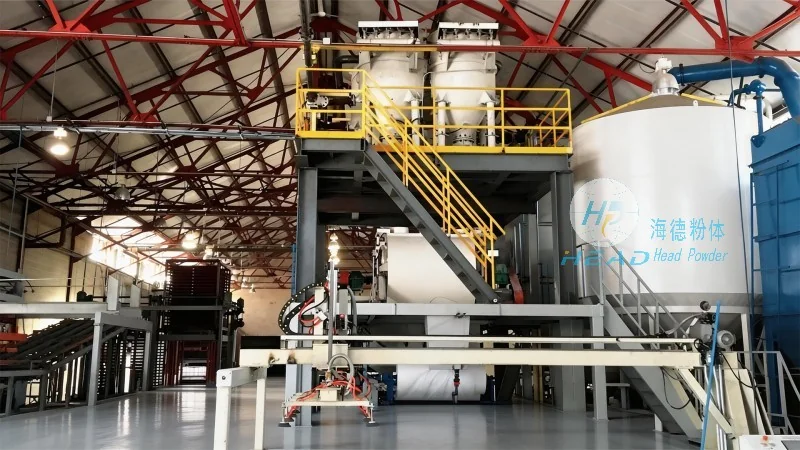
At the core of any pneumatic conveying system are several critical components that work in tandem to facilitate material transport. These include the material feed hopper, which stores and feeds the dry material into the system; the air supply unit, which generates the necessary pressure or vacuum; the conveying line, typically made of stainless steel or other corrosion-resistant materials to ensure durability and hygiene; and the control system, which regulates the flow of material and air. Additionally, components like cyclones, filters, and dust collectors are often integrated to separate the conveyed material from the air stream and ensure environmental compliance.

The Operation Process: Step-by-Step Explanation
The operation of a dry material pneumatic conveying system involves a series of coordinated steps that ensure smooth and efficient material transfer. The process typically begins with the material being fed from the hopper into the conveying line. Simultaneously, the air supply unit generates the required pressure or vacuum, creating a flow that pulls or pushes the material through the system. As the material travels through the conveying line, it is suspended and transported by the air stream, reaching the destination point such as a storage silo, processing unit, or packaging area. The system is designed to maintain consistent flow rates and pressure levels, preventing clogging or material degradation.
Working Principle: How It Works
The working principle of a pneumatic conveying system is based on the fundamental physics of fluid dynamics and particle motion. In a pressurized system, the air is compressed and forced through the conveying line, creating a high-pressure environment that propels the material forward. The material particles are entrained in the air stream, and their movement is governed by factors such as particle size, density, and the velocity of the air. In a vacuum system, the air is drawn from the conveying line, creating a low-pressure environment that pulls the material into the system. The balance between air velocity and particle characteristics is crucial to ensure stable and continuous transport without causing damage to the material or the system components.

Advantages of Dry Material Pneumatic Conveying Systems
Implementing dry material pneumatic conveying systems offers numerous advantages for industrial operations. These systems provide a closed-loop transport solution, minimizing dust emissions and environmental impact. They also offer flexibility in material handling, allowing for horizontal, vertical, or inclined transport paths. Additionally, pneumatic conveying systems can handle a wide range of materials, from fine powders to coarse granules, without the need for mechanical components like belts or screws that may cause contamination or wear. The systems are also energy-efficient, as they use compressed air or vacuum to move materials, reducing operational costs compared to traditional methods like bucket elevators or conveyor belts.
Applications and Industries
Dry material pneumatic conveying systems are versatile and find applications in various industries. In the pharmaceutical industry, these systems are used to transport active pharmaceutical ingredients (APIs) and excipients with high precision and minimal risk of contamination. In food processing, they are employed to handle dry ingredients like flour, sugar, and spices, ensuring product safety and quality. The chemical industry utilizes pneumatic conveying for transporting chemicals, powders, and granules, while the mining sector employs these systems for ore and mineral transport. The systems are also used in the agricultural sector for handling grain and other agricultural products.
Maintenance and Operational Considerations
Proper maintenance and operational considerations are essential to ensure the longevity and efficiency of dry material pneumatic conveying systems. Regular inspection of components such as the air supply unit, conveying line, and filters is necessary to prevent clogs and maintain optimal performance. Cleaning and maintenance schedules should be established based on the type of material being conveyed and the system's usage frequency. Additionally, monitoring pressure and flow rates during operation helps identify potential issues early, preventing system downtime. HeadPowder, with its expertise in industrial engineering, provides comprehensive support for system maintenance and troubleshooting, ensuring that clients can maximize the performance and lifespan of their pneumatic conveying systems.
Conclusion
Dry material pneumatic conveying systems are sophisticated and efficient solutions for bulk material transport in industrial settings. By understanding the operation process and working principles, industries can leverage these systems to enhance productivity, maintain product quality, and reduce operational costs. HeadPowder, with its commitment to quality and innovation, continues to provide advanced pneumatic conveying solutions tailored to the specific needs of its clients, supporting their operational goals and ensuring sustainable industrial practices.




