HeadPowder, a leading engineering company based in Shandong, China, specializes in the design, manufacturing, and installation of advanced pneumatic conveying systems tailored for handling copper sulfate powder. This article provides a detailed overview of the operational process and underlying principles of such equipment, highlighting how it efficiently transports copper sulfate from source to destination while maintaining product integrity and system efficiency.

Overview of Copper Sulfate Powder Pneumatic Conveying Equipment
The equipment designed for copper sulfate powder pneumatic conveying is engineered to handle the unique properties of this material, including its fine particle size, hygroscopic nature, and potential for dust generation. The system typically comprises several key components, including a material hopper, feeder, air compressor, conveying line, and a receiving hopper or silo. Each component plays a crucial role in ensuring smooth and reliable operation, as discussed below.
Step-by-Step Operational Process
The operation of the copper sulfate powder pneumatic conveying system follows a systematic sequence of steps, each designed to optimize material flow and minimize downtime. The process begins with the loading of copper sulfate powder into the material hopper. The hopper is equipped with a level indicator to monitor the material inventory, ensuring that the feeder receives a consistent feed rate. A rotary valve or screw feeder then regulates the flow of powder from the hopper into the conveying line, controlling the amount of material introduced per unit time.
Simultaneously, the air compressor generates the necessary pressure and volume of air to create a high-velocity air stream within the conveying line. This air stream, often referred to as the carrier gas, is introduced into the conveying line at the inlet of the material hopper or feeder. As the powder is introduced into the air stream, it becomes entrained and carried through the pipeline to the receiving hopper at the destination. The air stream continues to transport the powder until it reaches the end of the conveying line, where it is separated from the material using a separator or cyclone.

The separated air is then discharged through a filter or vent, while the copper sulfate powder is collected in the receiving hopper. The system may include a dust collection system to capture any fine particles that escape during the separation process, ensuring compliance with environmental regulations and maintaining air quality. The entire process is automated, with sensors and control systems monitoring key parameters such as pressure, flow rate, and material level, allowing for real-time adjustments to maintain optimal performance.
Working Principle of the Pneumatic Conveying System
The core principle behind the operation of the copper sulfate powder pneumatic conveying system is the use of air as a carrier medium to transport the material. This method, known as pneumatic conveying, relies on the interaction between the air stream and the powder particles to achieve efficient transport. The system operates on the principle of fluidization, where the air stream creates a turbulent flow that lifts and moves the powder particles through the pipeline.
Key factors influencing the efficiency of the system include the air velocity, particle size distribution, and the density of the copper sulfate powder. The air velocity must be sufficient to overcome the gravitational force acting on the particles and to maintain a stable flow within the pipeline. Typically, the air velocity is maintained at a level that ensures the powder particles are fully entrained but not excessively high, which could lead to increased energy consumption or particle degradation.
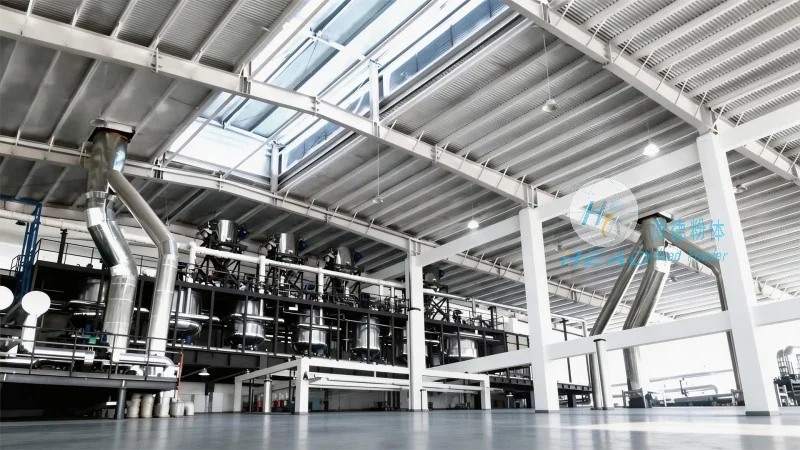
The conveying line is designed with appropriate diameter and length to accommodate the required flow rate and pressure drop. The use of smooth, corrosion-resistant materials, such as stainless steel or special alloys, is essential to prevent material buildup and ensure long-term durability, especially when handling copper sulfate which can be corrosive under certain conditions. The system may also incorporate features such as bends, elbows, and expansion joints to accommodate changes in direction and elevation, minimizing pressure losses and maintaining the integrity of the conveying process.
Benefits and Advantages of Using Pneumatic Conveying for Copper Sulfate
Implementing a pneumatic conveying system for copper sulfate powder offers several advantages over traditional methods such as bucket elevators or belt conveyors. One of the primary benefits is the ability to handle the material in a closed system, which reduces dust emissions and improves workplace safety. The enclosed design also helps to maintain the purity of the copper sulfate powder by preventing contamination from external sources.

Another significant advantage is the flexibility of the system, which allows for easy integration with existing production lines and the ability to transport material over long distances without the need for multiple transfer points. The system can be configured to handle varying flow rates and material characteristics, making it suitable for both small-scale and large-scale operations. Additionally, the automated control systems provide precise monitoring and adjustment capabilities, reducing the risk of material loss or system inefficiencies.
The energy efficiency of pneumatic conveying systems is also a key consideration. By optimizing the air velocity and system design, the energy consumption can be minimized compared to other conveying methods. This not only reduces operational costs but also contributes to a more sustainable and environmentally friendly operation. The system's ability to handle fine powders without the need for additional processing steps further enhances its cost-effectiveness and operational simplicity.
Conclusion and Company Information
HeadPowder Engineering Co., Ltd., based in Shandong, China, is dedicated to providing high-quality pneumatic conveying solutions for copper sulfate powder and other industrial materials. The company's expertise in engineering and manufacturing ensures that the equipment is designed to meet the specific requirements of each application, ensuring reliable and efficient operation. With a focus on innovation and customer satisfaction, HeadPowder continues to deliver advanced solutions that enhance productivity and safety in industrial settings.




