The Chlorinated Polyethylene (CPE) powder conveying system is a specialized industrial solution designed to handle the transportation of chlorinated polyethylene powder efficiently and safely. As a key component in material handling processes, this system integrates advanced engineering principles to ensure reliable operation, minimal material loss, and compliance with industrial safety standards. The system is tailored for applications where the handling of CPE powder is critical, such as in manufacturing, processing, and storage operations within the chemical and polymer industries.
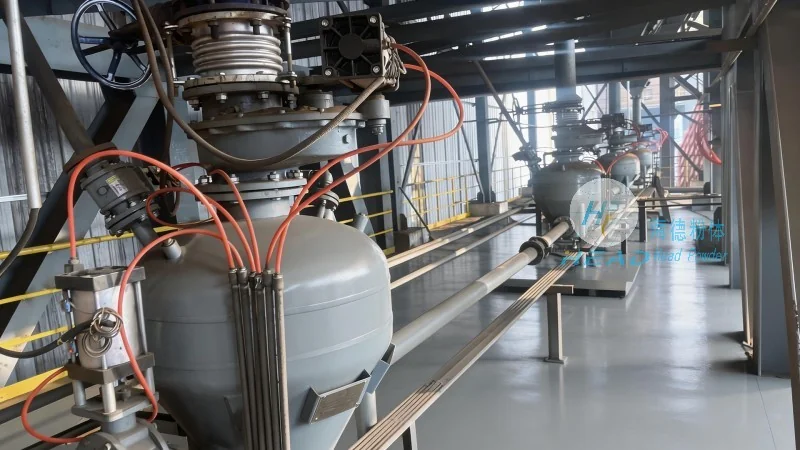
Key Components of the Powder Conveying System
The CPE powder conveying system comprises several essential components that work in tandem to facilitate the smooth transfer of powder. These components include a hopper for material storage, a rotary valve or feeder to control the flow rate, a conveyor (such as a pneumatic or mechanical conveyor), and a dust collection system to maintain air quality. Each component is carefully selected to meet the specific requirements of CPE powder, which is known for its fine particle size and potential for static electricity. The hopper is typically designed with a conical or rectangular shape to ensure uniform material distribution, while the feeder regulates the discharge rate to prevent overloading or underflow. The conveyor system, whether pneumatic (using air pressure to move the powder) or mechanical (using belts or screws), is chosen based on the material's properties and the distance it needs to travel. The dust collection system is crucial for maintaining a clean and safe working environment, as CPE powder can generate significant airborne particles that may pose health risks if not properly managed.

Working Principle of the Conveying Process
The operation of the CPE powder conveying system follows a systematic process that begins with material loading into the hopper. The powder is then discharged from the hopper through the feeder, which controls the flow rate based on the system's operational needs. For pneumatic conveying systems, the powder is mixed with air and transported through a pipeline to the destination point. The air pressure and flow rate are carefully managed to ensure the powder moves without clogging or degradation. In mechanical conveying systems, the powder is moved by a rotating screw or belt, which pushes the material through the pipeline. The system may include multiple stages, such as a primary conveyor for initial transport and a secondary conveyor for final delivery to the processing equipment. The entire process is monitored and controlled by a programmable logic controller (PLC) or a similar control system, which adjusts parameters like flow rate, pressure, and speed to maintain optimal performance. The PLC also includes safety features to prevent overpressure, underflow, or other operational issues that could lead to system failure or material damage.
Operation Process Flow
The operation of the CPE powder conveying system follows a sequential flow that ensures efficient and continuous material transfer. The process starts with the loading of CPE powder into the hopper, which is typically done manually or via a bulk material handling system. Once the hopper is filled, the feeder activates and begins to discharge the powder at a controlled rate. The powder then enters the conveyor system, which transports it to the next stage of the process. For pneumatic systems, the powder is mixed with air and drawn into the pipeline by a vacuum or pressure source. The air and powder mixture travels through the pipeline to the receiving hopper or processing equipment. The system may include intermediate storage or mixing units to adjust the powder's properties before final use. The entire operation is monitored by sensors and control devices that track parameters such as flow rate, pressure, and temperature. Any deviations from the set points are automatically corrected by the control system, ensuring consistent performance. The process concludes when the powder reaches its destination, where it is either stored for later use or directly fed into the production line. The system is designed to operate continuously, with minimal downtime for maintenance or cleaning, which is essential for maintaining productivity in industrial settings.

Advantages and Applications
The Chlorinated Polyethylene powder conveying system offers several advantages that make it suitable for a wide range of industrial applications. One of the primary benefits is its ability to handle fine powders like CPE without causing clogging or material degradation. The system's design minimizes the risk of material buildup, which can lead to operational issues and safety hazards. Additionally, the system is highly efficient in terms of energy consumption and material transfer speed, reducing operational costs and increasing productivity. The dust collection system ensures compliance with environmental regulations and maintains a safe working environment for personnel. The system is widely used in the chemical and polymer industries for applications such as CPE granulation, compounding, and storage. It is also suitable for other industries that handle fine powders, such as pharmaceuticals and food processing, where material purity and safety are critical. The system's flexibility allows it to be customized to meet specific operational requirements, including different conveyor lengths, material flow rates, and control systems.




