Shandong HeadPowder Engineering Co., Ltd., commonly known as headpowder, is a leading manufacturer of material handling equipment based in Shandong, China. The company specializes in developing advanced conveying systems tailored for the starch industry, with a focus on enhancing operational efficiency and safety. This article explores the core principles and operational characteristics of the potato starch material conveying system, providing insights into its design, functionality, and typical application scenarios. The system is engineered to handle bulk potato starch materials with precision, ensuring smooth and reliable transport throughout the production process.

Principle of the Potato Starch Material Conveying System
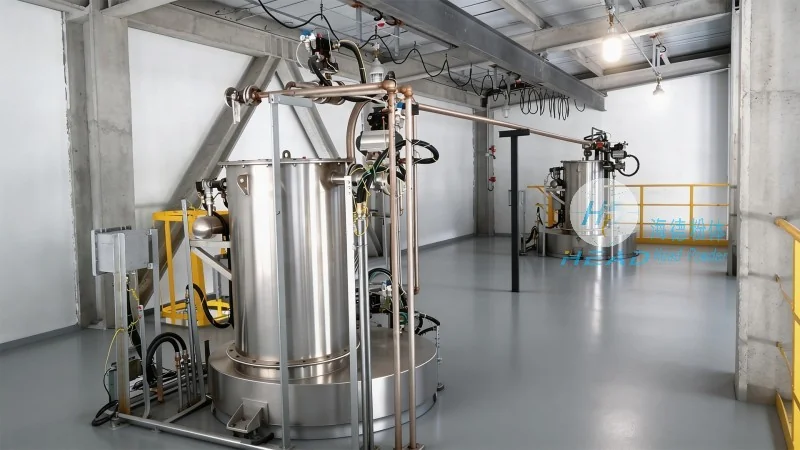
The potato starch material conveying system operates on a combination of mechanical and pneumatic technologies to facilitate the movement of raw potato starch. The system's design integrates several key components, including a feed hopper, conveyor belt, and pneumatic duct network. The feed hopper serves as the initial stage, where incoming potato starch is evenly distributed to prevent material buildup and ensure consistent flow. The conveyor belt, typically made of high-quality rubber or polyurethane, is equipped with specialized surfaces to grip the starch particles, preventing slippage and maintaining a steady transport rate. Pneumatic conveying, a critical element, utilizes compressed air to create a pressure differential that propels the material through flexible ducts. This method is particularly effective for transporting fine powders like potato starch over moderate to long distances, as it minimizes material degradation and reduces the risk of contamination. The system also incorporates sensors and control modules to monitor parameters such as flow rate, pressure, and temperature, enabling real-time adjustments to optimize performance and prevent operational issues.

Working Scene Characteristics of the System
The potato starch material conveying system is optimized for industrial environments, particularly in starch processing facilities. Its working scene characteristics are tailored to enhance efficiency, safety, and durability in high-demand operational settings. One key characteristic is its adaptability to various material types and particle sizes, making it suitable for both fine and coarse potato starch powders. The system's modular design allows for seamless integration into existing production lines, reducing downtime during installation and maintenance. High throughput is another critical feature, as the system can handle large volumes of material continuously, supporting the production rates required in starch processing plants. The working environment often involves high humidity and dust, and the conveying system is constructed with corrosion-resistant materials and sealed components to maintain performance under challenging conditions. Safety features, including emergency stop buttons, overload protection, and dust containment measures, are integrated to protect operators and equipment from hazards. Additionally, the system supports remote monitoring and control, enabling operators to adjust operational parameters based on real-time production needs, enhancing overall operational flexibility.

Applications and Operational Benefits
The potato starch material conveying system is widely used in starch processing plants, where it plays a vital role in material handling. The system efficiently transports potato starch from storage silos to processing units, or from processing stages to packaging areas, improving overall production efficiency. By reducing manual labor and minimizing material loss, the system enhances product quality and reduces operational costs. The system's low maintenance requirements and long service life contribute to lower total cost of ownership, making it an economical choice for starch manufacturers. Furthermore, the system's flexibility allows for customization to meet the specific requirements of different production scales and operational conditions, ensuring it can adapt to the evolving needs of the starch industry. The system also contributes to improved workplace safety by minimizing the need for manual handling of bulk materials, reducing the risk of accidents and injuries.




