Aggregate powder conveying is a critical process in various industrial applications, particularly in construction, mining, and material processing sectors. Understanding the working principles and key characteristics of this technology is essential for optimizing material handling efficiency and ensuring operational reliability. This article provides an in-depth exploration of the mechanisms behind aggregate powder transport systems, highlighting the technical aspects and practical advantages that define modern conveying solutions.

Working Principles of Aggregate Powder Conveying Systems
At the core of aggregate powder conveying systems are mechanisms designed to transport bulk materials from one location to another without the need for continuous human intervention. The primary working principle involves the use of specialized equipment, such as screw conveyors, pneumatic conveyors, and bucket elevators, which utilize mechanical or pneumatic forces to move powders and granular materials. These systems typically operate by feeding the material into a hopper or inlet, where it is then propelled through a pipeline or conveyor channel. The efficiency of the conveying process depends on factors like material properties, flow rate, and system design, all of which are optimized to ensure smooth and consistent transport.
A common type of aggregate powder conveyor is the screw conveyor, which uses a rotating helical screw to move material forward. The screw's pitch and diameter are carefully selected based on the material's characteristics, such as density and moisture content, to prevent clogging and ensure uniform flow. This mechanical approach is ideal for conveying dry powders and granules over short to medium distances, making it a popular choice in industries like cement production and food processing. The screw conveyor's design allows for easy maintenance and adjustment, contributing to its widespread adoption in industrial settings.
Another widely used method is pneumatic conveying, which relies on air pressure to transport materials through a pipeline. This technique is particularly effective for handling fine powders and dust, as it minimizes material degradation and reduces the risk of contamination. Pneumatic systems can be categorized into pressure and vacuum types, with pressure systems using positive pressure to push material through the line and vacuum systems using negative pressure to pull it. The choice between these methods depends on the material's properties, the distance to be covered, and the required flow rate. For example, pressure pneumatic conveyors are often used for short-distance transport of high-volume materials, while vacuum systems are better suited for longer distances or when handling lighter powders.

Key Characteristics of Aggregate Powder Conveying Solutions
The characteristics of aggregate powder conveying systems are tailored to meet the specific demands of different industrial applications. One of the most significant characteristics is the ability to handle a wide range of material types, from fine powders to coarse aggregates, with minimal degradation. This versatility makes these systems suitable for diverse industries, including construction, mining, and chemical processing. Additionally, modern conveying solutions are designed to be energy-efficient, reducing operational costs while maintaining high performance levels. The use of advanced materials and engineering techniques has led to improved durability and reduced maintenance requirements, further enhancing the overall efficiency of the process.
Another important characteristic is the system's adaptability to varying flow rates and material conditions. Many modern conveyors are equipped with variable speed drives and adjustable feed mechanisms, allowing operators to control the flow of material in real-time. This flexibility is crucial for applications where material demand fluctuates, such as in batch production or seasonal operations. Furthermore, the design of these systems often incorporates features to prevent material buildup and clogging, such as inclined screw sections or air knives in pneumatic systems. These features help maintain consistent performance and reduce downtime, which is critical for maintaining productivity in industrial environments.
Environmental considerations also play a role in the characteristics of aggregate powder conveying systems. Modern solutions often include dust control measures, such as filtration systems and enclosed conveyor designs, to minimize air pollution and comply with environmental regulations. This focus on sustainability is increasingly important as industries strive to reduce their carbon footprint and improve operational efficiency. The integration of these environmental features not only enhances the system's performance but also contributes to a safer and more responsible workplace.
Applications and Benefits in Industrial Settings
The working principles and characteristics of aggregate powder conveying systems make them indispensable in various industrial applications. In the construction industry, these systems are used to transport raw materials like cement, sand, and gravel to different parts of a construction site, improving material handling efficiency and reducing labor costs. The ability to convey materials over long distances with minimal loss or degradation is particularly valuable in large-scale construction projects, where traditional methods may be impractical.
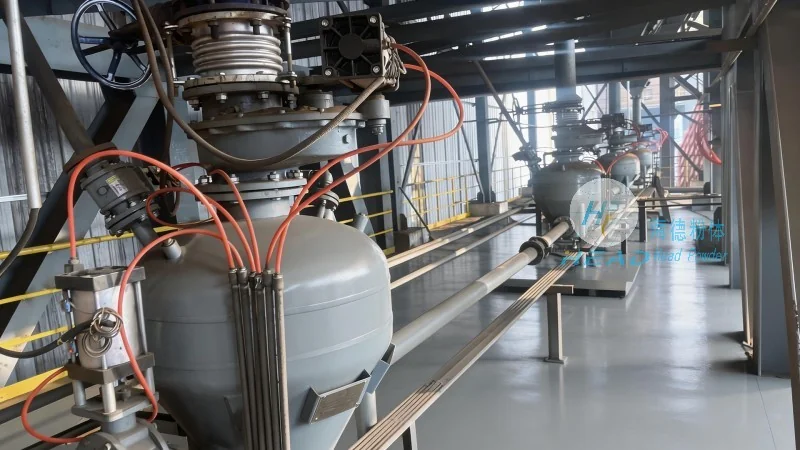
In the mining sector, aggregate powder conveying is essential for transporting ore and other minerals from extraction sites to processing facilities. The high capacity and reliability of these systems ensure that material is delivered consistently, supporting the continuous operation of mining operations. The use of pneumatic conveyors, for example, allows for the safe and efficient transport of fine dust and powders, reducing the risk of accidents and improving workplace safety.
In the chemical and food processing industries, aggregate powder conveying systems are used to handle a variety of materials, from raw ingredients to finished products. The hygienic design of modern conveyors, with smooth surfaces and easy-to-clean components, is crucial for maintaining product quality and compliance with regulatory standards. The ability to convey materials without contamination is particularly important in food processing, where product purity is paramount. Additionally, the energy efficiency of these systems helps reduce operational costs, making them a cost-effective solution for industrial applications.
Conclusion and Company Overview
Aggregate powder conveying systems represent a sophisticated solution for efficient material handling in various industrial sectors. The working principles, which rely on mechanical or pneumatic forces to transport materials, combined with the key characteristics of adaptability, efficiency, and environmental responsibility, make these systems highly effective. By understanding the technical aspects and practical advantages of aggregate powder conveying, industries can optimize their operations and improve overall productivity. As a leading provider of engineering solutions, Shandong HeadPowder Engineering Co., Ltd. specializes in designing and manufacturing advanced conveying systems tailored to the specific needs of its clients. With a focus on innovation and quality, the company ensures that its products meet the highest standards of performance and reliability, supporting the success of its customers in diverse industrial applications.




