Desulfurization and dust removal processes in power plants and industrial facilities generate large volumes of ash and sludge that require efficient handling and transportation. The ash material conveying system is a critical component designed to manage these byproducts safely and effectively. This system is essential for maintaining operational efficiency, ensuring environmental compliance, and supporting the overall sustainability of industrial operations. As a leading provider in the field, Shandong HeadPowder Engineering Co., Ltd. specializes in designing and manufacturing advanced ash material conveying systems tailored to meet the specific needs of industrial clients.

Key Components of the Ash Material Conveying System
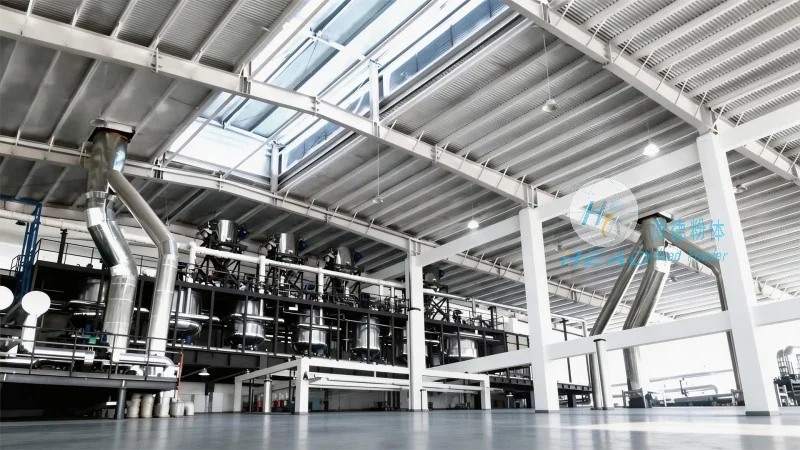
The ash material conveying system is a complex assembly of components engineered to handle the unique challenges of transporting desulfurization and dust removal ash. At its core, the system begins with an ash hopper or collection bin, which stores the ash generated from the flue gas cleaning process. From the hopper, a feeder mechanism, such as a rotary valve or screw feeder, regulates the flow of ash into the conveying line. The feeder ensures a consistent and controlled discharge of material, preventing overloading or underflow that could disrupt the system. The conveying line itself can be either a pneumatic pipeline or a mechanical conveyor, depending on the ash characteristics. Pneumatic systems use compressed air to push ash through a sealed pipe, while mechanical systems employ belts, screws, or buckets to move the material. The line is typically equipped with bends, elbows, and expansion joints to accommodate changes in direction and elevation, ensuring smooth material transport. At the discharge end, a receiver or silo collects the ash, preparing it for further processing or disposal. Control systems, including sensors and programmable logic controllers (PLCs), monitor the entire process, adjusting feeder speeds, air pressure, or conveyor speeds as needed to maintain optimal performance. Dust collection and suppression equipment, such as cyclones or bag filters, are integrated into the system to capture and remove any airborne particles, preventing environmental contamination and protecting personnel from exposure.

Design Principles for Efficient Material Handling
The design of a desulfurization and dust removal ash material conveying system is guided by several fundamental principles aimed at maximizing efficiency, safety, and reliability. These principles include: ensuring proper material flow to prevent blockages, maintaining consistent pressure and velocity to avoid material degradation, incorporating robust sealing and dust control measures to minimize environmental impact, and designing for easy maintenance and operational flexibility. The system must also comply with local environmental regulations and industrial standards to ensure safe and legal operation. For instance, the use of sealed conveying lines reduces the risk of ash leakage and air pollution, while the integration of dust suppression systems ensures compliance with air quality standards. Additionally, the system should be designed to handle variations in ash properties, such as changes in moisture content or particle size, without compromising performance. This adaptability is crucial for industrial facilities that may experience fluctuations in ash generation or composition.
Material Handling Technologies Used in the System
Modern ash material conveying systems utilize advanced technologies to enhance performance and reduce operational costs. Common technologies include pneumatic conveying systems, which are particularly effective for dry or fine ash particles, as they can transport material over long distances with minimal energy consumption. The pneumatic system typically consists of a blower, a filter, and a conveying pipe, with the ash being carried by a stream of air. This method is efficient for handling powders and fine particles but may require higher air pressure for bulkier ash. Mechanical conveying systems, such as belt conveyors or screw conveyors, are preferred for wet or coarser ash materials. Belt conveyors use a continuous belt to move ash along a path, while screw conveyors use a rotating screw to push material forward. These systems are often more cost-effective for short to medium distances and can handle higher volumes of material. The choice of technology depends on factors such as the ash's moisture content, particle size distribution, and the required conveying distance. In some cases, a hybrid system combining pneumatic and mechanical components is used to optimize performance for different ash characteristics. For example, a pneumatic system may be used to transport ash from the hopper to a transfer point, followed by a mechanical conveyor to move it to the final discharge location. This hybrid approach leverages the strengths of both technologies, providing a flexible and efficient solution.
Environmental and Safety Considerations
Environmental and safety considerations are paramount in the design and operation of ash material conveying systems. The system must be equipped with effective dust suppression and filtration systems to prevent air pollution and protect personnel from exposure to hazardous particles. Sealing mechanisms are used to prevent ash leakage and maintain a clean working environment. Furthermore, the system should be designed to handle potential hazards such as corrosion from acidic ash or the presence of toxic substances, ensuring that all components are durable and resistant to degradation. Regular maintenance and inspection are also critical to maintaining safety standards and preventing accidents. For instance, the use of corrosion-resistant materials, such as stainless steel or special coatings, in the conveying line and components helps to extend the system's lifespan and reduce the risk of leaks. Dust collection equipment, such as cyclone separators or bag filters, captures the fine particles that are released during operation, ensuring that the air discharged from the system meets environmental regulations. Personnel safety is also addressed through the integration of safety interlocks and emergency stop buttons, which can halt the system in case of an anomaly or hazard. Additionally, the system may include monitoring systems that track parameters such as pressure, temperature, and flow rates, alerting operators to any deviations that could indicate a problem.




