Efficient material handling is a critical aspect of modern industrial operations, and the husk pneumatic conveying system has emerged as a sophisticated solution for transporting bulk materials like husks. This system leverages the principles of pneumatic transport to move materials through a network of pipes using air pressure, offering advantages such as reduced labor costs, enhanced safety, and improved process control. In this overview, we will delve into the structural components and operational principles of the husk pneumatic conveying system, highlighting its key features and benefits.

Key Components of the Husk Pneumatic Conveying System
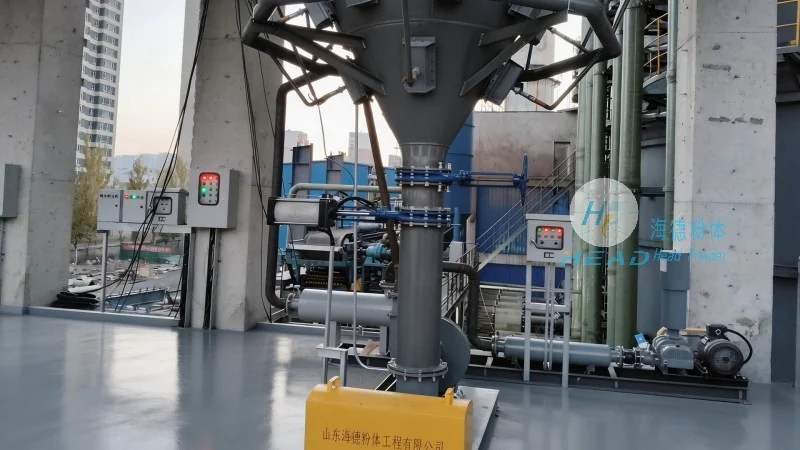
The husk pneumatic conveying system consists of several essential components that work in tandem to ensure smooth material transport. The primary components include the material feed hopper, the air compressor, the conveying pipeline, the control valve, and the discharge hopper. The material feed hopper is responsible for storing and feeding the husk material into the system, ensuring a consistent flow. The air compressor generates the necessary air pressure to propel the material through the pipeline. The conveying pipeline, typically made of stainless steel or other corrosion-resistant materials, transports the material from the feed point to the discharge point. The control valve regulates the air flow and pressure, allowing for precise control over the conveying process. Finally, the discharge hopper collects the material at the end of the pipeline, completing the transport cycle.
Working Principle of the Husk Pneumatic Conveying System
The operation of the husk pneumatic conveying system is based on the principle of pneumatic transport, where material particles are suspended and transported by a stream of air. The process begins with the material being fed into the system from the hopper. The air compressor then generates high-pressure air, which is introduced into the pipeline. As the air flows through the pipeline, it carries the husk particles along with it, creating a slurry-like mixture. The air velocity is carefully controlled to ensure that the material particles are fully suspended and transported without clogging the pipeline. The system can operate in either positive or negative pressure modes, depending on the application requirements. In positive pressure systems, the pipeline is pressurized above atmospheric pressure, while in negative pressure systems, the pipeline is maintained at a slight vacuum. The choice between these modes depends on factors such as the material properties, the distance of transport, and the need to prevent dust emissions.

Advantages of the Husk Pneumatic Conveying System
Compared to traditional mechanical conveying systems, the husk pneumatic conveying system offers several significant advantages. One of the primary benefits is the reduction in labor costs, as the system automates the material handling process, eliminating the need for manual loading and unloading. Additionally, the system enhances safety by minimizing human exposure to dust and other hazards associated with bulk material handling. The enclosed pipeline design also helps to prevent dust contamination and environmental pollution. Furthermore, the system provides improved process control, allowing for precise regulation of material flow rates and pressure levels. This level of control is particularly important in applications where consistent material quality is critical, such as in food processing or pharmaceutical manufacturing. The system also offers flexibility in terms of layout, as the pipeline can be easily reconfigured to accommodate changes in production requirements or facility layout.

About Shandong HeadPowder Engineering Co., Ltd.
Shandong HeadPowder Engineering Co., Ltd., operating under the brand name headpowder, is a leading manufacturer and supplier of industrial conveying systems. With a strong commitment to innovation and quality, the company specializes in designing and manufacturing customized pneumatic conveying solutions for various industries, including agriculture, food processing, and chemical manufacturing. The company's products are known for their durability, efficiency, and reliability, making them suitable for demanding industrial applications. HeadPowder's team of experienced engineers and technicians works closely with clients to understand their specific needs and develop tailored solutions that meet their requirements. The company's state-of-the-art manufacturing facilities and rigorous quality control processes ensure that all products meet the highest industry standards. HeadPowder is dedicated to providing customers with reliable and efficient conveying systems that enhance productivity and safety in their operations.




