Efficient material handling is a critical component of modern industrial operations, particularly in facilities that rely on dust extraction systems to maintain air quality and ensure worker safety. The material conveying system within a dust extraction station plays a pivotal role in transporting raw materials, finished products, or byproducts between different stages of the production process. This system not only enhances operational efficiency but also contributes to the overall effectiveness of the dust control measures in place. Understanding the operation process and working principle of such a system is essential for optimizing performance, minimizing downtime, and ensuring compliance with environmental regulations.

Key Components of the Material Conveying System
The material conveying system in a dust extraction station typically consists of several interconnected components designed to facilitate the smooth movement of materials. These components may include hoppers, feeders, conveyors (such as belt conveyors, screw conveyors, or pneumatic conveyors), control panels, and dust collection units. Each component serves a specific function, working in harmony to ensure the reliable and continuous transport of materials. For instance, hoppers are used to store and feed materials into the conveyor system, while feeders regulate the flow rate to match the conveyor's capacity. The choice of conveyor type depends on the material characteristics, such as size, density, and moisture content, as well as the operational requirements of the facility.

Operation Process of the Material Conveying System
The operation process of the material conveying system in a dust extraction station involves a series of steps that ensure the seamless transfer of materials from the source to the destination. The process typically begins with the loading of materials into the hopper. Once the hopper is filled, the feeder activates to control the flow of material into the conveyor. The conveyor then transports the material through the system, often passing through the dust extraction station where air is filtered to remove particulate matter. The material is then discharged at the receiving end, where it may be further processed or stored. The entire process is usually automated, with control panels monitoring and adjusting parameters such as speed, flow rate, and pressure to maintain optimal performance. This automation ensures consistent operation and reduces the need for manual intervention, thereby minimizing the risk of errors and increasing productivity.

Working Principle of the Material Conveying System
The working principle of the material conveying system in a dust extraction station is based on the mechanical or pneumatic movement of materials through the system. Mechanical conveyors, such as belt or screw conveyors, utilize rotating components to move materials along a path. Belt conveyors, for example, use a continuous belt that moves over rollers, carrying the material from the hopper to the discharge point. Screw conveyors, on the other hand, use a rotating screw to push materials forward, which is particularly effective for handling granular or powdery materials. Pneumatic conveyors, or air-powered systems, use compressed air to transport materials in a sealed pipeline, which is ideal for materials that are dusty or require airtight transport. The dust extraction station is integrated into the system to capture and filter the air as it passes through the conveyor, preventing the release of particulate matter into the environment. This integration ensures that the conveying process does not compromise the dust control measures and maintains compliance with environmental standards.
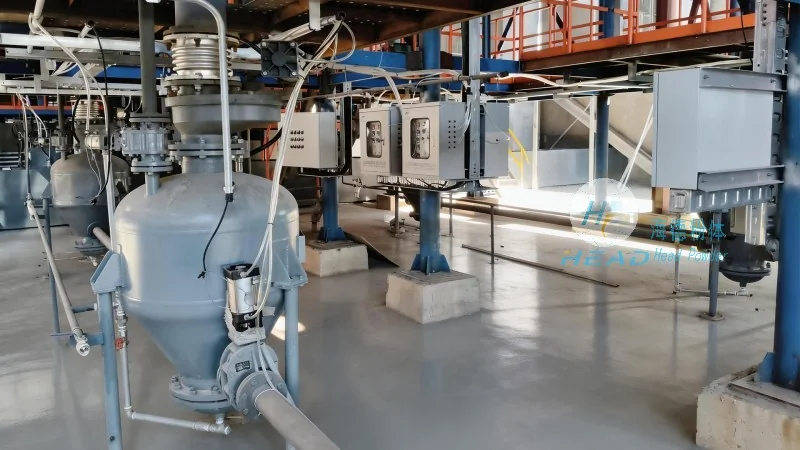
Role of Shandong HeadPowder Engineering Co., Ltd. in Designing and Implementing These Systems
Shandong HeadPowder Engineering Co., Ltd., commonly known as headpowder, is a leading provider of engineering solutions for material handling and dust control systems. With a strong presence in China, particularly in Shandong, the company specializes in designing, manufacturing, and installing material conveying systems tailored to the specific needs of industrial clients. The company's expertise lies in understanding the unique challenges of different industries, such as mining, construction, and manufacturing, and developing customized solutions that enhance operational efficiency and safety. By leveraging advanced technology and engineering expertise, headpowder ensures that its material conveying systems are not only efficient but also reliable and durable. The company's commitment to quality and customer satisfaction has made it a trusted partner for businesses seeking to optimize their material handling processes and improve their overall operational performance.




