For industries dealing with bulk grain handling, efficient and reliable material transport is crucial. The corn kernels pneumatic conveying machine is a key equipment designed to handle corn kernels with precision and efficiency. This article will explore the operation process and working principle of such a machine, highlighting its importance in modern agricultural and food processing applications.

Introduction to Corn Kernels Pneumatic Conveying Machine
The corn kernels pneumatic conveying machine, also known as a pneumatic conveyor, is a system used to transport corn kernels from one location to another using air pressure. This technology is widely adopted in the agricultural and food processing sectors due to its ability to handle bulk materials with minimal manual intervention. The machine is engineered to ensure smooth and consistent material flow, reducing the risk of breakage and contamination. As a leading manufacturer in this field, Shandong HeadPowder Engineering Co., Ltd. specializes in designing and producing high-quality pneumatic conveying systems tailored to the specific needs of corn processing facilities.
Key Components of the Pneumatic Conveying System
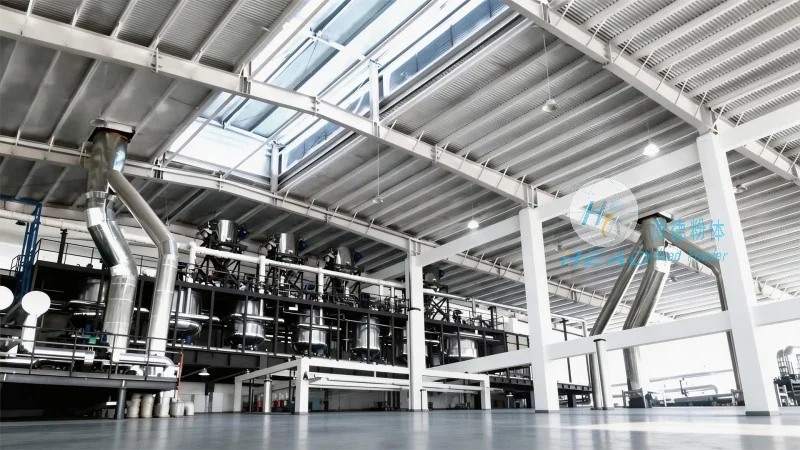
A typical corn kernels pneumatic conveying machine consists of several critical components that work in tandem to achieve efficient material transport. These components include the hopper, which serves as the material storage and feeding unit; the air compressor, responsible for generating the necessary air pressure; the conveying line, which transports the corn kernels through the system; and the discharge valve, which controls the release of material at the destination. Each component is carefully designed to ensure durability and optimal performance under continuous operation. The hopper is equipped with a feeding mechanism, such as a rotary valve or a screw feeder, to regulate the flow of corn kernels into the conveying line. The air compressor, often a positive displacement type, provides the required pressure to move the material through the system. The conveying line, typically made of stainless steel or other corrosion-resistant materials, ensures the corn kernels are transported without damage. The discharge valve, usually a rotary or slide valve, allows for controlled release of the material at the receiving end.
Working Principle of the Pneumatic Conveying Machine
The operation of a corn kernels pneumatic conveying machine is based on the principle of air flow and pressure differentials. The process begins with the corn kernels being loaded into the hopper. The feeding mechanism then regulates the flow of kernels into the conveying line. Simultaneously, the air compressor generates high-pressure air, which is introduced into the conveying line. As the air flows through the line, it creates a negative pressure environment that draws the corn kernels into the air stream. The combination of air and material forms a dense mixture, which is then transported to the discharge point. At the receiving end, the air is separated from the corn kernels, often through a cyclone separator or a filter, and the air is either recirculated or vented. The corn kernels are then discharged into the target container or processing unit. This process is continuous and can be adjusted to handle varying volumes of corn kernels, making it suitable for both small-scale and large-scale operations.

Operation Process of the Corn Kernels Pneumatic Conveying Machine
The operation process of the corn kernels pneumatic conveying machine involves several steps that ensure smooth and efficient material transport. First, the system is prepared by loading the hopper with the required amount of corn kernels. The feeding mechanism is then activated to regulate the flow of kernels into the conveying line. Next, the air compressor is started, and the air pressure is adjusted to the optimal level for the specific material and distance. The conveying line is then activated, and the corn kernels are drawn into the air stream. The mixture of air and corn kernels is transported to the discharge point, where the air is separated from the material. The corn kernels are then discharged into the receiving container. Throughout the operation, the system is monitored for any issues, such as blockages or pressure fluctuations, which can be addressed by adjusting the feeding rate or air pressure. The process is designed to be automated, allowing for minimal human intervention and ensuring consistent performance. The machine can operate continuously for extended periods, making it ideal for 24/7 production in corn processing facilities.

Advantages of Using Corn Kernels Pneumatic Conveying Machine
There are several advantages to using a corn kernels pneumatic conveying machine for material transport. One of the primary benefits is the ability to handle bulk materials with minimal breakage. The air flow in the system reduces the impact and friction between the corn kernels, preventing damage that can occur with traditional mechanical conveyors. Additionally, the system is hygienic and easy to clean, making it suitable for food processing applications where sanitation is critical. The machine also offers flexibility in terms of layout, as the conveying line can be installed in various configurations to suit the space available in the facility. Another advantage is the reduced labor costs, as the system can operate with minimal manual intervention. The machine is also energy-efficient, as the air compressor can be adjusted to operate at the optimal pressure, reducing energy consumption. Finally, the system is durable and requires low maintenance, ensuring long-term operation with minimal downtime.
Applications and Industries Using Corn Kernels Pneumatic Conveying Machine
The corn kernels pneumatic conveying machine is widely used in various industries that handle bulk grain materials. In the agricultural sector, it is used for transporting corn kernels from storage facilities to processing plants. In the food processing industry, it is used for conveying corn kernels to milling and grinding operations. The machine is also used in the animal feed industry, where corn kernels are mixed with other ingredients to produce feed. Additionally, it is used in the biofuel industry, where corn kernels are processed into ethanol. The machine is suitable for both dry and wet corn kernels, making it versatile for different applications. The system can be customized to handle different particle sizes and moisture contents, ensuring optimal performance for each specific use case.




