Hot dry ash pneumatic conveying equipment is a key component in modern industrial waste management systems, designed to efficiently transport hot dry ash from sources like power plants or industrial furnaces to designated disposal or processing locations. The operation process and working principle of this equipment are critical for ensuring optimal performance, energy efficiency, and environmental compliance. This article provides a detailed overview of how such equipment functions, focusing on the technical aspects and operational steps involved.

Overview of Hot Dry Ash Pneumatic Conveying Systems
Hot dry ash, typically generated from the combustion of coal or other fossil fuels in thermal power plants, requires specialized handling due to its high temperature and potentially abrasive nature. Pneumatic conveying systems offer a reliable solution by using air as the conveying medium to transport ash particles through pipelines. The system consists of several core components, including a ash feeder, a conveying pipeline, a dust separator, and a collection hopper. Each component plays a vital role in the overall operation, working in tandem to ensure smooth and continuous ash transport.
Working Principle of Pneumatic Conveying
The fundamental principle behind hot dry ash pneumatic conveying is the use of air pressure to move solid particles. In a typical system, hot dry ash is first fed into the conveying pipeline through an ash feeder. The feeder may be a rotary valve or a screw conveyor, which meters the ash at a controlled rate to prevent blockages and maintain consistent flow. Simultaneously, a fan or blower generates a high-velocity air stream within the pipeline. As the ash particles are introduced into the air stream, they become entrained and carried along the pipeline to the destination point. The air velocity is carefully controlled to ensure that the ash particles are fully suspended without causing excessive wear on the pipeline or equipment components.

Operation Process: Step-by-Step Guide
The operation of hot dry ash pneumatic conveying equipment follows a systematic process, which can be broken down into several key stages. First, the system is initiated by starting the ash feeder and the conveying fan. The feeder gradually introduces the hot dry ash into the pipeline, while the fan creates the necessary air pressure and velocity to transport the material. As the ash travels through the pipeline, it passes through a series of bends and fittings, which are designed to minimize pressure loss and maintain the air flow. At the receiving end, a dust separator, such as a cyclone or bag filter, is used to separate the ash particles from the air stream. The separated ash is collected in a hopper or silo, while the cleaned air is either discharged to the atmosphere or recirculated back into the system, depending on the specific design and environmental regulations.
Key Components and Their Functions
Several critical components are integral to the efficient operation of hot dry ash pneumatic conveying equipment. The ash feeder is responsible for feeding the ash into the pipeline at a controlled rate, preventing overloading and ensuring consistent flow. The conveying fan or blower provides the necessary air pressure and velocity to move the ash particles. The pipeline itself is typically made of corrosion-resistant materials, such as stainless steel or high-density polyethylene, to withstand the high temperature and abrasive nature of the ash. The dust separator, often a cyclone separator, uses centrifugal force to separate the ash from the air stream, ensuring that the air is clean before it is discharged or recirculated. Finally, the collection hopper stores the transported ash, allowing for further processing or disposal.
Benefits and Advantages of Hot Dry Ash Pneumatic Conveying
Implementing hot dry ash pneumatic conveying systems offers several advantages for industrial facilities. First, it provides a dust-free and enclosed transport method, reducing the risk of environmental contamination and improving workplace safety. The system is also highly efficient, as it minimizes material loss and reduces the need for manual handling, which can be hazardous. Additionally, pneumatic conveying systems can be designed to handle varying ash loads and temperatures, making them adaptable to different industrial applications. The enclosed nature of the system also helps in controlling odors and reducing the impact of ash on the surrounding environment.
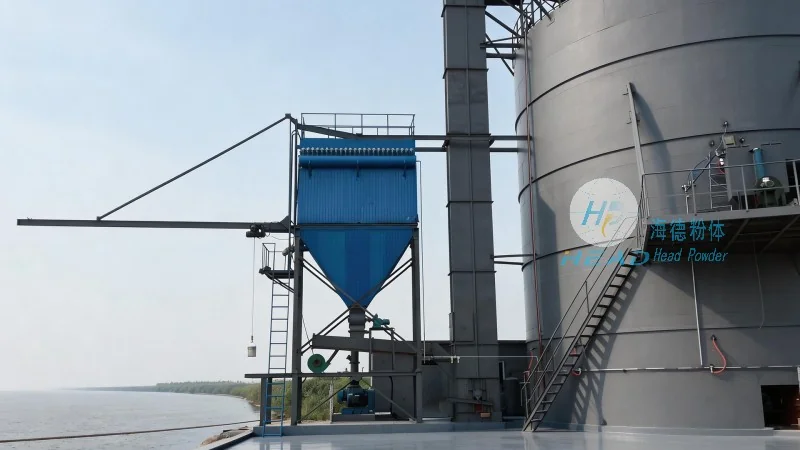
Application in Industrial Settings
Hot dry ash pneumatic conveying equipment is widely used in power plants, cement factories, and other industrial facilities that generate large volumes of hot dry ash. In power plants, for example, the system is used to transport ash from the boiler to a storage facility or to a landfill site. The equipment is designed to handle the high temperatures and abrasive nature of the ash, ensuring reliable operation over long periods. In cement factories, the system is used to transport ash from the kiln to the clinker storage area, where it may be used as a raw material or disposed of. The versatility of the system makes it suitable for a wide range of industrial applications, where efficient and safe ash transport is essential.
Maintenance and Operational Considerations
To ensure the long-term performance and reliability of hot dry ash pneumatic conveying equipment, regular maintenance is essential. The system components, such as the ash feeder, fan, and pipeline, should be inspected regularly for signs of wear or damage. The ash feeder may require cleaning or replacement of parts to maintain consistent feeding. The fan or blower should be checked for proper air pressure and flow rates, as any deviations can affect the conveying efficiency. The dust separator should be cleaned periodically to prevent clogging and ensure effective ash separation. Additionally, the system should be monitored for pressure drops or air leaks, which can indicate issues with the pipeline or components. Proper maintenance not only extends the lifespan of the equipment but also ensures consistent performance and compliance with environmental regulations.




