Flour pneumatic conveying is a critical technology in the food processing sector, designed to efficiently and hygienically transport bulk materials like flour through pipelines using air pressure. Understanding its operation process and working principle is essential for optimizing production lines, ensuring product integrity, and enhancing operational efficiency. This article provides a comprehensive overview of how flour pneumatic conveying systems function, detailing the key components, operational steps, and the fundamental principles that enable effective material handling.
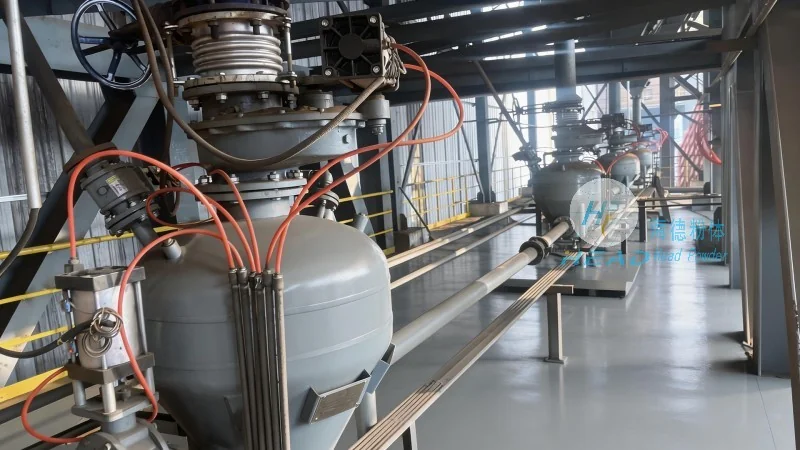
Introduction to Flour Pneumatic Conveying
Flour pneumatic conveying systems are engineered to move fine powders such as flour through a closed pipeline using air or other gases. Unlike traditional mechanical conveying methods that rely on physical contact and moving parts, pneumatic systems utilize air pressure to transport materials, offering advantages like reduced contamination, lower maintenance requirements, and the ability to handle sensitive products without damage. The technology is widely adopted in flour mills, bakeries, and other food processing facilities to streamline the movement of raw materials and finished products.
Key Components of a Flour Pneumatic Conveying System
A typical flour pneumatic conveying system comprises several essential components that work in unison to achieve efficient material transport. These components include a hopper or silo for material storage, a conveyor pipeline that carries the material, a blower or air compressor to generate the necessary air pressure, a filtration system to remove dust and particles from the air, and a discharge point where the material is collected. Each component plays a vital role in the overall operation, ensuring the system operates smoothly, safely, and reliably.
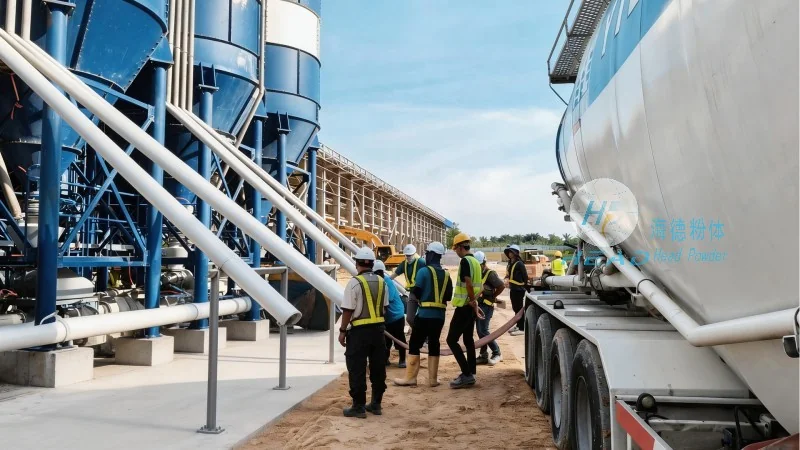
Working Principle of Flour Pneumatic Conveying
The core principle of flour pneumatic conveying is the creation of a pressure differential within the pipeline. The system operates by generating a low-pressure zone at the discharge end and a high-pressure zone at the inlet. When the blower or air compressor supplies air into the system, it draws the flour from the hopper and transports it through the pipeline. The air and material mixture travels under the force of the air pressure, with the filter system subsequently separating the air from the flour. The air is either recirculated or vented, while the flour is collected at the discharge point.
Operation Process of Flour Pneumatic Conveying
The operation process of a flour pneumatic conveying system involves sequential steps to ensure efficient material transport. First, the flour is stored in a hopper or silo, from which it is fed into the conveyor line. The blower then activates, creating the necessary air pressure. As the air flows through the pipeline, it draws the flour from the hopper and transports it to the discharge point. The material is then collected in a receiving bin or silo at the discharge end. The system continues to operate until the required amount of flour is transported, after which the blower can be adjusted or turned off to maintain the desired flow rate. Proper control of air pressure and flow rate is crucial to prevent blockages or excessive pressure that could damage the system.
Advantages of Flour Pneumatic Conveying
Flour pneumatic conveying offers several advantages over traditional mechanical conveying methods. One primary benefit is the reduced risk of contamination, as the system operates in a closed pipeline, minimizing exposure to external elements. This is particularly critical for food products like flour, where hygiene is a top priority. Additionally, pneumatic systems are highly flexible and can be easily adjusted to handle different materials or flow rates. They also require less maintenance compared to mechanical systems, as there are fewer moving parts prone to wear or breakage. Furthermore, the ability to transport materials over long distances without multiple transfer points makes pneumatic systems ideal for large-scale operations.

Applications of Flour Pneumatic Conveying
Flour pneumatic conveying is widely used across various industries, with the food processing sector being the largest user. In flour mills, the technology is used to transport raw flour from storage silos to processing equipment such as mixers and ovens. In bakeries, it is employed to move flour from storage to mixing rooms or to deliver finished products to packaging lines. Other applications include the transport of fine powders like sugar, cocoa, and spices in food and pharmaceutical industries. The versatility of pneumatic conveying systems makes them suitable for a wide range of applications, from small-scale operations to large industrial facilities.
Conclusion
Flour pneumatic conveying is a highly effective and efficient method for transporting fine powders like flour. By understanding the operation process and working principle of these systems, manufacturers can optimize their production lines, improve product quality, and reduce operational costs. The technology offers numerous benefits, including reduced contamination, lower maintenance, and flexibility, making it a preferred choice for many food processing facilities. As the demand for efficient material handling continues to grow, flour pneumatic conveying will remain a critical component in the industry, ensuring the smooth and hygienic transport of bulk materials.




