HeadPowder, a leading manufacturer based in Shandong, China, specializes in the design and production of advanced pneumatic conveying systems for fertilizer handling. These systems are engineered to efficiently transport bulk fertilizer materials from storage silos to processing units or distribution points, ensuring minimal loss and optimal operational efficiency.

Principles of Pneumatic Conveying Technology
The core principle of pneumatic conveying involves the use of air or gas to move solid materials through a pipeline. In fertilizer applications, this technology utilizes positive pressure or negative pressure systems to create a flow of material. Positive pressure systems, such as pressure vessels or blower-driven setups, force air and material through the pipeline, while negative pressure systems draw material into a vacuum system. The choice of system depends on factors like material characteristics, distance, and system layout. For fertilizer, which often includes granules or powders, positive pressure systems are commonly preferred due to their ability to handle abrasive and dusty materials without excessive wear on components.

Key Components and Their Functions
A typical pneumatic conveying system for fertilizers includes several critical components. The feed hopper or silo serves as the material source, ensuring a consistent supply of fertilizer. The conveyor itself, often a flexible hose or rigid pipe, transports the material. A blower or compressor provides the necessary air pressure to move the material. A separator or filter is essential to remove air from the material stream, preventing dust and ensuring the material is delivered in a controlled manner. Additionally, a control system manages the flow rate and pressure, optimizing the conveying process. Each component is designed to withstand the corrosive and abrasive nature of fertilizer materials, with materials like stainless steel or specialized alloys used for construction.
Working Scene Characteristics: Efficiency and Versatility
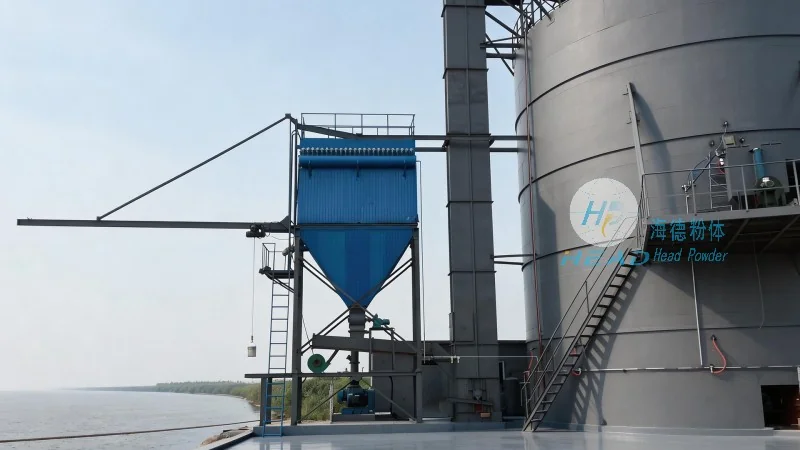
The working scene characteristics of fertilizer pneumatic conveying equipment highlight its adaptability to various industrial settings. In agricultural facilities, these systems are integrated into bulk handling operations, where large volumes of fertilizer need to be moved quickly and safely. They are also used in fertilizer manufacturing plants, where materials are processed and then conveyed to packaging units. The systems are designed to handle different types of fertilizers, including nitrogen, phosphorus, and potassium compounds, as well as organic and compound fertilizers. Their ability to operate in both indoor and outdoor environments makes them suitable for diverse applications, from on-farm storage to large-scale industrial production. The efficiency of these systems is evident in their ability to reduce labor costs and minimize material handling time, contributing to overall operational productivity.
Advantages in Fertilizer Handling
Implementing pneumatic conveying systems for fertilizer handling offers several advantages over traditional methods like bucket elevators or belt conveyors. These systems provide a more hygienic and dust-free environment, which is crucial for maintaining product quality and safety standards. They also reduce the risk of material contamination and improve worker safety by eliminating the need for manual handling of bulk materials. Additionally, pneumatic conveyors can handle a wide range of material sizes and densities, making them versatile for different fertilizer types. The compact design of these systems saves space in industrial facilities, allowing for more efficient use of available area. Finally, the energy efficiency of modern pneumatic conveying systems, particularly those using variable speed drives, helps reduce operational costs over time.




