HeadPowder, a leading engineering company based in Shandong, China, specializes in the design and implementation of advanced material handling solutions. This article delves into the fundamental principles and operational characteristics of PP (polypropylene) pellet material handling systems, providing insights into their functionality and typical application environments.

Overview of PP Pellet Material Handling Systems
PP pellets are widely used in various industries due to their versatility and ease of processing. Efficient transportation of these pellets from storage to processing equipment is crucial for maintaining production efficiency and product quality. PP pellet material handling systems are engineered to handle the unique properties of PP pellets, such as their lightweight, free-flowing nature and potential for static charge accumulation. These systems combine mechanical components, control mechanisms, and sometimes pneumatic or hydraulic systems to ensure smooth and reliable material movement. The systems are typically designed to integrate seamlessly with existing production lines, providing a continuous flow of material from storage to processing stages.

Core Principles of Material Handling
The operation of PP pellet material handling systems is based on several key principles. First, the system must address the flow characteristics of PP pellets, which can be influenced by factors like moisture content, temperature, and the presence of additives. Proper design of hoppers, chutes, and conveyors is essential to prevent material bridging, caking, or segregation. For instance, hoppers are often equipped with cone-shaped or wedge-shaped bases to promote material flow and minimize the risk of blockages. Second, the system incorporates mechanisms to manage static electricity, as PP pellets are prone to generating static charges that can cause dust accumulation or equipment malfunctions. Anti-static measures, such as grounding electrodes, ionizers, or conductive additives, are integrated into the system to mitigate these risks. This is particularly important in enclosed environments where dust can accumulate and pose fire hazards. Third, the system is designed for energy efficiency and minimal maintenance, using components like high-efficiency motors, wear-resistant materials, and automated control systems to reduce operational costs and downtime. The use of sensors and feedback loops allows for real-time adjustments to material flow, ensuring optimal performance under varying conditions.
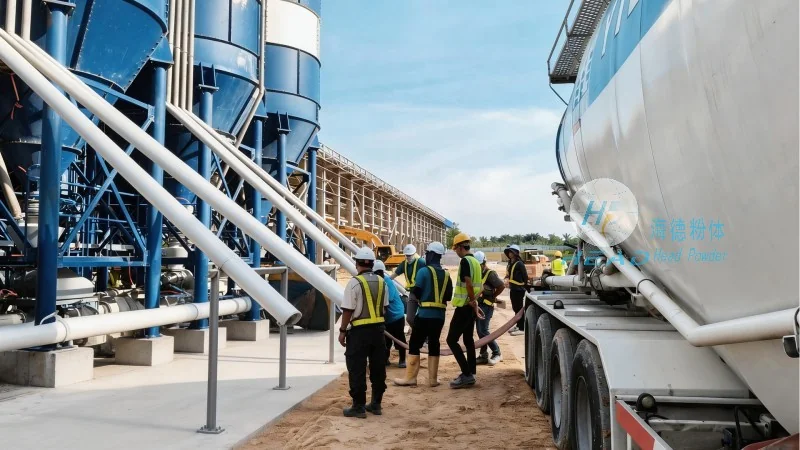
Working Scene Characteristics
The working scene characteristics of PP pellet material handling systems vary based on the specific application and industrial environment. In manufacturing plants, these systems are typically integrated into production lines, where they connect storage silos or bulk containers to extrusion, injection molding, or other processing equipment. The systems are designed to operate in continuous or batch modes, depending on production requirements. For example, in a continuous extrusion line, the system may continuously feed PP pellets to the extruder, while in a batch molding operation, it may deliver a specific quantity of pellets as needed. The working environment may also involve varying temperatures and humidity levels, which the system must withstand without compromising performance. In some cases, the systems are installed in outdoor or semi-outdoor areas, requiring weather-resistant components to protect against rain, wind, or extreme temperatures. Furthermore, the systems are designed to handle different pellet sizes and shapes, ensuring compatibility with various processing equipment and production processes. This flexibility allows the systems to be adapted to different product specifications and manufacturing needs.
Application Examples and Industry Use Cases
PP pellet material handling systems are widely used in industries such as plastic manufacturing, automotive, packaging, and consumer goods. For example, in a plastic extrusion plant, the system may transport PP pellets from a bulk storage tank to an extruder, where they are melted and processed into films, fibers, or other products. The system ensures a consistent and uninterrupted supply of material, which is critical for maintaining production output and product quality. In an injection molding facility, the system delivers PP pellets to molding machines, ensuring that the material is properly fed and processed into finished parts. The systems are also used in recycling plants, where they handle reclaimed PP pellets and transport them to reprocessing equipment. This helps in the circular economy by reducing waste and promoting sustainable manufacturing practices. Each application requires a customized system design to meet specific production needs, including throughput capacity, material handling speed, and integration with existing production lines. The systems are often tailored to handle different pellet sizes, such as standard 2-4 mm pellets or larger granules, and can be adjusted to accommodate changes in production volume or product specifications.

Key Features and Advantages
HeadPowder's PP pellet material handling systems offer several advantages that enhance operational efficiency and product quality. The systems are equipped with advanced control systems that allow for real-time monitoring and adjustment of material flow, ensuring optimal performance. The use of wear-resistant materials, such as stainless steel or special alloys, extends the lifespan of components and reduces maintenance costs. Additionally, the systems are designed for easy integration with existing production infrastructure, minimizing installation time and disruption. The anti-static features help maintain a safe working environment by preventing dust explosions and equipment damage. Overall, these systems contribute to improved productivity, reduced material waste, and enhanced safety in industrial settings. The systems are also designed to be scalable, allowing for future expansion as production needs grow. This flexibility ensures that the investment in the material handling system remains relevant and effective over the long term.




