Understanding the principles and operational characteristics of soybean pneumatic conveying systems is crucial for optimizing material handling in agricultural and food processing industries. This article explores the fundamental mechanisms behind pneumatic conveying technology, focusing specifically on its application in soybean handling, and highlights key working scene characteristics that define its effectiveness and suitability for various industrial settings.

Introduction to Soybean Pneumatic Conveying
Soybean pneumatic conveying systems utilize air as the primary medium to transport soybeans and other bulk materials from one location to another. This method is widely adopted in the agricultural sector due to its efficiency, flexibility, and ability to handle delicate or abrasive materials like soybeans without causing damage. The technology operates by creating a pressure differential or using vacuum to move materials through a pipeline network, making it an ideal solution for both short and long-distance material transport in processing facilities.
Core Principles of Pneumatic Conveying for Soybeans
The fundamental principle of pneumatic conveying involves the use of compressed air or vacuum to generate the force necessary to move soybeans through a system of pipes. There are two primary modes of operation: air-assisted suction (or vacuum) systems and pressure (or blow) systems. In suction systems, a vacuum is created at the material inlet to draw soybeans into the pipeline, while in pressure systems, compressed air is used to push materials forward. For soybeans, which are relatively light and have a moderate density, suction systems are often preferred as they are gentler on the product and require less energy compared to pressure systems.
A key aspect of the conveying process is the design of the system components, including the hopper, feeder, and pipeline. The hopper is designed to store and feed soybeans into the system, while the feeder controls the flow rate to maintain consistent material transport. The pipeline network is typically made of stainless steel or other corrosion-resistant materials to ensure durability and hygiene, which is critical in food processing applications. The system also includes filters and cyclones to separate air from the conveyed material, ensuring that the soybeans remain clean and free from contaminants.
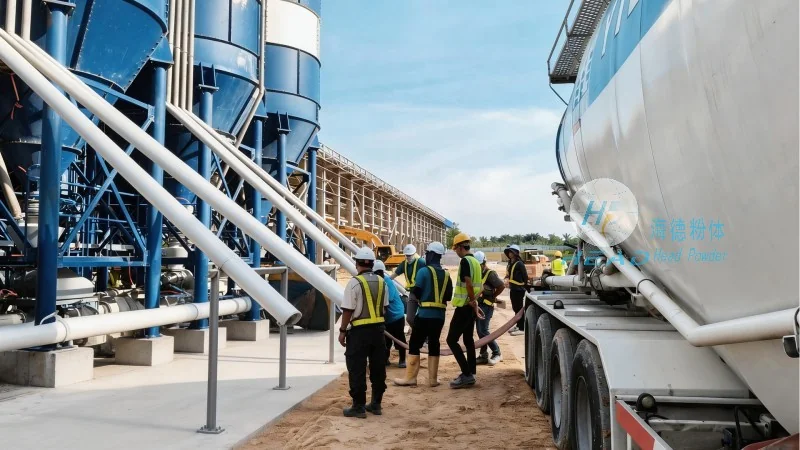
Working Scene Characteristics of Soybean Pneumatic Conveying
The effectiveness of soybean pneumatic conveying is heavily influenced by the working scene characteristics, which include factors such as the distance of material transport, the volume of soybeans being handled, and the specific requirements of the processing facility. For short-distance transport within a processing plant, suction systems are often used due to their lower energy consumption and gentler handling of the product. These systems are particularly suitable for moving soybeans from storage bins to processing equipment like hullers or extractors.
For longer-distance transport, such as moving soybeans from a field or storage facility to a processing plant, pressure systems may be more appropriate. These systems can handle larger volumes and longer distances, making them ideal for bulk material transport in agricultural settings. However, pressure systems require more energy and may be more expensive to install and maintain compared to suction systems.
Another important working scene characteristic is the environmental conditions of the facility. Pneumatic conveying systems are well-suited for indoor applications where dust and air quality are controlled, as they help minimize dust exposure and maintain a clean working environment. This is particularly beneficial in food processing facilities where hygiene standards are stringent. The systems can also be integrated with other processing equipment, such as cleaning or drying units, to create a seamless material handling workflow.
Application Examples and Industry Impact
Soybean pneumatic conveying is widely used in various stages of soybean processing, from initial handling and storage to final product packaging. For example, in a soybean processing plant, the system can be used to transport raw soybeans from a storage silo to a cleaning machine, where they are washed and sorted before being sent to a hulling unit. The conveying system ensures that the soybeans are moved efficiently and without damage, which is essential for maintaining product quality.

In the food processing industry, pneumatic conveying is also used to transport soybean products like soy flour or soy protein isolates. These products are often more delicate and require gentler handling, making suction systems the preferred choice. The system can be integrated with packaging equipment to move finished products from the processing line to the packaging area, ensuring a smooth and continuous production process.
The working scene characteristics of pneumatic conveying systems also impact their scalability and adaptability. Companies like Shandong HeadPowder Engineering Co., Ltd., a leading manufacturer of pneumatic conveying equipment, offer customized solutions tailored to the specific needs of their clients. These solutions can be designed to handle varying volumes of soybeans, accommodate different pipeline lengths, and integrate with existing processing equipment, ensuring optimal performance and efficiency.
Conclusion and Future Trends
Soybean pneumatic conveying systems represent a sophisticated and efficient method for handling bulk materials in the agricultural and food processing industries. By understanding the core principles of pneumatic conveying and the working scene characteristics that influence its performance, businesses can optimize their material handling processes, reduce operational costs, and maintain product quality. As technology advances, the integration of automation and control systems in pneumatic conveying equipment will further enhance its efficiency and adaptability, making it an increasingly important component of modern industrial operations.




