HeadPowder, a leading manufacturer based in Shandong, China, specializes in the design, production, and supply of advanced powder and flour conveying systems. This article provides an in-depth exploration of the working principles and key characteristics of such systems, highlighting their importance in modern industrial applications.

Understanding the Core Working Principles of Powder and Flour Conveying
Powder and flour material handling systems are engineered to efficiently transport bulk powders and flour products from one location to another within industrial settings. The fundamental working principle revolves around the use of mechanical components that can handle the unique properties of these materials, such as their fine particle size, flowability, and potential for dust generation. These systems typically incorporate elements like hoppers, feeders, conveyors, and control mechanisms to ensure smooth and controlled movement of the material.
The process begins with the material being fed into a hopper, where it is stored and prepared for transport. From there, a feeder, often a screw or rotary type, regulates the flow of material into the conveyor system. The conveyor itself, which may be a belt, screw, or pneumatic type, then transports the material to the desired destination. Control systems, including sensors and automation, ensure that the process operates safely and efficiently, adjusting parameters like speed and pressure as needed to maintain optimal performance.

Key Features of Modern Powder and Flour Conveying Systems
Modern powder and flour conveying systems are characterized by several advanced features that enhance their performance and reliability. One of the most significant features is the ability to handle a wide range of material types, from fine powders to coarse flour, with consistent efficiency. This versatility is achieved through adjustable components, such as variable-speed feeders and customizable conveyor designs, allowing the system to adapt to different material characteristics.
Another critical feature is the emphasis on dust control and safety. Due to the fine nature of powders and flour, these systems are equipped with dust collection and filtration systems to prevent airborne contamination and ensure a safe working environment. Additionally, many modern systems incorporate closed-loop designs, minimizing the risk of material spillage and environmental impact.
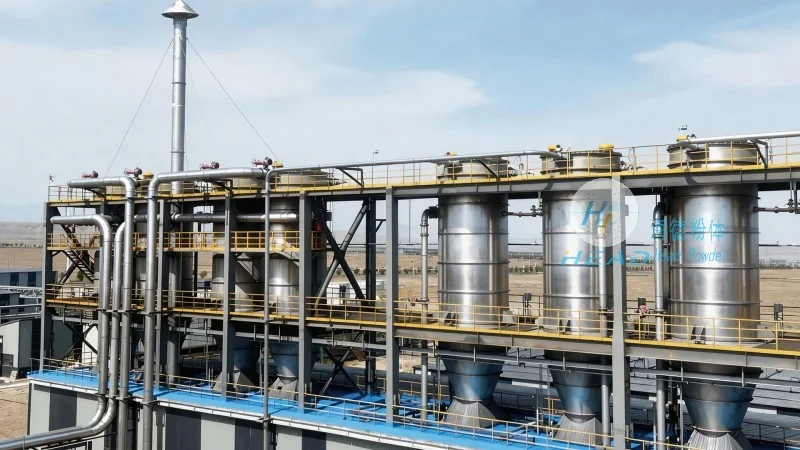
Efficiency and energy savings are also key considerations. Advanced systems utilize energy-efficient motors and optimized conveyor designs to reduce operational costs while maintaining high throughput. Furthermore, the integration of smart control technologies, such as PLC (Programmable Logic Controller) systems, allows for real-time monitoring and adjustment of the conveying process, improving overall operational efficiency.
Applications and Benefits in Industrial Settings
Powder and flour conveying systems are widely used across various industries, including food processing, pharmaceuticals, chemicals, and agriculture. In the food industry, for example, these systems are essential for transporting flour, sugar, and other ingredients in bakeries and flour mills. The ability to handle these materials hygienically and maintain product quality is a major benefit. In pharmaceutical applications, the systems ensure that powders are handled in a sterile and controlled manner, preventing contamination and ensuring product safety.

The benefits of these systems extend beyond individual applications. They contribute to improved productivity by reducing manual handling and increasing the speed of material transport. Additionally, they enhance safety by minimizing the risk of dust explosions and material spills, which are common hazards in bulk material handling operations. The reliability of modern systems also reduces downtime, as advanced control systems can detect and address issues promptly, ensuring continuous operation.
Conclusion and Company Overview
HeadPowder Engineering Co., Ltd., with its headquarters in Shandong, China, is a trusted provider of high-quality powder and flour conveying systems. The company's commitment to innovation and customer satisfaction has made it a leader in the industry, offering solutions tailored to the specific needs of various applications. By understanding the working principles and features of these systems, industries can make informed decisions to enhance their operational efficiency and safety.




