Fluorspar, also known as fluorite, is a mineral primarily composed of calcium fluoride (CaF₂), and it plays a vital role in various industrial processes including steelmaking, chemical production, and as a flux in smelting operations. The efficient handling and transportation of fluorspar powder are essential for maintaining production efficiency and ensuring product quality. A fluorspar powder material handling conveyor is a specialized system engineered to transport fluorspar powder in bulk from storage or processing areas to subsequent production stages. This article explores the fundamentals of such a conveyor system and the key design principles that govern its operation.

Understanding the Fluorspar Powder Material Handling Conveyor
A fluorspar powder material handling conveyor is a mechanical system designed to move fine, dry fluorspar powder. Unlike conventional conveyors for solid or liquid materials, this type is specifically optimized to manage powders that are prone to issues like dust generation, caking, and material degradation if not handled correctly. The system typically comprises components including hoppers, feeders, conveyor mechanisms, and control systems to ensure smooth and controlled material flow.
Key Components of the Fluorspar Powder Conveyor System
The effectiveness of a fluorspar powder material handling conveyor hinges on its integrated components, each serving a specific function in the material transport process. The primary components include:
1. Hoppers and Storage Bins: These are used to store raw fluorspar powder before it enters the conveyor system. Proper hopper design is critical to prevent material bridging or arching, which can disrupt flow. Often equipped with agitators or vibrators, hoppers break up caked material to ensure consistent feed rates.
2. Feeders: Feeders regulate the flow of fluorspar powder from hoppers into the conveyor. Common types include rotary valves, vibratory feeders, and screw feeders. The selection depends on material properties like flowability and particle size. For fluorspar powder, a feeder that handles fine particles without excessive wear is essential.
3. Conveyor Mechanism: The conveyor itself is the core of the system. Screw conveyors are commonly used due to their ability to handle dry, fine powders without additional lubrication or sealing. The screw design (single or double flight) is optimized for the material's characteristics, with pitch and diameter tailored to the powder's properties. Alternatively, belt conveyors with special coatings or liners may be used to prevent buildup and ensure smooth movement.

4. Control Systems: Modern fluorspar powder conveyors feature advanced control systems that monitor and adjust flow rate, pressure, and temperature. Sensors detect material levels, blockages, or flow variations, enabling real-time adjustments for optimal performance. This automation enhances efficiency and reduces risks of material loss or contamination.
Design Principles for Optimal Performance
The design of a fluorspar powder material handling conveyor follows several key principles tailored to the material's unique properties, such as fine particle size, low bulk density, and dust generation potential.
1. Adequate Flow and Uniformity: The system is engineered to maintain consistent and uniform flow. This is achieved through proper hopper design, feeder selection, and conveyor speed control. Uniform flow prevents overloading and reduces the risk of material degradation or clogging.
2. Prevention of Material Degradation: Fluorspar powder is sensitive to moisture and temperature changes, which can affect quality. The system minimizes exposure to these factors. Enclosed conveyor sections and proper sealing prevent moisture ingress, while temperature control systems maintain optimal conditions.
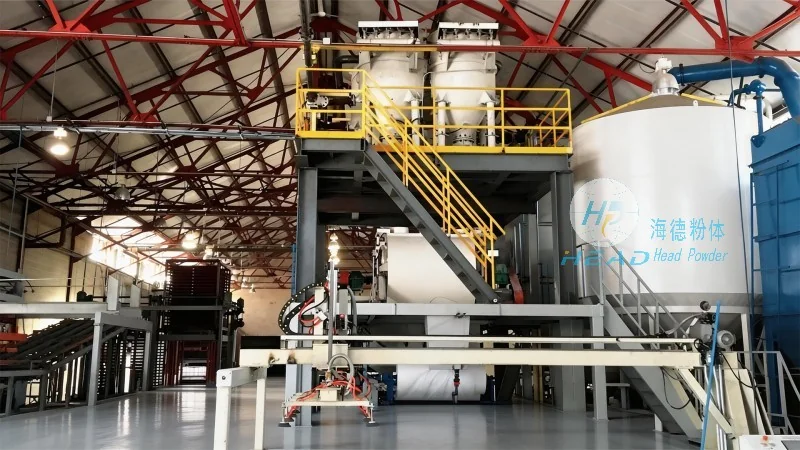
3. Minimization of Dust and Contamination: Dust generation is a significant concern. The system incorporates dust collection and filtration to capture airborne particles, ensuring a clean environment and preventing product contamination. Smooth surfaces and sealed joints reduce dust accumulation.
4. Efficient Energy Use: The conveyor system is designed for energy efficiency, with components selected to minimize power consumption while maintaining performance. This includes high-efficiency motors, optimized conveyor speeds based on load, and energy-saving control strategies.
Applications and Benefits of Fluorspar Powder Conveyors
Fluorspar powder material handling conveyors are widely used in industries relying on fluorspar as a raw material, such as the chemical industry (for hydrofluoric acid production) and steel industry (as a flux in smelting). The benefits include improved production efficiency, reduced labor costs, and enhanced product quality.
By ensuring continuous and controlled flow of fluorspar powder, the conveyor system minimizes downtime and reduces material loss. This leads to higher overall productivity and lower operational costs. The system's design allows for seamless integration with other production equipment, creating a cohesive material handling process.
Conclusion
A fluorspar powder material handling conveyor is a specialized and essential component in industries that utilize fluorspar as a raw material. Its design, incorporating components and principles tailored to the material's properties, ensures efficient and reliable transportation. The system's ability to handle fine powders while minimizing dust, degradation, and energy consumption makes it a valuable asset for any production facility. For companies seeking such equipment, understanding the design principles and components is crucial for selecting a system that meets specific operational requirements.




