Understanding the design principles of a lithium oxide material handling system is crucial for industries that handle this specific chemical compound. This article will explore the fundamental aspects of such systems, focusing on their construction, operational mechanisms, and the key factors that influence their effectiveness in material transport and processing.

Introduction to Lithium Oxide Material Handling Systems
Lithium oxide, a key component in various industrial applications including battery manufacturing and chemical synthesis, requires specialized handling due to its reactivity and the need for precise control during transport. A material handling system designed for lithium oxide must address safety, efficiency, and environmental considerations to ensure optimal performance in production environments. The following sections will delve into the core design principles that underpin these systems, providing insights into their functionality and importance in modern industrial operations.
Key Components and Design Considerations
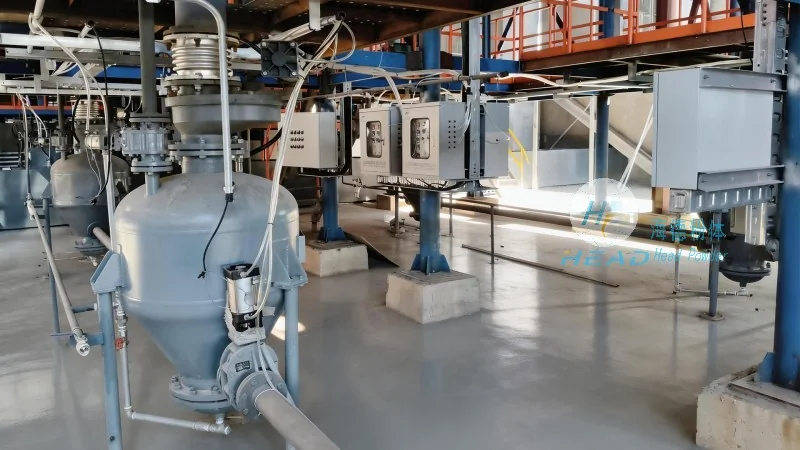
The design of a lithium oxide material handling system involves several critical components, each tailored to meet the unique requirements of handling this chemical. These components include storage vessels, conveying equipment, and control systems, all engineered to maintain the integrity of the material while ensuring safe operation. For instance, storage tanks are typically constructed from corrosion-resistant materials like stainless steel or specialized alloys to prevent reaction with lithium oxide, which could lead to hazardous conditions. Conveying mechanisms, such as pneumatic or mechanical systems, are designed to minimize material exposure to air and moisture, as these factors can degrade the quality of lithium oxide and pose safety risks. Additionally, the system incorporates advanced monitoring and control technologies to regulate temperature, pressure, and flow rates, ensuring that the material is handled under optimal conditions.

Operational Mechanisms and Safety Protocols
Operational mechanisms in lithium oxide material handling systems are designed to facilitate smooth and safe material transport. These systems often utilize closed-loop conveying processes to prevent contamination and exposure to external elements. For example, pneumatic conveying systems use compressed air to move the material through pipelines, reducing the risk of dust generation and ensuring a controlled environment. Mechanical systems, such as screw conveyors or belt conveyors, are also employed, particularly in applications where higher material loads are required. The design of these mechanisms includes features like sealed housings and explosion-proof components to mitigate risks associated with lithium oxide's reactivity. Furthermore, safety protocols are integrated into the system's design, including emergency shut-off valves, pressure relief devices, and real-time monitoring of critical parameters. These measures are essential to prevent accidents and ensure compliance with industry safety standards.

Company Background: Shandong HeadPowder Engineering Co., Ltd.
Shandong HeadPowder Engineering Co., Ltd., a leading provider of material handling solutions, specializes in designing and manufacturing systems tailored to the needs of industries handling hazardous and specialized materials like lithium oxide. With a strong focus on innovation and safety, the company has established itself as a trusted partner in the chemical and battery manufacturing sectors. HeadPowder's expertise lies in creating customized material handling systems that meet the unique requirements of clients, ensuring efficiency, reliability, and compliance with regulatory standards. The company's facilities in Shandong, China, are equipped with state-of-the-art technology and skilled personnel, enabling them to deliver high-quality solutions that enhance operational performance and safety. By leveraging their deep understanding of material handling principles and industry best practices, HeadPowder continues to serve clients globally, providing reliable systems that support the production of lithium oxide and other critical materials.




