When discussing industrial material handling systems, especially those dealing with fine powders like silica fume, the concept of a dedicated powder conveying line becomes crucial. This equipment is designed to efficiently transport silica fume, a byproduct of the silicon and steel industries, from storage to processing or application points. Understanding the components and design principles of such a system is essential for optimizing material flow, ensuring safety, and maintaining operational efficiency.

Introduction to Silica Fume Powder Conveying Lines
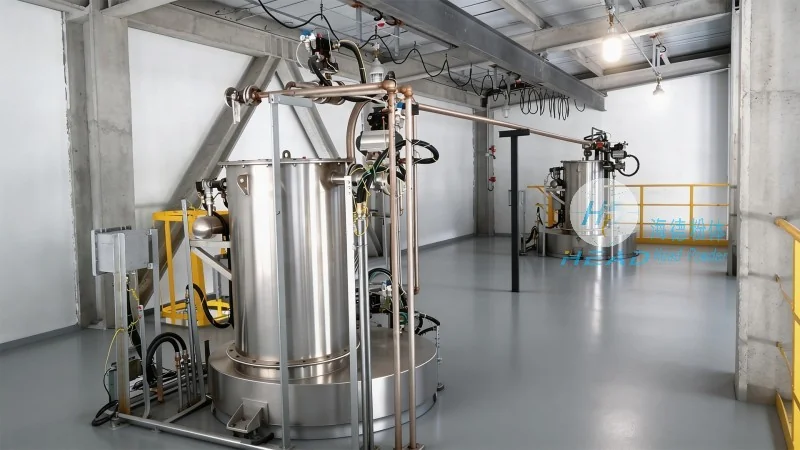
A silica fume powder conveying line is a specialized system engineered to handle the transportation of silica fume, a fine, highly reactive powder. This material is widely used in concrete production to enhance strength and durability. The conveying line typically consists of several key components, including hoppers for material storage, feeding mechanisms, conveying equipment (such as pneumatic or mechanical systems), and control systems. The primary goal is to move the silica fume from its storage location to the point of use, such as a concrete batching plant or a mixing facility, with minimal loss and maximum efficiency.

Key Components of a Silica Fume Powder Conveying Line
The design of a silica fume powder conveying line involves integrating various components that work in harmony to ensure smooth material flow. The first component is the storage hopper, which is usually equipped with a lid and a discharge valve to control the release of the material. This hopper is designed to prevent dust accumulation and maintain material integrity. Next, the feeding mechanism, often a rotary valve or a screw feeder, regulates the flow of silica fume from the hopper into the conveying system. The conveying equipment, which can be pneumatic (using air pressure to move the powder) or mechanical (such as a belt or screw conveyor), is selected based on the specific characteristics of the silica fume, including its particle size, moisture content, and flowability. Finally, the control system monitors and adjusts the operation of the entire line, ensuring that the conveying rate matches the demand and that safety protocols are followed.

Design Principles for Efficient Material Handling
The design principles of a silica fume powder conveying line are centered on maximizing efficiency, safety, and reliability. One of the core principles is to minimize material degradation and dust generation during transportation. This is achieved through the use of enclosed systems, proper sealing of components, and the selection of appropriate conveying methods. For example, pneumatic conveying systems are often preferred for fine powders like silica fume because they can handle high volumes and maintain a consistent flow without the need for mechanical contact with the material. Another key principle is to ensure that the system can handle the specific properties of silica fume, such as its high reactivity and potential for caking. This may involve incorporating features like vibration systems or anti-caking agents to prevent blockages and ensure smooth operation.
Operational Considerations and Maintenance
Operational considerations are critical for the long-term performance of a silica fume powder conveying line. Regular maintenance is essential to prevent equipment failure and ensure consistent performance. This includes cleaning the hopper and conveying lines to remove accumulated material, checking for wear and tear on components like bearings and seals, and verifying the functionality of the control system. Additionally, operators should be trained to monitor the system for signs of inefficiency, such as increased pressure drops or reduced conveying rates, and to take corrective action promptly. Proper maintenance not only extends the lifespan of the equipment but also ensures that the silica fume is conveyed safely and efficiently, reducing the risk of accidents and material loss.
Conclusion
In summary, a silica fume powder conveying line is a sophisticated system designed to handle the transportation of this essential industrial material. The design principles, components, and operational considerations all work together to ensure that the material is moved safely, efficiently, and with minimal loss. By understanding these aspects, industries can optimize their material handling processes and improve overall productivity. The expertise of companies like Shandong HeadPowder Engineering Co., Ltd. plays a vital role in designing and implementing such systems, ensuring that they meet the specific needs of their clients and adhere to industry standards.




